


























Salalah is a city in southern Oman that has become increasingly popular as both a tourist destination and a freehold property market for foreign investors. Set apart from the rest of Oman by its unique subtropical climate — average temperatures of 25 to 30°C year-round, and a genuinely lush, green landscape during the annual Khareef monsoon season from June to September — Salalah offers a fundamentally different proposition from Muscat’s desert coastline, drawing visitors escaping the searing summer heat found across most of the Gulf.
Salalah: A Promising Investment Destination
Independent tourism data compiled by the Wikipedia entry on Salalah confirms the scale of the Khareef-season visitor surge that underpins much of the promising investment destination case made throughout this guide.
What Draws Visitors to Salalah
- Beautiful beaches — including Al Mughsail Beach, known for its white sand and clear waters, alongside numerous other coastal stretches along the Dhofar coastline.
- Historic sites — including the ruins of the ancient city of Sumhuram, a UNESCO-recognised frankincense trade site reflecting the region’s centuries-old trading heritage.
- Natural attractions — the Dhofar Mountains and surrounding desert landscape offer genuine outdoor exploration beyond the coastal resort experience.
- The Khareef monsoon — a genuinely unique climatic phenomenon in the Arabian Peninsula, transforming Salalah’s hillsides into lush greenery each summer, drawing significant regional tourism specifically for this period.
Tourism to Salalah has grown consistently in recent years, with visitor numbers increasing at a steady pace and the government continuing to invest in the infrastructure supporting this growth as part of Oman’s broader Vision 2040 tourism diversification strategy.
Investment Opportunities Beyond Real Estate
This sustained tourism growth is creating investment opportunities well beyond property itself. There is genuine demand for hotel development, particularly during the Khareef season when occupancy surges; for restaurants catering to a growing, increasingly international visitor base; and for tour operators helping visitors plan Khareef-season activities, historic site visits, and outdoor excursions into the Dhofar Mountains. Investors approaching Salalah purely through the lens of residential property may be missing the broader tourism-services opportunity the region’s growth is creating.
Hawana Salalah and the Freehold Resort Model
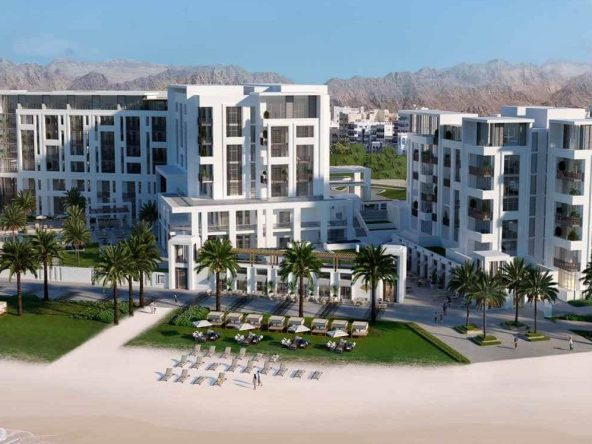
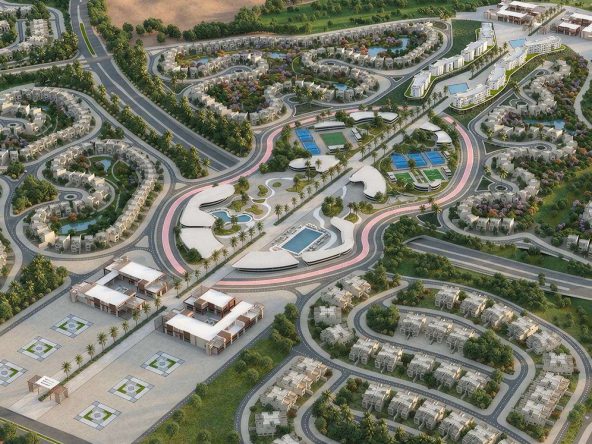
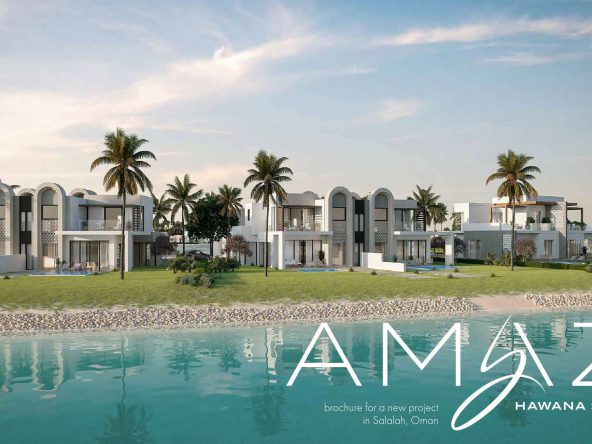
Several major resort developments are underway or established in the Salalah region, undertaken by reputable international developers with genuine track records and government backing. The most prominent of these, Hawana Salalah, is often described as a “healthier” version of Egypt’s Red Sea resort model — resembling an upgraded version of El Gouna, built by the same developer, Orascom, but commanding meaningfully higher prices than comparable Egyptian coastal property. The development is built around protected coves with breakwaters, keeping the sea genuinely swimmable through summer months while avoiding the infrastructure strain seen in less-planned coastal developments.
Rental Yields in Salalah
| Purchase Timing | Indicative Gross Yield |
|---|---|
| Current market entry | 8–10% |
| Units purchased several years ago | Up to 12% |
These figures place Salalah among the stronger yield markets within Oman’s broader freehold sector — a reflection of the resort model’s strong holiday-letting demand relative to its still-developing purchase price base, though as with any yield figure, current rates should always be confirmed against the specific unit and development rather than treated as a market-wide guarantee.
An Unexpected Buyer Profile: Eastern European Tourism
One of the more notable trends in Salalah’s tourism base is its popularity with visitors from Eastern Europe — Slovaks, Poles, Czechs and others — alongside the more expected Gulf regional visitor base. This appears to reflect concerted marketing efforts by Eastern European tour operators combined with word-of-mouth growth, and represents a genuinely different demand driver than what dominates Muscat’s tourism and rental market. As with many resort destinations globally, this pattern often evolves over time from a “first-time visitor” tourism stage toward a “returning visitor becomes property buyer” stage, which has meaningful implications for anyone evaluating Salalah’s medium-term rental and resale demand growth.
Salalah vs. Muscat: A Genuinely Different Investment Case
Investors weighing Salalah against Muscat should understand these are fundamentally different investment theses. Muscat offers broader, more consistent year-round demand tied to business activity, government presence and a larger resident population. Salalah offers a more seasonal, resort-driven demand pattern anchored heavily around the Khareef monsoon period, with correspondingly higher peak-season yields but more pronounced seasonality across the rest of the year. Neither is inherently superior — the right choice depends on whether an investor is optimising for steady, diversified demand or higher-yield, more seasonal resort income. For a detailed comparison of these two markets, see our guide to Muscat vs Salalah real estate investment.
Practical Considerations for Foreign Buyers
As with all of Oman’s freehold market, foreign ownership in Salalah is restricted to designated ITC developments — Hawana Salalah being the primary example — rather than the wider city. Buyers should verify freehold status directly through Oman’s Ministry of Housing and Urban Planning before committing, exactly as they would for a Muscat purchase, and should factor in Salalah’s more pronounced seasonality when modelling realistic rental income rather than assuming Muscat-style, year-round occupancy.
Frequently Asked Questions
Can foreigners buy property in Salalah?
Yes, within designated ITC developments such as Hawana Salalah, following the same freehold ownership framework that applies across Oman’s approved zones.
What is the Khareef season and why does it matter for investors?
The Khareef is Salalah’s annual monsoon season, running roughly June to September, which transforms the region into a lush green landscape and drives a significant surge in tourism and short-term rental demand.
Are Salalah’s rental yields genuinely higher than Muscat’s?
Peak-season yields in established resort developments like Hawana Salalah can run higher than typical Muscat yields, though Salalah’s demand is more seasonal overall, which should factor into any full-year income projection.
Who develops Salalah’s main freehold resort communities?
Hawana Salalah is developed by Orascom Development, the same group behind Egypt’s El Gouna resort, bringing a proven resort-development track record to the Omani market.
Understanding the Khareef Economy in Detail
The Khareef season is worth understanding in more depth than a simple “it rains and gets green” description, because its economic impact on Salalah’s property and tourism market is substantial. During the roughly three-month monsoon window, Salalah transforms from an arid coastal city into a landscape of waterfalls, mist-covered mountains and genuinely lush greenery — a climatic anomaly found nowhere else on the Arabian Peninsula. This uniqueness drives a concentrated surge in regional tourism, primarily from Gulf visitors seeking relief from extreme summer heat elsewhere in the region, and increasingly from international visitors specifically timing trips around this window. For property owners with units in resort developments like Hawana Salalah, this translates directly into concentrated peak-season rental demand and correspondingly higher achievable nightly rates during Khareef months, which is the primary driver behind the elevated yield figures the market has historically delivered.
Outside the Khareef window, demand moderates considerably, driven more by Gulf weekend visitors, business travel, and a smaller but growing base of long-term expatriate residents. Investors should model realistic full-year occupancy and rate assumptions that account for this seasonality explicitly, rather than annualising Khareef-season performance across the full twelve months, which would meaningfully overstate expected returns.
Salalah’s Broader Economic Context
Beyond tourism, Salalah serves as the administrative capital of Oman’s Dhofar Governorate and hosts the Port of Salalah, one of the largest container transhipment ports in the Middle East — a genuinely significant piece of regional shipping infrastructure that brings its own base of business travel and logistics-sector employment to the city, supplementing the tourism-driven demand that dominates most discussions of the local property market. This dual economic base — tourism plus logistics — gives Salalah a somewhat more diversified demand profile than a market relying purely on seasonal tourism, even though the resort and freehold property narrative tends to dominate how the city is marketed to foreign investors.
Comparing Hawana Salalah to Other Omani Freehold Zones
| Development | Demand Driver | Seasonality |
|---|---|---|
| Hawana Salalah | Resort tourism, Khareef season | High |
| Al Mouj Muscat | Business, long-term expat residents | Low |
| Jebel Sifah | Mixed resort and residential | Moderate |
Who Should Consider Investing in Salalah
Salalah tends to suit a specific investor profile best: those comfortable with a higher-yield but more seasonal income pattern, drawn to the genuine differentiation of the Khareef phenomenon as a marketing and demand driver, and often those already familiar with — or specifically interested in — the Orascom/El Gouna resort development model from other markets. It’s a weaker fit for investors prioritising steady, predictable year-round occupancy, who are generally better served by Muscat’s business-driven freehold zones. Understanding which category you fall into before purchasing is more important in Salalah’s market than in most of Oman’s other freehold zones, precisely because the seasonality is so pronounced.
Development Track Record and Buyer Confidence
Orascom Development’s involvement in Hawana Salalah brings a genuinely relevant track record to the Omani market — the same developer built and continues to operate El Gouna, one of the Red Sea’s most established and longest-running resort communities, giving foreign buyers a real, checkable reference point for how the developer manages long-term community operations rather than just initial construction. This is a meaningful differentiator from newer or less-established developers elsewhere in the region, and worth factoring into any comparison between Salalah and other emerging Gulf resort markets with less proven developer backing.
Costs and Fees for Buying in Salalah
The costs of purchasing freehold property in Salalah mirror the rest of Oman’s freehold market: a one-time 3% property transfer fee, roughly 1–2% in legal and registration costs, and no annual property tax or capital gains tax. Buyers should also budget for the ongoing service charges that fund resort-community upkeep — landscaping, security, shared pools and amenity maintenance — which tend to run comparably to or slightly above equivalent charges in Muscat’s freehold zones, given the resort-level amenity provision that developments like Hawana Salalah maintain year-round regardless of seasonal occupancy swings.
Golden Residency Eligibility Through Salalah Property
Qualifying property purchases in Salalah’s freehold zones count toward Oman’s Golden Residency threshold in exactly the same way as a Muscat purchase, provided the property meets the OMR 200,000 investment value and sits within a confirmed ITC. For investors specifically motivated by residency rather than pure yield, this means Salalah is a genuine alternative to Muscat for meeting the threshold, worth considering particularly for those specifically drawn to the resort lifestyle and Khareef season rather than city living. See our full Oman Golden Visa guide for the complete eligibility and application process.
How to Evaluate a Specific Salalah Property
- Request actual occupancy and rate data broken down by Khareef versus non-Khareef months, not just an annualised average.
- Confirm the specific unit’s proximity to the protected cove or beach access, since this affects both rental appeal and resale value meaningfully within the same development.
- Check the developer’s history of delivering and operating similar phases, particularly for any newer expansion phases still under construction.
- Compare service charges against Muscat equivalents to understand true net yield after ongoing costs, not just the gross figure quoted in marketing materials.
The Long-Term Case for Salalah
Beyond the current yield and seasonality picture, Salalah’s long-term case rests on Oman’s continued tourism diversification investment, the Port of Salalah’s ongoing importance as regional shipping infrastructure, and the simple fact that the Khareef phenomenon is a genuinely unique, non-replicable draw within the wider Gulf region — a differentiator that newer, less climatically distinctive resort developments elsewhere cannot easily compete with. Investors taking a multi-year view should weigh this long-term differentiation alongside the current yield figures, since a unique, non-commoditised tourism draw tends to be a more durable demand driver than pricing or amenities alone.
Key Takeaways
- Salalah offers a genuinely different investment case from Muscat — resort-driven, higher peak-season yield, more pronounced seasonality.
- Hawana Salalah, developed by Orascom (the team behind Egypt’s El Gouna), is the primary freehold community in the region.
- Current market yields run 8–10%, with some longer-held units reporting up to 12%.
- The Khareef monsoon season (June–September) is the primary demand driver and should anchor any realistic income projection.
- Qualifying purchases carry the same Golden Residency eligibility as Muscat property.
Financing a Salalah Property Purchase
Foreign buyers can access mortgage financing from Omani banks for qualifying Salalah freehold property in largely the same way as a Muscat purchase, though lenders sometimes apply somewhat more conservative loan-to-value ratios to resort-model properties given their more seasonal income profile compared to Muscat’s steadier residential and business-driven demand. Buyers planning to finance rather than purchase in cash should discuss this specifically with prospective lenders early, since the seasonality factor can affect both approval terms and the specific loan-to-value ratio offered, more so than it typically would for an equivalent Muscat purchase.
Access and Connectivity to Salalah
Salalah is served by its own international airport, Salalah Airport, with direct connections to Muscat and a growing number of regional and international routes, particularly expanded during the Khareef season to accommodate the seasonal surge in visitor numbers. This dedicated air connectivity is a meaningful factor for both personal use and rental appeal, since it means visitors — whether owners or tenants — don’t need to route through Muscat first, a genuine convenience factor that supports the city’s tourism and property market independent of the capital’s own infrastructure.
Comparing Salalah to Other Seasonal Resort Markets Globally
Investors familiar with other seasonally-driven resort property markets — Mediterranean coastal towns, ski resort communities, or other monsoon-affected tourism destinations — will recognise the general investment logic that applies to Salalah: concentrated peak-season demand drives higher achievable rates during that window, offset by softer shoulder and off-season performance the rest of the year. What differentiates Salalah from many of these comparable markets is the sheer uniqueness of its climatic draw within its own region — there is no comparable monsoon-driven greenery phenomenon anywhere else on the Arabian Peninsula, which gives Salalah a structural demand advantage that’s harder to replicate or compete away than a purely amenity-driven resort destination would have.
A Realistic Investor Timeline
Foreign buyers considering Salalah should budget a similar purchase timeline to a Muscat transaction — roughly 6 to 10 weeks from property selection to title registration for a completed unit, longer for any off-plan phases still under construction. Given the market’s more concentrated Khareef-season demand pattern, some investors specifically time their purchase completion to have the property ready and rental-listed before the following Khareef season begins, maximising the first full peak season of rental income rather than missing it due to a late-cycle purchase and handover.
Common Questions From First-Time Salalah Investors
Is Salalah riskier than Muscat as an investment? Not inherently riskier, but structurally different — Salalah’s concentrated seasonality means income is less evenly distributed across the year, which is a different risk profile than Muscat’s steadier demand, not necessarily a worse one.
Can I use a Salalah property personally during the Khareef season and rent it out otherwise? Yes, many owners follow exactly this pattern, enjoying the property during the peak season personally or with family, then listing it for rental during other periods — though this reduces the property’s peak-season rental income compared to renting it out during Khareef itself.
Does Hawana Salalah have the same amenity level as Al Mouj Muscat? The two developments serve different purposes — Hawana Salalah is built specifically around resort and holiday-home amenities, while Al Mouj balances resort features with genuine year-round residential infrastructure like schools and everyday retail.
Community Life Outside the Khareef Season
While the Khareef season understandably dominates most discussions of Salalah, owners and residents who spend time there year-round often highlight the quieter months as genuinely appealing in their own right — warm, dry weather comparable to much of the rest of Oman, significantly lower visitor density than during peak season, and a more relaxed pace to daily life around the resort’s amenities. For buyers considering personal use alongside rental income, understanding this fuller picture of Salalah — not just its headline monsoon season — helps set realistic expectations for what owning and spending time in the region actually looks like across a full year rather than a single three-month window.
Learn More From Official Sources
For current, authoritative information on Salalah’s tourism development strategy and Khareef season planning, the Ministry of Heritage and Tourism publishes seasonal visitor guidance, while any specific property’s freehold and ITC status should be independently verified through the Ministry of Housing and Urban Planning before committing to a purchase.
Get in Touch
Salalah offers a genuinely distinctive investment case within Oman’s broader freehold market — resort-driven, seasonally strong, and increasingly popular with an international visitor base. Contact UInvest to explore current opportunities in Salalah’s freehold developments and compare them against Muscat’s steadier, business-driven market.
Salalah Tourism Numbers Investors Should Know
Salalah’s investment case rests heavily on the annual Khareef season, and the numbers behind it explain why short-term rental yields in the city outperform many other Omani markets during the June-to-September window.
| Metric | Approximate Figure |
|---|---|
| Khareef season length | Mid-June to mid-September (~90 days) |
| Peak-season visitor influx | Hundreds of thousands, mostly GCC nationals |
| Off-season temperature swing | Khareef ~25°C vs. summer elsewhere in Oman 40°C+ |
| Short-term rental yield uplift (Khareef vs. annual average) | Significantly above baseline during peak weeks |
The draw is straightforward: while the rest of the Arabian Peninsula bakes through summer heat, the monsoon-fed Dhofar mountains around Salalah turn green, waterfalls run, and temperatures drop to a level few other Gulf destinations can offer in July and August. This seasonal inversion is what pulls GCC tourists — particularly from Saudi Arabia, the UAE, and Kuwait — to Salalah in numbers that dwarf the city’s off-season tourism base, and it is the single biggest driver behind the short-term rental economics that make Salalah property attractive to income-focused investors.
Balancing Seasonal and Year-Round Rental Strategy
The practical challenge for any Salalah investor is that Khareef-driven demand is concentrated into roughly a quarter of the calendar year, which means a purchase decision should account for how the property performs during the other nine months. Properties positioned for the long-term expat and diplomatic rental market — typically apartments and villas closer to the city center and Salalah’s port and logistics zone — tend to deliver steadier, if less spectacular, year-round occupancy. Properties positioned purely for Khareef tourism, such as villas near the mountain resorts or coastal areas popular with seasonal visitors, can command premium nightly rates during the season but require an active short-term rental strategy (and often professional property management) to avoid long vacancy stretches the rest of the year.
Many successful Salalah investors run a hybrid model: long-term lease during the low season to a resident tenant, with a break clause or seasonal lease structure that allows the property to convert to short-term Khareef rental at the point where nightly rates justify the switch. This approach smooths cash flow while still capturing the seasonal premium, and it mirrors strategies used successfully in other monsoon and ski-season-driven tourism markets globally.
Salalah’s Broader Economic Role Within Oman
Beyond tourism, Salalah anchors Dhofar Governorate’s role as Oman’s second major economic pole after Muscat, built primarily around the Port of Salalah — one of the busiest transshipment container ports in the Indian Ocean region — and the Salalah Free Zone, which has attracted manufacturing and logistics investment adjacent to the port. This creates a second, less seasonal driver of rental demand: the corporate and skilled-labor population working in shipping, logistics, and free zone industries year-round, independent of the tourism cycle. For investors who want Salalah exposure without relying solely on Khareef timing, properties that appeal to this professional workforce — well-located apartments with reliable amenities rather than resort-style villas — offer a complementary demand base. This dual economy, tourism plus trade infrastructure, is part of why Salalah continues to feature in Oman’s Vision 2040 diversification priorities alongside Muscat’s more diversified capital-city market.