



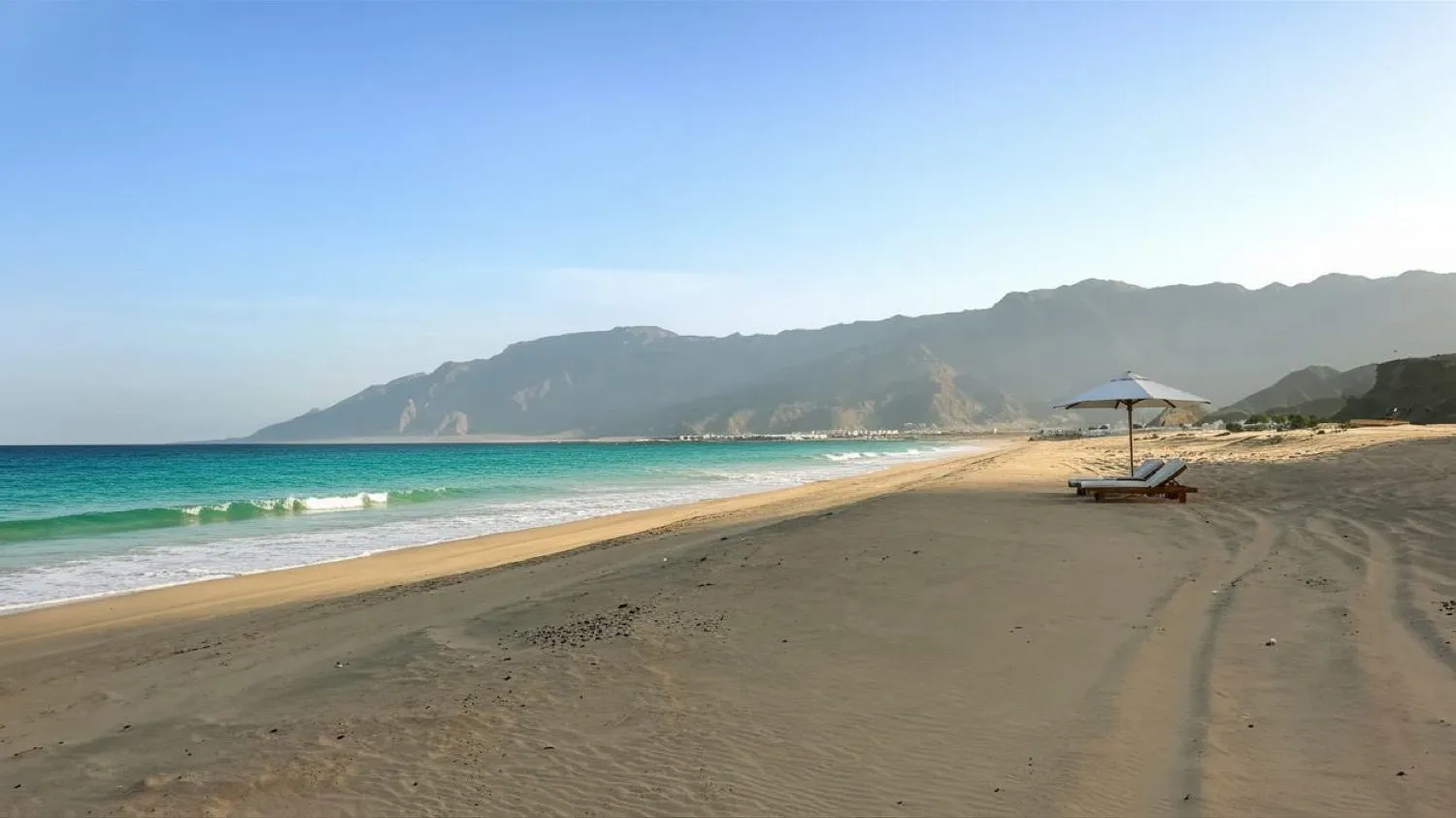
Beach houses for sale in Oman: every coastal project available now
All thirteen projects we represent that sit on the Omani coast — on the sand, on a saltwater lagoon, inside a private bay or a short walk from a resort shoreline. Prices are live, and where a project’s tenure is not straightforward we say so on this page rather than in the small print.
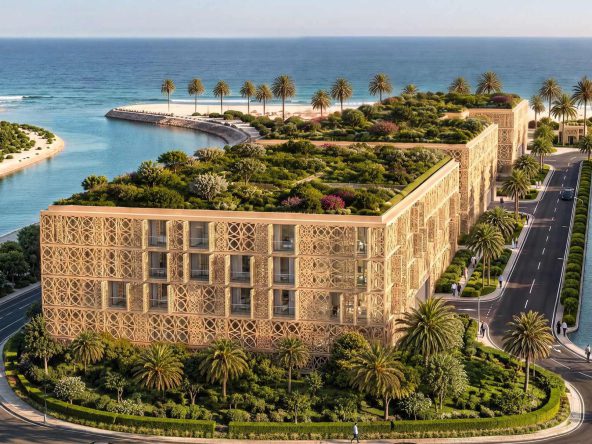
Mira Ocean Estates, Hawana Salalah, Oman
Mira Ocean Estates, Hawana Salalah, Dhofar, Oman Details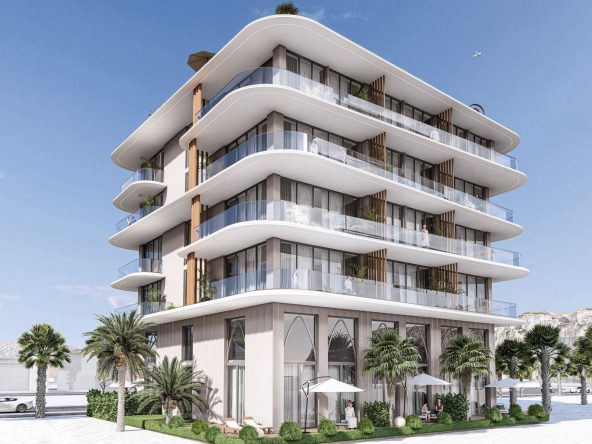
Taqah Long Beach Boutique, Taqah, Salalah, Oman
Taqah Long Beach Boutique, Taqah, Dhofar, Oman Details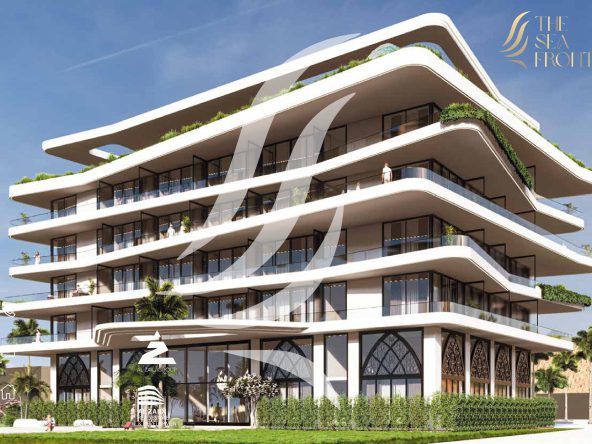
The Sea Front Residences, Taqah, Salalah, Oman
The Sea Front Residences, Taqah, Dhofar, Oman Details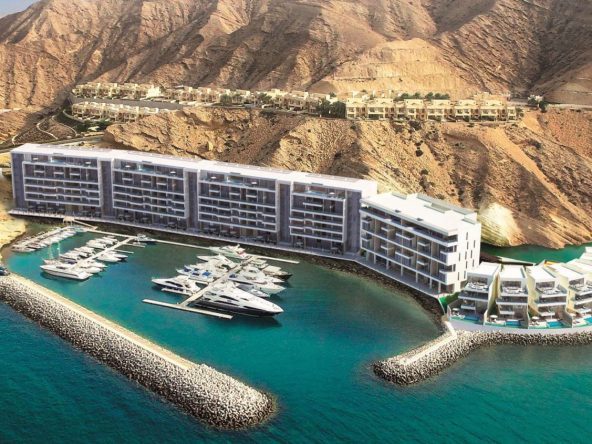
Al Mina, Barr Al Jissah, Muscat, Oman — Marina Residences & Beachfront Villas
Al Mina, Barr Al Jissah, Muscat, Oman Details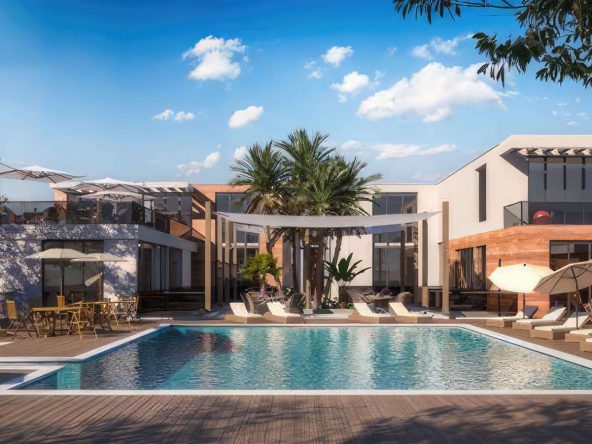
Luma Residence, Bandar Jissah, Muscat Bay, Oman
Luma Residence, Bandar Jissah, Muscat Bay, Muscat, Oman Details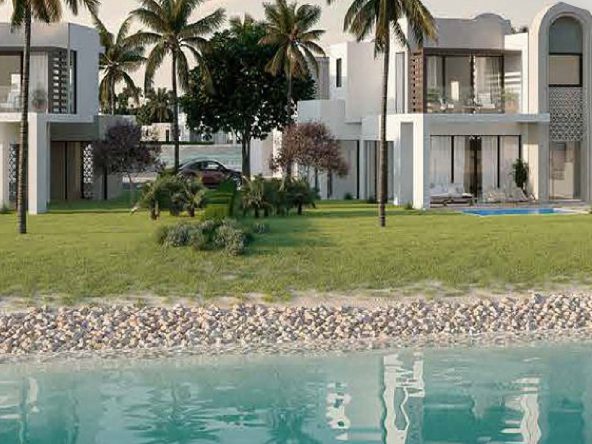
Lubana Island, Amazi — Freehold Waterfront Residences in Hawana Salalah, Oman
Lubana Island, Amazi, Hawana Salalah, Dhofar, Oman Details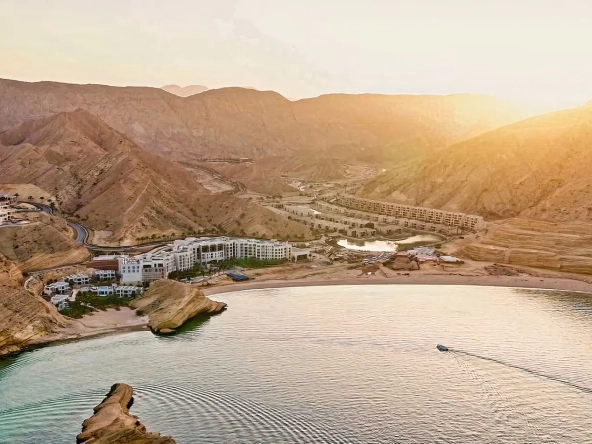
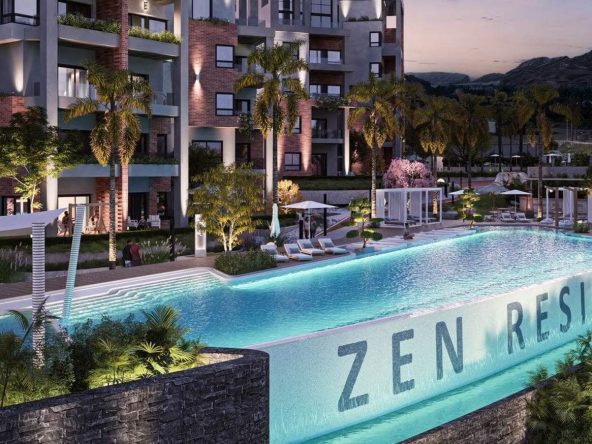
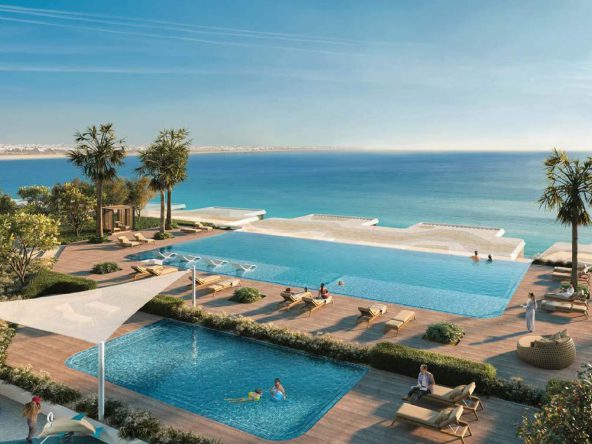
Azura Beach Residences, Al Mouj — Freehold Beachfront Apartments in Muscat, Oman
Al Mouj, Muscat, Oman Details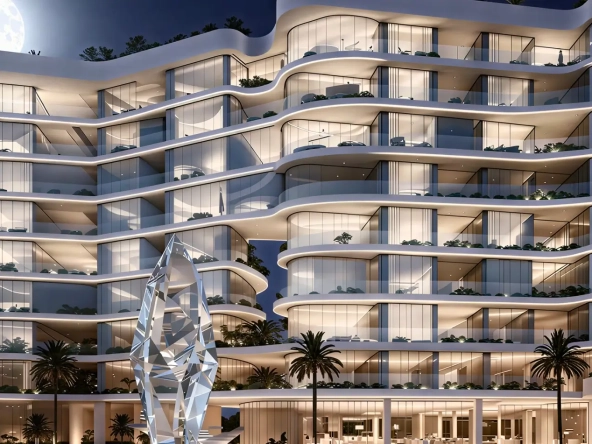
Vistal by Victoria Swarovski, Al Mouj — Branded Freehold Residences in Muscat, Oman
Al Mouj, Muscat, Oman Details
The St. Regis Residences, Al Mouj — Branded Freehold Living in Muscat, Oman
Al Mouj, Muscat, Oman Details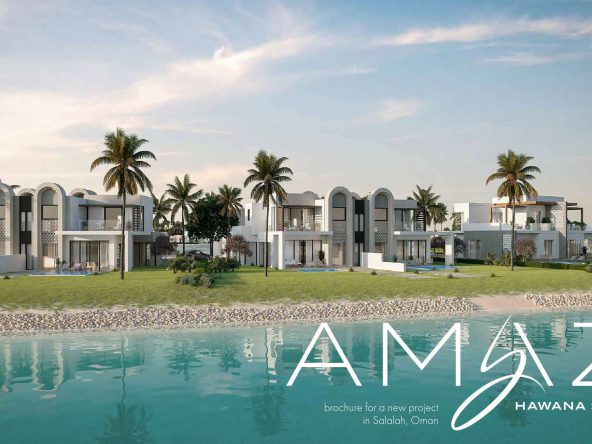
The two cheapest beachfront homes in Oman are not freehold
This is the single most important thing on the page, and almost no listing anywhere states it.
Two beachfront buildings at Taqah, on the Dhofar coast about 31 to 34 kilometres east of Salalah, are the lowest-priced sea-front homes in the country. They are built by the same developer, three kilometres apart along the same beach, from the same brochure template. Their tenure is not the same as everything else on this page.
| Project | From | What the developer’s brochure says about ownership |
|---|---|---|
| The Sea Front Residences | $128,700 | “99 years leasehold renewable for life” — stated plainly in the brochure summary |
| Taqah Long Beach Boutique | $224,700 | Nothing at all. Neither brochure nor sales sheet uses the word freehold, leasehold, usufruct or title |
Read those two rows together. The sister project three kilometres along the same beach declares a 99-year lease; this one omits the line entirely from an otherwise identical document. That is not proof of anything, but it is the strongest available inference about what Taqah Long Beach Boutique is actually selling, and it is a question to settle in writing before a deposit — particularly since the terms there are 50% on reservation.
Several brokerage listings describe Taqah projects as “freehold with residency”. The developer’s own documents do not. A 99-year lease is a real asset and a perfectly reasonable purchase — it is simply not the ITC freehold title sold at Al Mouj, Muscat Bay or Hawana Salalah, and it changes what you own, what you can pass on, and which residency routes are open to you. Every other project on this page is freehold under Sultani Decree 12/2006.
Beach houses in Oman at a glance
| Buying on the Omani coast | |
|---|---|
| Who can buy | Any nationality, inside a designated ITC — no sponsor, no local company |
| Coastal projects | 13, across the Muscat and Dhofar coasts |
| Cheapest sea-front home | $128,700 — Sea Front Residences, Taqah, 99-year leasehold |
| Cheapest freehold entry | $143,000 — The Beachfront, As Sifah |
| Cheapest freehold beach villa | $202,862 — Amazi, Hawana Salalah |
| Most expensive | $4,183,000 — Al Mina beachfront villa, 6,340 sq ft at ~$660 per sq ft |
| Complete today | Muscat Bay and The St. Regis Residences |
| Beach season | Opposite on the two coasts — see below |
| Annual property tax | None — and none on rental income or capital gains |
| Residency | Owner Visa on any freehold purchase; Golden Residency from OMR 200,000 |
Every coastal home by price
| Project | Where | From | Entry size | ~ Per sq ft | Tenure | Handover |
|---|---|---|---|---|---|---|
| Sea Front Residences | Taqah, Salalah | $128,700 | 592 sq ft | ~$217 | 99-yr lease | 2027 |
| The Beachfront, As Sifah | Jebel Sifah | $143,000 | 431 sq ft | ~$332 | Freehold | 2025 |
| Mira Ocean Estates | Hawana Salalah | $149,738 | Not published | — | Freehold | Q4 2028 |
| Amazi, Hawana Salalah | Hawana Salalah | $202,862 | 624 sq ft villa | ~$325 | Freehold | 2026 |
| Azura Beach Residences | Al Mouj | $221,000 | Not published | — | Freehold | 2026 |
| Taqah Long Beach Boutique | Taqah, Salalah | $224,700 | 1,152 sq ft | ~$195 | Undeclared | 2026 |
| Muscat Bay | Muscat Bay | $234,100 | 850 sq ft | ~$275 | Freehold | Complete |
| Lubana Island | Hawana Salalah | $258,800 | 721 sq ft | ~$359 | Freehold | 2029 |
| Luma Residence | Bandar Jissah | $300,500 | 1,211 sq ft | ~$248 | Freehold | 2029 |
| Zen Residences | Muscat Bay | $358,900 | 1,378 sq ft | ~$260 | Freehold | 2027 |
| Vistal | Al Mouj | $364,100 | 737 sq ft | ~$494 | Freehold | Q4 2029 |
| Al Mina, Barr Al Jissah | Barr Al Jissah | $479,200 | 1,238 sq ft | ~$387 | Freehold | 2027 |
| The St. Regis Residences | Al Mouj | $882,000 | 1,540 sq ft | ~$573 | Freehold | Complete |
The coastal ladder runs from $128,700 to $882,000 at the entry tier, and up to $4,183,000 for the Al Mina beachfront villa, which at 6,340 sq ft prices at about $660 per square foot — the most expensive residential rate in the country.
What “beachfront” actually means here
Every project on this page will describe itself as coastal. They are not all the same distance from the water, and the difference is worth several hundred thousand dollars.
| How close | Projects |
|---|---|
| On the sand — the building or villa opens onto the beach | Sea Front Residences, St. Regis (private 360-metre beachfront), Al Mina beachfront villas, Mira Ocean Estates (private beach) |
| On a saltwater lagoon that meets the sea | Amazi (Amazi Bay), Lubana Island |
| Inside a private bay | Muscat Bay, Zen Residences, Luma Residence |
| Sea-facing on a resort shoreline | Vistal, Azura Beach Residences, Taqah Long Beach |
| Beach in the community, not at the door | The Beachfront, As Sifah and the wider Jebel Sifah resort |
The Sea Front Residences is described as directly on the sand, which most central Muscat stock is not, and it is delivered fully furnished. The St. Regis owns a private 360-metre beachfront — a stretch of shoreline reserved for 162 residences and a 250-room hotel. Those are two very different propositions at $128,700 and $882,000, and both are honestly “on the beach”.
The lagoon tier deserves its own note. Amazi is built around Amazi Bay, a man-made saltwater lagoon threaded between the plots, so villas front either the bay or the beach; its districts are literally named Amazi Cove, Amazi Islands and Amazi Beach. Ask which one a specific villa sits in — the water outside your terrace is not the same water in each.
The cheapest freehold beach villa in Oman
If you want a house rather than an apartment, with a proper freehold title and water at the end of the garden, the entry point is Amazi at Hawana Salalah.
| Amazi villa | In rials | In dollars |
|---|---|---|
| One-bedroom | OMR 78,000 | $202,862 |
| Two-bedroom | OMR 169,000 | $439,535 |
| Three-bedroom | OMR 214,000 | $556,571 |
| Four-bedroom | OMR 321,000 | $834,857 |
Two things make this the strongest value on the page. Hawana Salalah is a designated ITC, so the title is genuine freehold — the same footing as Al Mouj or Jebel Sifah, and explicitly unlike the leasehold and undeclared-tenure buildings 40 kilometres east at Taqah. And the resort around it is already operating: marina, hotels, water park and beach club have been running for years, with the villa completion date of Q1 2026 now passed.
Note how steeply the ladder climbs. The two-bedroom is 2.2 times the one-bedroom and the four-bedroom is 4.1 times. If a one-bedroom villa on a saltwater lagoon does what you need, it is by a wide margin the cheapest way to own a freehold beach house in Oman.
The most expensive sand in Oman
| Home | Size | Price | Per sq ft |
|---|---|---|---|
| Al Mina beachfront villa | 6,340 sq ft | $4,183,000 | ~$660 |
| St. Regis one-bedroom | 1,540 sq ft | $882,000 | ~$573 |
| Vistal one-bedroom | 737 sq ft | $364,100 | ~$494 |
| Muscat Bay villa | 3,330 sq ft | $897,000 | ~$269 |
| Taqah Long Beach | 1,152 sq ft | $224,700 | ~$195 |
The gap between the dearest and cheapest coastal square foot in Oman is 3.4 times — $660 at Al Mina against $195 at Taqah. Both are on the Omani shoreline; what separates them is a licensed ITC, a marina, a capital thirty minutes away, and a title deed.
Worth noting for anyone comparing the top of the market: the Muscat Bay villa at $269 per square foot is less than half the Al Mina rate and it is finished and standing today. Beachfront pricing in Oman is not a single curve.
Muscat coast or Dhofar coast
| Muscat coast | Dhofar coast (Salalah) | |
|---|---|---|
| Projects here | Al Mouj, Muscat Bay, Barr Al Jissah, Bandar Jissah, Jebel Sifah | Hawana Salalah, Taqah |
| Entry price | From $143,000 | From $128,700 (leasehold) |
| Cheapest freehold | $143,000 — The Beachfront | $149,738 — Mira Ocean Estates |
| Peak season | October to April — the beach months | June to September — the Khareef |
| Tenant | Corporate, expatriate, year-round | Regional tourism, sharply seasonal |
| Access | Drive from Muscat International | Domestic flight to Salalah |
| Tenure risk | ITC freehold throughout | Freehold at Hawana; check at Taqah |
The seasons are the thing most buyers get wrong. Oman’s two coasts have opposite beach calendars. On the Muscat coast the beach months are the cool ones, roughly October to April, and summer is when residents leave. In Dhofar the Khareef monsoon runs June to September, turning the hills green and drawing regional visitors in volume — which is peak rental season, even though it is also when the sea is at its roughest and the sky is grey.
If you are buying a beach house to use yourself, that difference decides which coast suits your calendar. If you are buying to let, it decides whether your income arrives in one concentrated quarter or spreads across a season. Our comparison is Muscat vs Salalah.
The two you can move into today
| Project | Status | From |
|---|---|---|
| Muscat Bay | Completed community, operating | $234,100 (1-bed, 850 sq ft); villas from $897,000 |
| The St. Regis Residences | Handed over August 2024; resort opened June 2024 | $882,000 (1-bed, 1,540 sq ft) |
Two of the thirteen are finished. Both are on the Muscat coast, and between them they define the two ends of ready coastal stock — a family bay community with villas and apartments, and a branded beachfront residence with hotel servicing on a private stretch of shore.
Everything else here hands over between 2025 and the fourth quarter of 2029. Amazi is an interesting middle case: its recorded completion was Q1 2026, now passed, and the surrounding resort has been operating for years — worth asking which specific villas are ready to hand over now.
Residency from a beach house
The Owner Visa is sponsor-free, tied to ownership, renewable, covers a spouse and first-degree relatives, and has no minimum purchase amount. Every freehold project here supports one.
Golden Residency is the ten-year permit and requires OMR 200,000, about $520,160.
| Coastal home | Price | In rials | Against OMR 200,000 |
|---|---|---|---|
| Al Mina beachfront villa | $4,183,000 | OMR 1,608,351 | Clears 8× |
| Muscat Bay villa | $897,000 | OMR 344,894 | Clears |
| St. Regis one-bedroom | $882,000 | OMR 339,126 | Clears |
| Amazi four-bedroom villa | $834,857 | OMR 321,000 | Clears |
| Amazi two-bedroom villa | $439,535 | OMR 169,000 | Short by 31,000 |
| Amazi one-bedroom villa | $202,862 | OMR 78,000 | Short by 122,000 |
The coast is where the ten-year permit gets easy. Four of the homes above clear OMR 200,000 without needing an upgrade, and the Amazi three-bedroom at OMR 214,000 clears it too. That is a much better hit rate than the apartment market, where a single project qualifies at its entry price.
One caution specific to this page. A leasehold or undeclared-tenure property should not be assumed to qualify at all. Oman’s property route to residency runs through registered ITC real estate; if you are buying at Taqah and residency matters, get that confirmed by an independent Omani lawyer before anything else. Routes compared in Golden Residency vs the Owner Visa.
What owning on the coast costs
| Item | Typical |
|---|---|
| Title transfer fee | 3% of the purchase price |
| VAT | 5% where it applies — confirm per project |
| Legal and registration | Budget separately; use your own independent Omani lawyer |
| Service charge — Sea Front Residences | OMR 300 a year — a flat fee, not per m² |
| Service charge — Taqah Long Beach | “To be specified” — not published |
| Service charge — Vistal | 1.65 OMR per m² per month (~19.5 a year) |
| Payment — Taqah Long Beach | 50% on reservation, balance monthly to completion |
| Furnishing | Sea Front hands over fully furnished; most others do not |
| Annual property tax | None |
| Rental income tax | None |
| Capital gains tax | None |
Budget roughly 8% on top of the price where VAT applies. Three coastal specifics are worth pulling out. The Sea Front Residences charges a flat OMR 300 a year rather than a per-square-metre rate, which is unusually simple and, on a small unit, unusually cheap. Taqah Long Beach asks 50% on reservation — a very heavy deposit by Omani standards, where 10 to 20% is normal — and does not publish a service charge at all. And a beach property carries maintenance an inland one does not: salt corrosion on metalwork, glass and air conditioning is a real annual line. More in service charges in Oman.
What the sea actually costs you
| Coastal | Inland | |
|---|---|---|
| Entry price | From $143,000 freehold | From $82,160 (Sultan Haitham City) |
| Best rate per sq ft | ~$195 (Taqah) | ~$100 (Hay Al Wafa) |
| Villa entry | $202,862 (Amazi) | $412,400 (Jood, Sultan Haitham City) |
| Rental demand | Seasonal, holiday and short-let | Year-round, corporate and family |
| Resale audience | International | Largely domestic and regional |
| Maintenance | Salt exposure, higher | Lower |
The comparison is less lopsided than it looks. At the apartment level the sea costs you roughly 75% more to enter — $143,000 against $82,160 — and about twice as much per square foot. But at villa level the position reverses: the cheapest freehold beach villa in Oman, at $202,862, undercuts the cheapest inland new-city villa by more than $200,000.
That is a genuine quirk of this market. Oman’s inland villa stock is concentrated in large new-city masterplans priced for family buyers, while its coastal villa stock includes small one-bedroom lagoon houses built for the holiday market. If you want a beach house rather than a family home, the coast is not the expensive option.
Renting an Omani beach house out
Coastal property in Oman lets in two distinct ways, and the coast you choose decides which.
On the Muscat coast — Al Mouj, Muscat Bay, Bandar Jissah and Jebel Sifah — the market is executive lettings, second homes and weekend short-lets from the capital, with a season running roughly October to April. Yields are steadier and the management overhead is lower, but you are competing with a lot of similar stock at Al Mouj in particular.
On the Dhofar coast the Khareef concentrates demand into three months, when regional visitors arrive in volume and short-let rates are the highest in Oman. The other nine months are quiet. That is a genuinely counter-cyclical asset if the rest of your portfolio earns in winter, and a difficult one if you need level monthly income. Sea Front Residences hands over fully furnished, which matters more here than anywhere — a short-let unit has to be ready on day one. Full context in rental yields in Oman.
Nine checks before buying on the Omani coast
- Get the tenure in writing from the developer’s own document, not a brokerage listing. Two projects on this page are leasehold or undeclared.
- Ask how far the sea actually is — on the sand, on a lagoon, in a bay or a shuttle ride away are four different products.
- At Amazi, ask which district the villa is in — Cove, Islands or Beach front different water.
- Get the service charge basis: flat fee or per square metre. On this page it ranges from OMR 300 flat to 19.5 OMR per m².
- Check the deposit. 10 to 20% is the Omani norm; one project here asks 50% on reservation.
- Ask about salt-exposure maintenance and what the service charge covers on external metalwork and glazing.
- Match the coast to your calendar. Muscat peaks October to April; Salalah peaks June to September.
- If residency matters, confirm the property qualifies — a lease may not, and the threshold is OMR 200,000 on registered value.
- For anything already complete, visit before you buy. Two projects here allow that and it is worth the flight.
Frequently asked questions
Can foreigners buy beach houses in Oman?
Yes. Buyers of any nationality can own coastal property with full freehold title in their own name inside a designated Integrated Tourism Complex, under Sultani Decree 12/2006, with no Omani sponsor and no local company. Eleven of the thirteen projects on this page are ITC freehold. The two at Taqah are not — one declares a 99-year lease and the other declares no tenure at all.
How much does a beach house cost in Oman?
From $128,700 for a 592 sq ft sea-front apartment at Taqah, which is 99-year leasehold, or $143,000 for the cheapest freehold entry at The Beachfront, As Sifah. The cheapest freehold beach villa is a one-bedroom at Amazi, Hawana Salalah, for $202,862. At the top, an Al Mina beachfront villa of 6,340 sq ft costs $4,183,000, about $660 per square foot.
What is the cheapest freehold beach villa in Oman?
Amazi at Hawana Salalah, from $202,862 (OMR 78,000) for a one-bedroom villa on the Amazi Bay saltwater lagoon. The ladder runs to OMR 169,000 for a two-bedroom, OMR 214,000 for a three-bedroom and OMR 321,000 for a four-bedroom. Hawana Salalah is a designated ITC so the title is genuine freehold.
Are the Taqah beach projects freehold?
The Sea Front Residences is not — its developer’s brochure states “99 years leasehold renewable for life”. Taqah Long Beach Boutique, three kilometres along the same beach from the same developer, says nothing at all about ownership in either its brochure or its sales sheet. Some brokerage listings describe both as freehold; the developer’s own documents do not. Get it confirmed in writing before paying a deposit, especially as Taqah Long Beach asks 50% on reservation.
Which Omani beach properties are ready now?
Two. Muscat Bay is a completed, operating community with apartments from $234,100 and villas from $897,000. The St. Regis Residences at Al Mouj was handed over to owners in August 2024 and sits on a private 360-metre beachfront, from $882,000 for a one-bedroom. Amazi’s recorded completion of Q1 2026 has passed and its resort has been operating for years, so ask which villas are ready.
Does buying a beach house give Oman residency?
Any completed freehold purchase supports the sponsor-free Owner Visa, which has no minimum amount. The ten-year Golden Residency needs OMR 200,000 (about $520,160), and the coast clears it more easily than most: the Al Mina villa, the Muscat Bay villa, the St. Regis one-bedroom and the Amazi three- and four-bedroom villas all qualify. A leasehold property should not be assumed to qualify — confirm with a lawyer.
When is beach season in Oman?
It depends which coast. On the Muscat coast the beach months are roughly October to April, and summer is when residents leave. On the Dhofar coast at Salalah the peak is the Khareef monsoon from June to September, when the hills turn green and regional tourism arrives — the sea is rougher and the sky greyer, but it is the strongest rental quarter of the year.
Is a beach house more expensive than an inland home in Oman?
At apartment level, yes — coastal freehold starts at $143,000 against $82,160 inland at Sultan Haitham City, and the rate per square foot is roughly double. At villa level it reverses: the cheapest freehold beach villa, Amazi at $202,862, undercuts the cheapest inland new-city villa by more than $200,000, because the coast includes small one-bedroom holiday villas that the inland masterplans do not build.
What extra costs come with a beachfront property?
Salt exposure is the main one: external metalwork, glazing and air conditioning corrode faster on the shore, so ask what the service charge actually covers. Beyond that the standard Omani costs apply — 3% transfer fee, 5% VAT where it applies, no annual property tax and no tax on rental income or capital gains. Service charge structures vary widely, from a flat OMR 300 a year at Sea Front to 19.5 OMR per square metre a year at Vistal.
Related reading on this site
By property type: villas for sale in Oman, apartments, townhouses, penthouses, studios, houses, land, affordable homes. By area: Al Mouj, Muscat Bay, Salalah, Jebel Sifah, Shatti Al Qurum, Yiti, Muscat, Sur. Guides: Hawana Salalah, Jebel Sifah, Muscat vs Salalah, buying as a foreigner, freehold property in Oman, comparing the ITCs, residency routes, property tax, service charges, rental yields, market risks, all Oman property.
The verdict
Oman has 3,165 kilometres of coastline and thirteen coastal projects a foreign buyer can actually purchase into. That scarcity is the market’s defining feature, and it makes the individual facts matter more than any general view of the sector.
Three of those facts should shape any purchase. The two cheapest sea-front homes in the country are not freehold — one declares a 99-year lease, the other declares nothing at all while its sister building three kilometres away declares a lease. Neither is a bad buy; both are a different asset from the ITC title sold everywhere else on this page, and neither should be bought without a lawyer confirming what the deed says.
The cheapest freehold beach villa in Oman costs $202,862 — a one-bedroom at Amazi on a saltwater lagoon at Hawana Salalah, in a resort that has been operating for years. That is less than half what the cheapest inland new-city villa costs, which is the opposite of what most buyers assume about waterfront pricing.
And the coast is the easiest place in Oman to reach the ten-year Golden Residency. Four homes on this page clear OMR 200,000 outright, against a single apartment project nationally that qualifies at its entry price. If a residence permit is part of the plan, buying by the sea does two jobs at once.
Two instructions before you commit. Ask how far the water actually is — on the sand, on a lagoon, in a bay and in the community are four different products sold with the same adjective. And get the tenure from the developer’s own document, in writing, before any deposit moves. On this coast that single request separates two of the thirteen from the rest.
Ask for tenure documents, beach distances and unit-level prices
Further reading: the Ministry of Housing and Urban Planning registers title; the Ministry of Heritage and Tourism licenses Integrated Tourism Complexes; the Central Bank of Oman publishes lending benchmarks.
