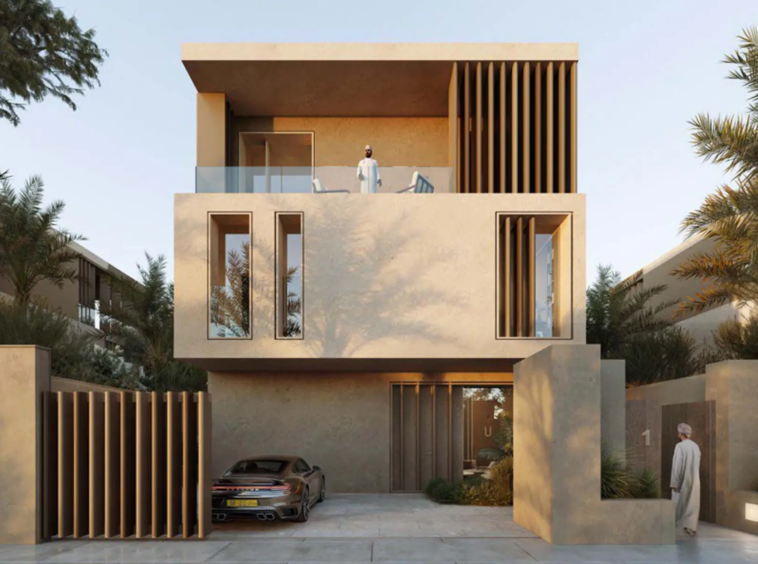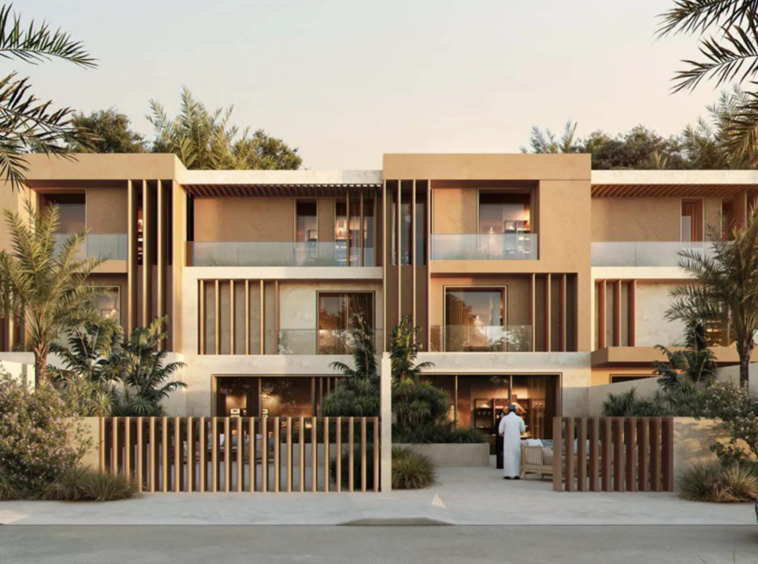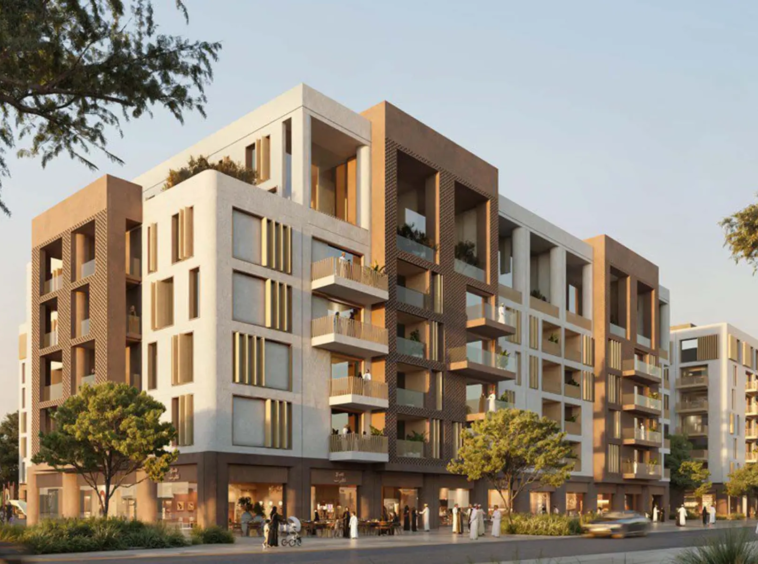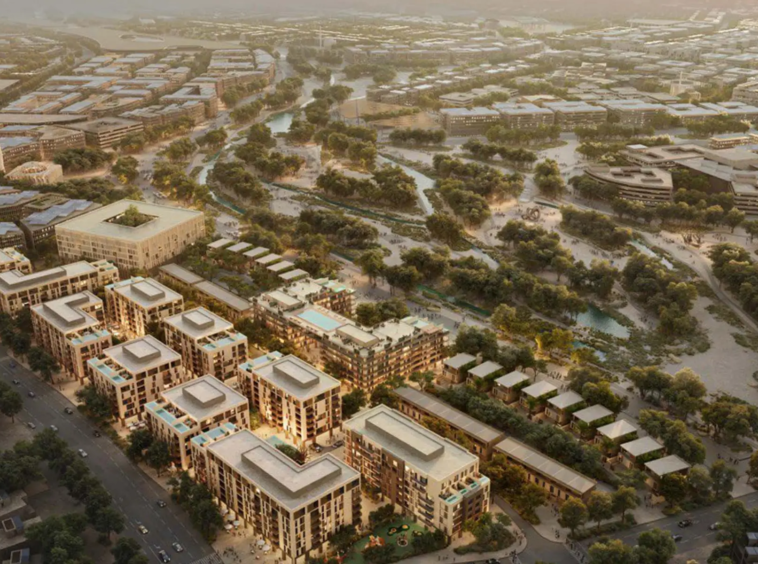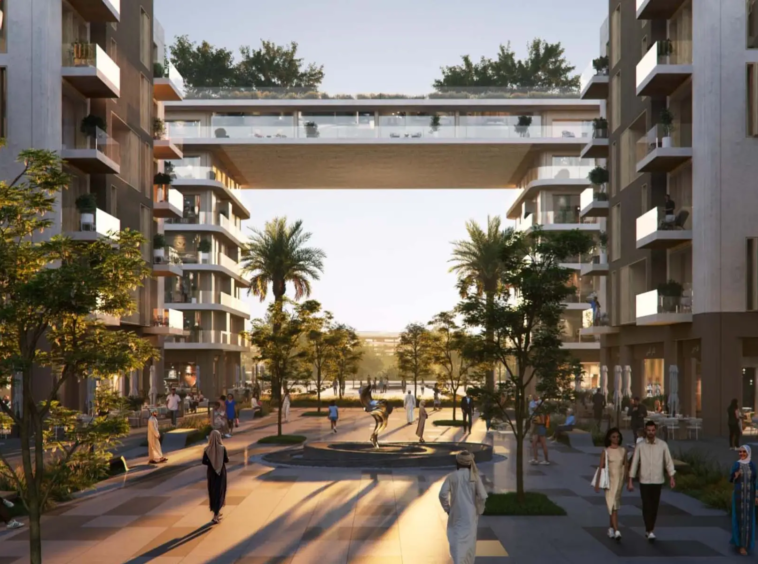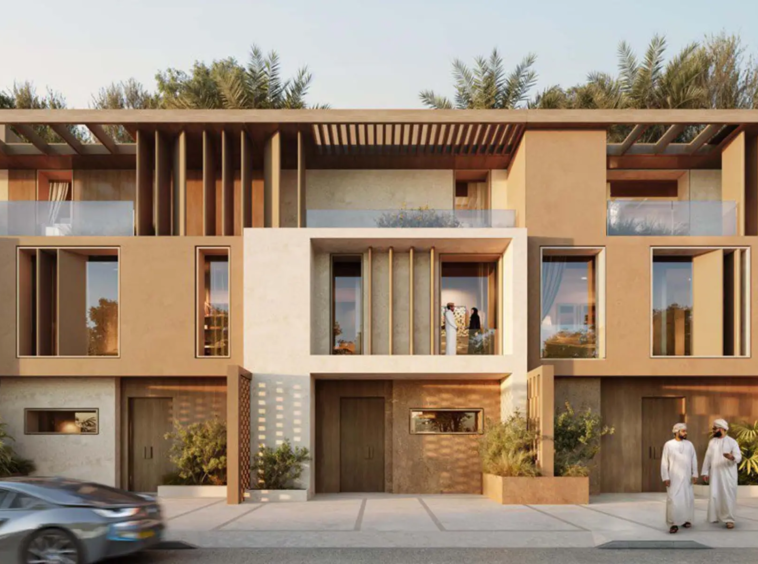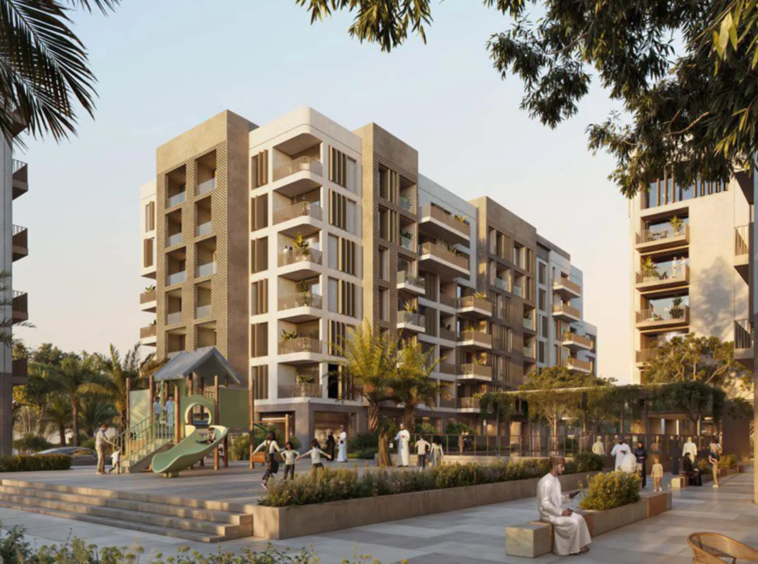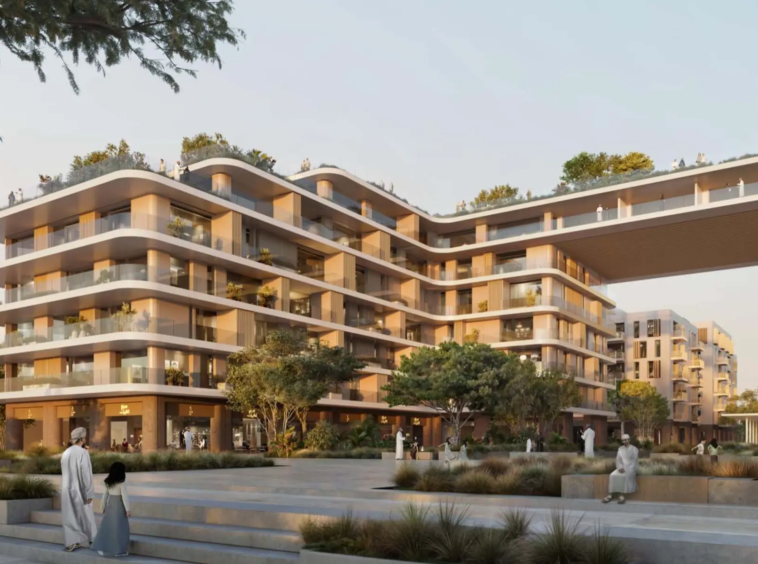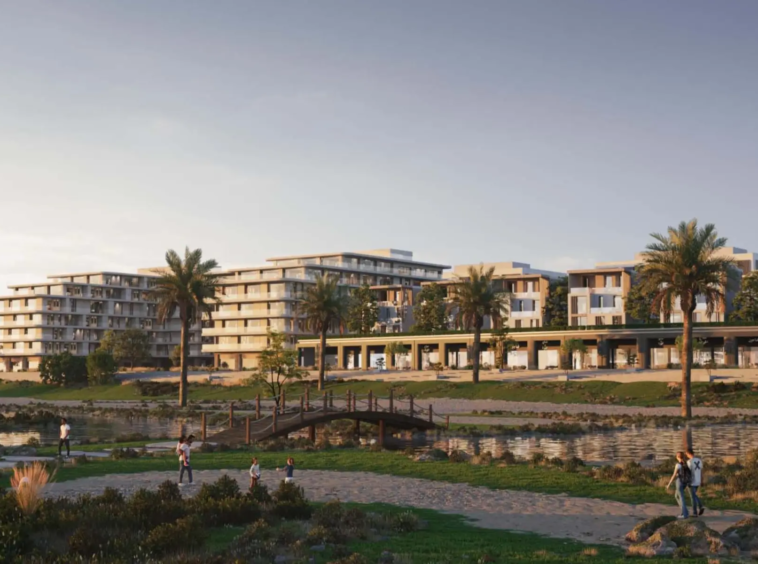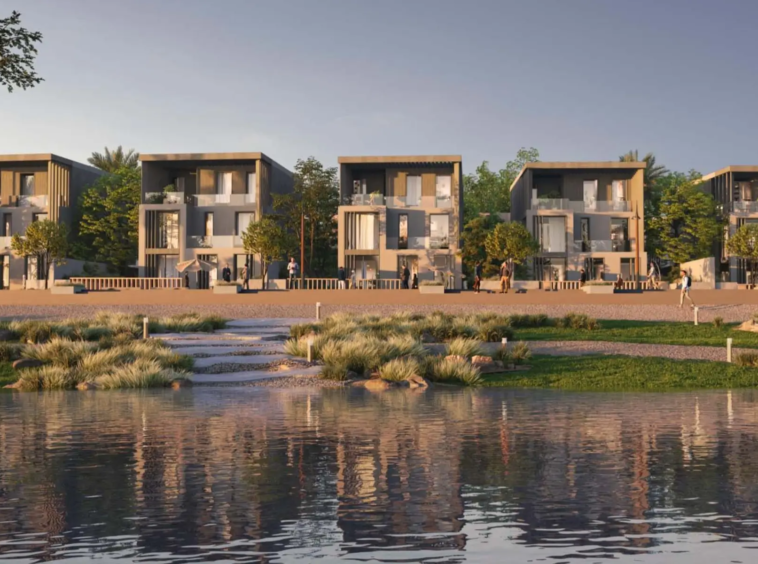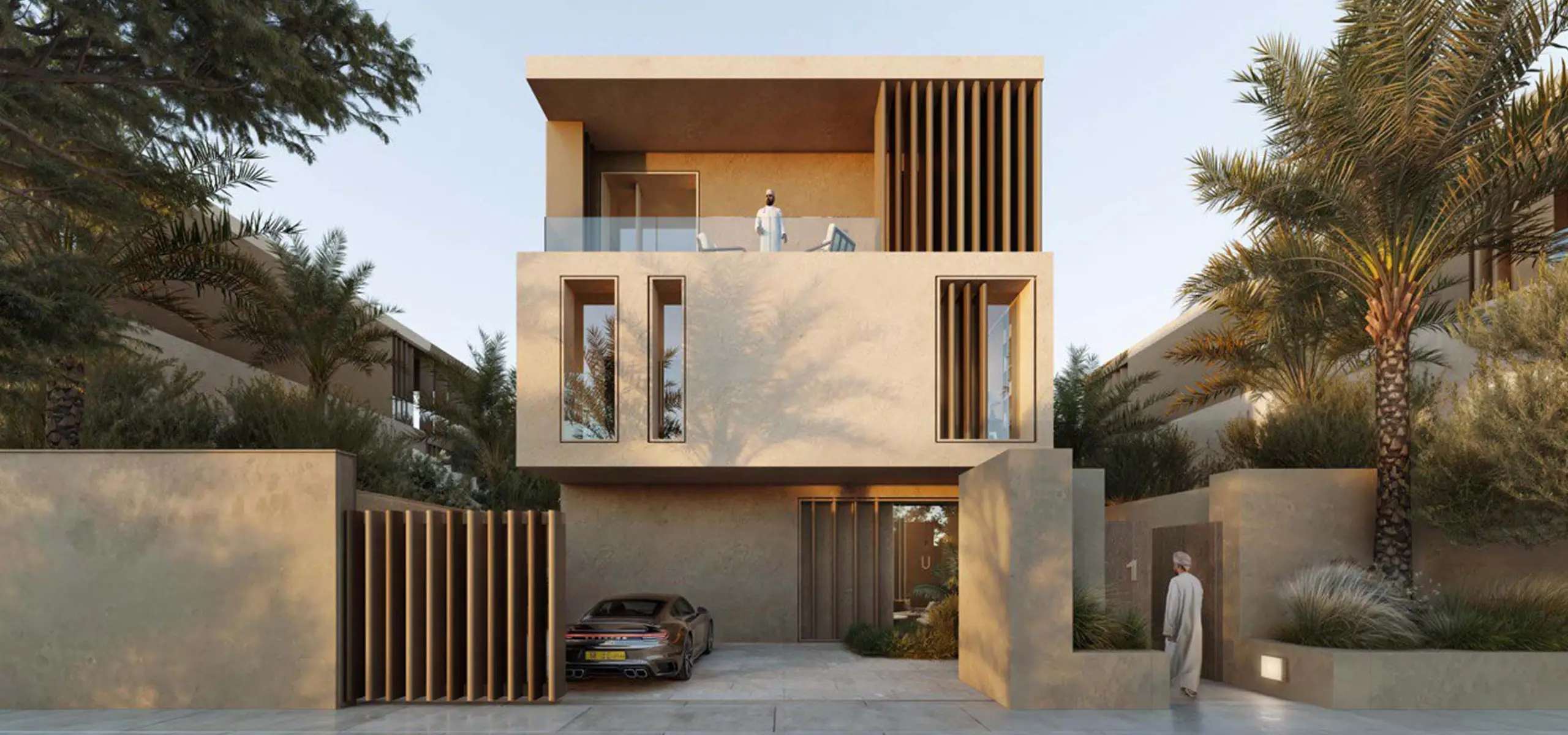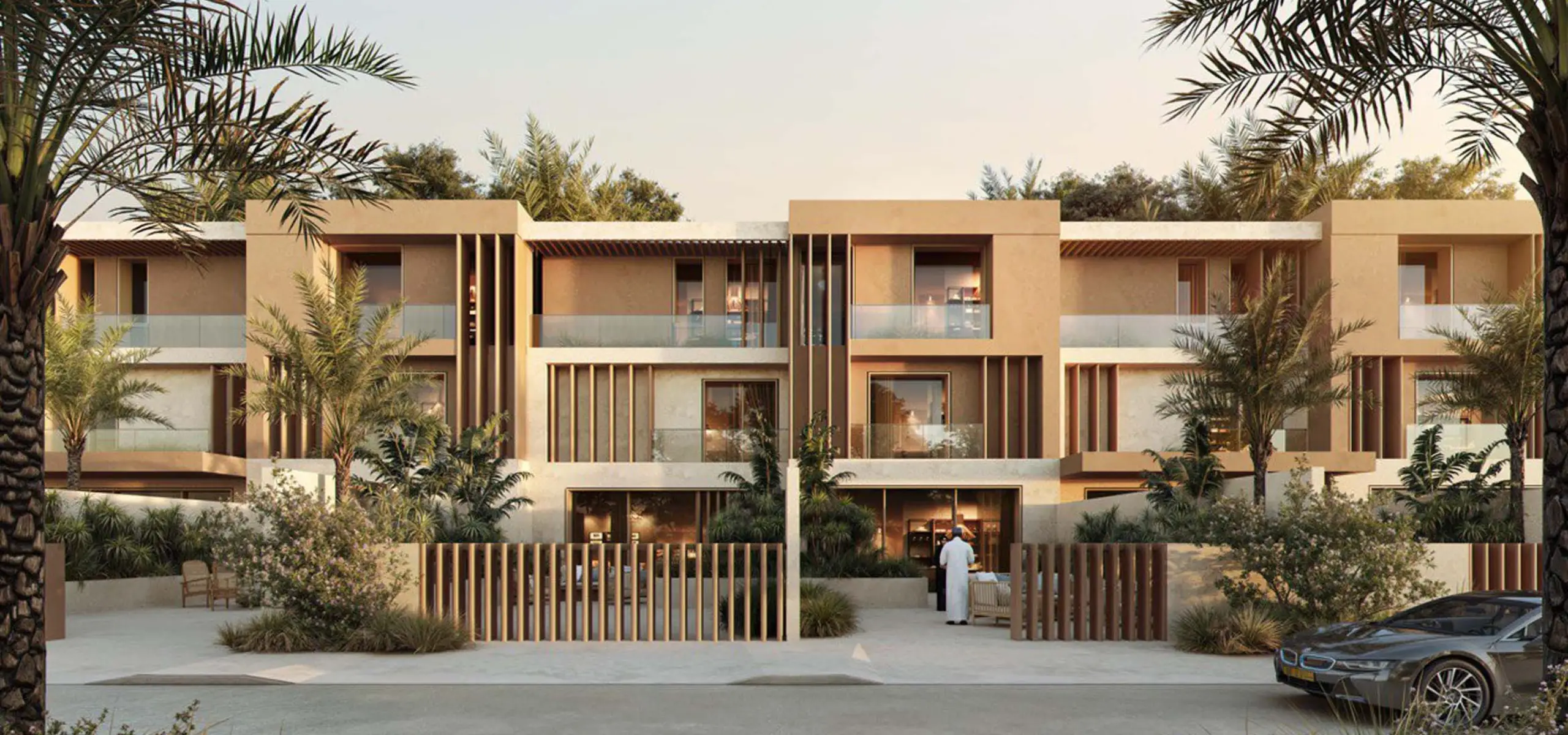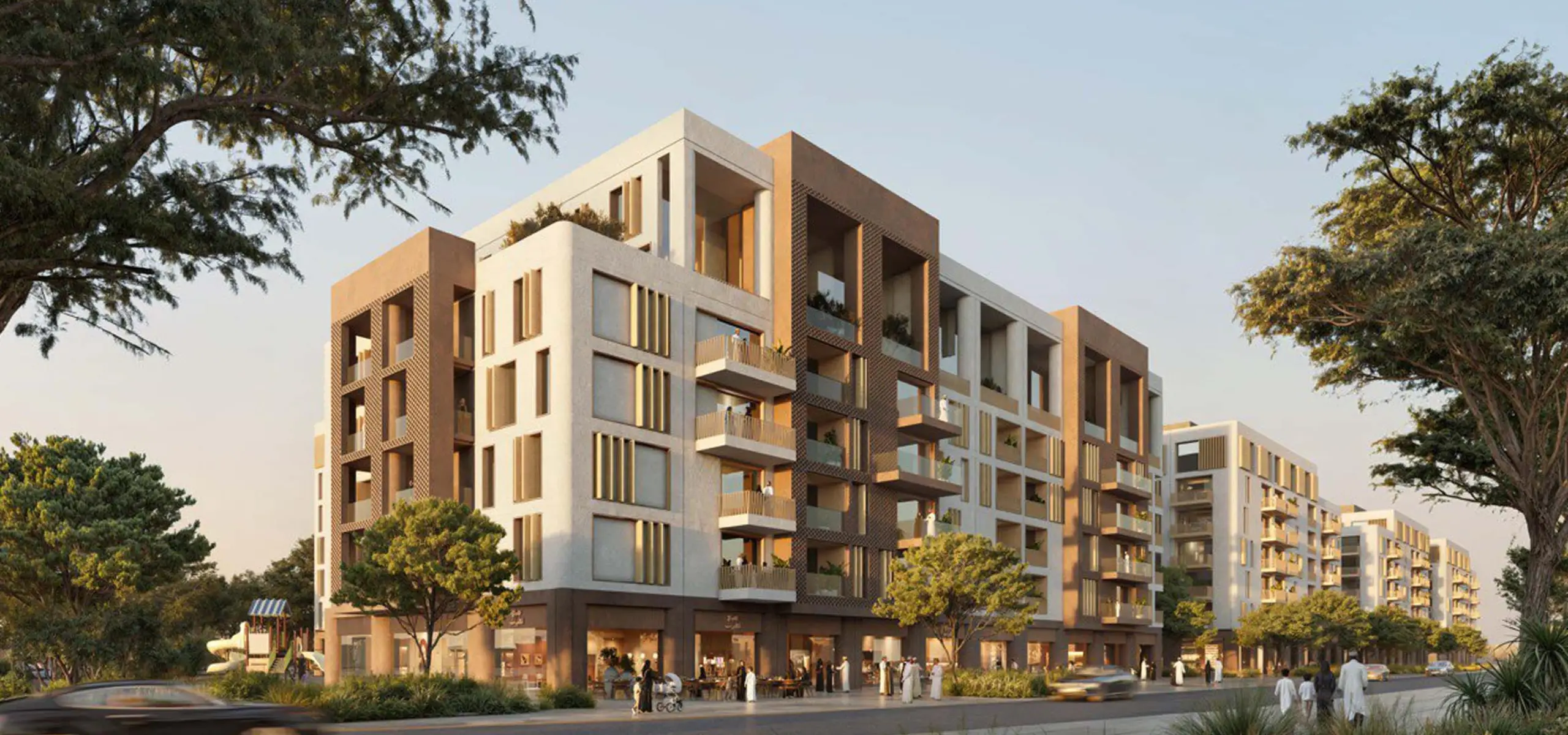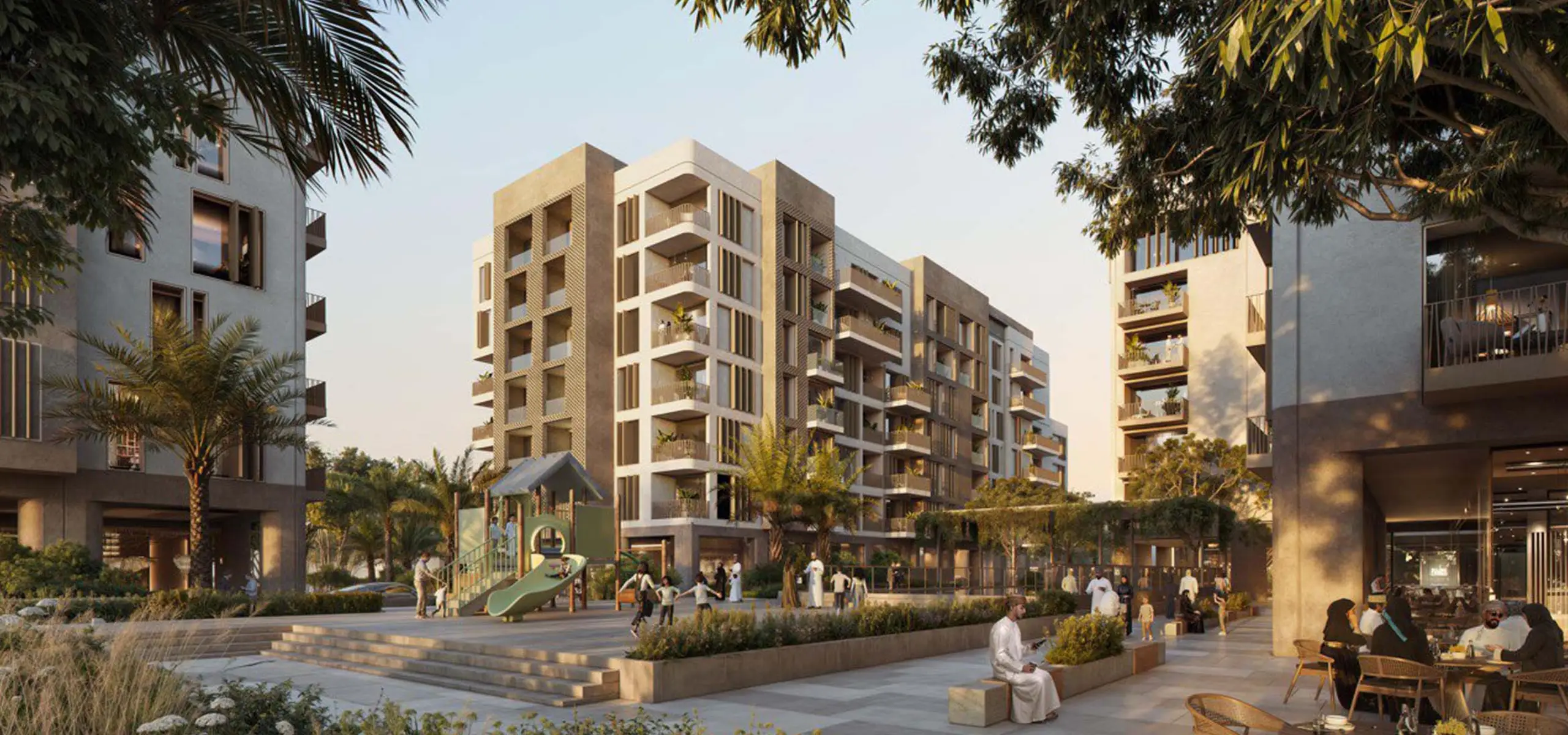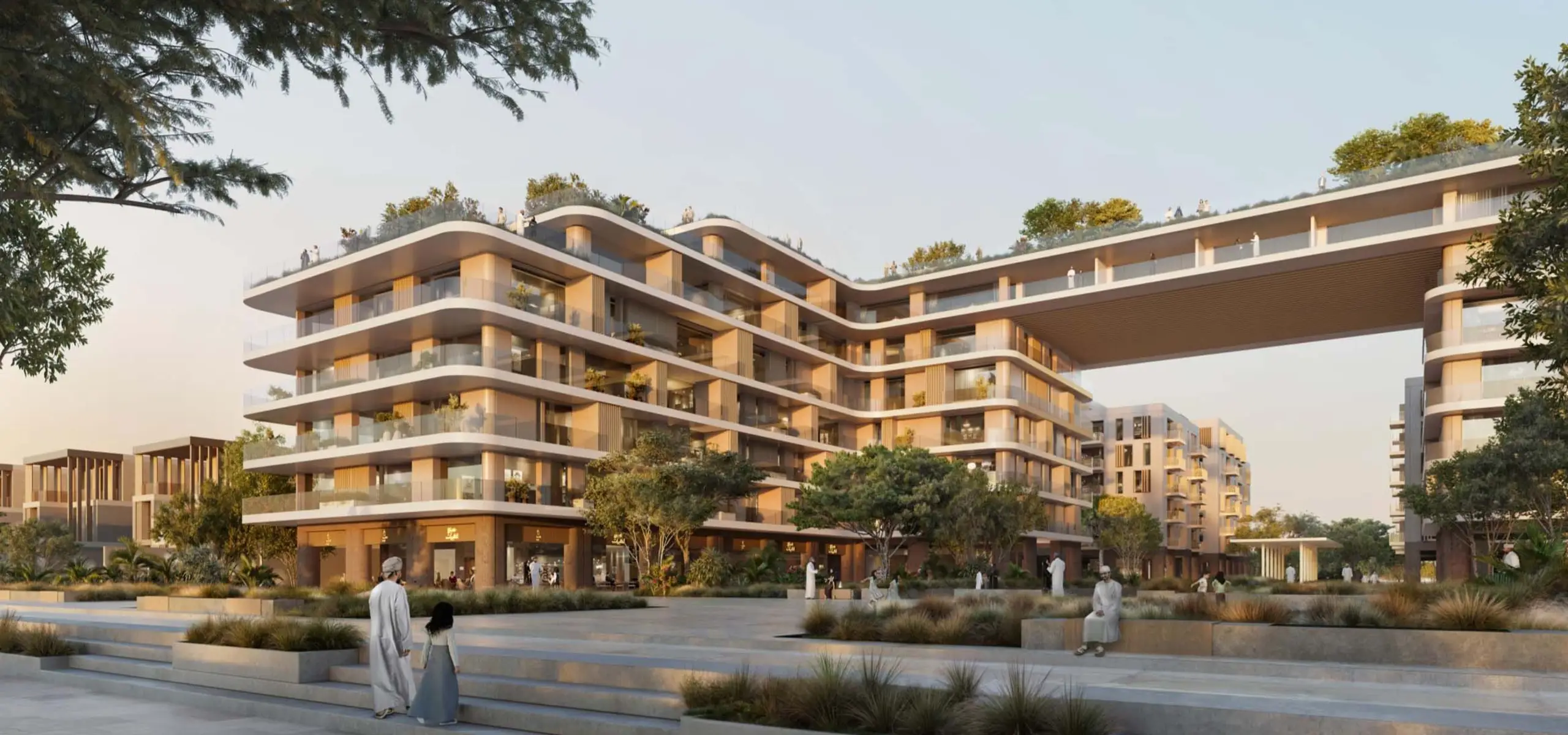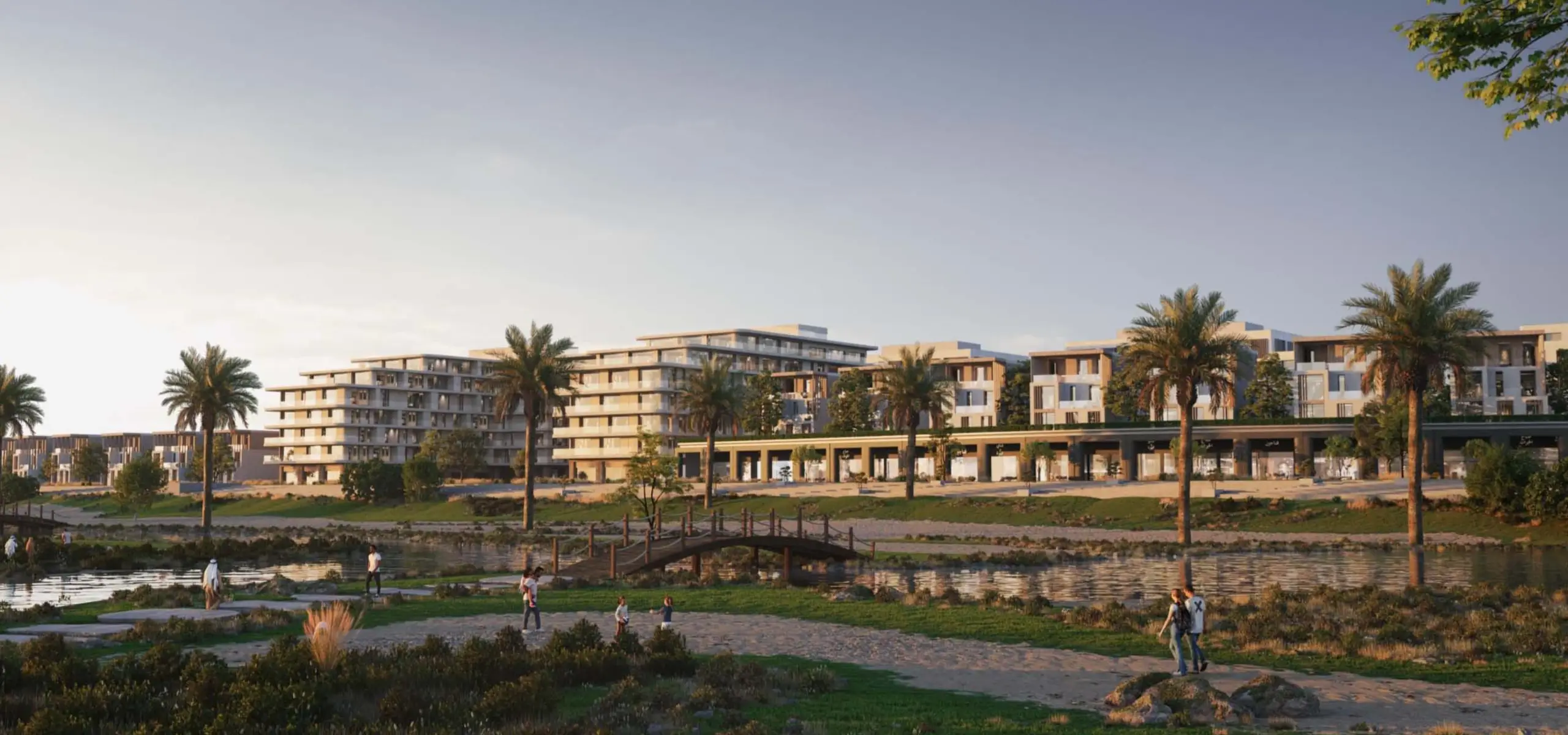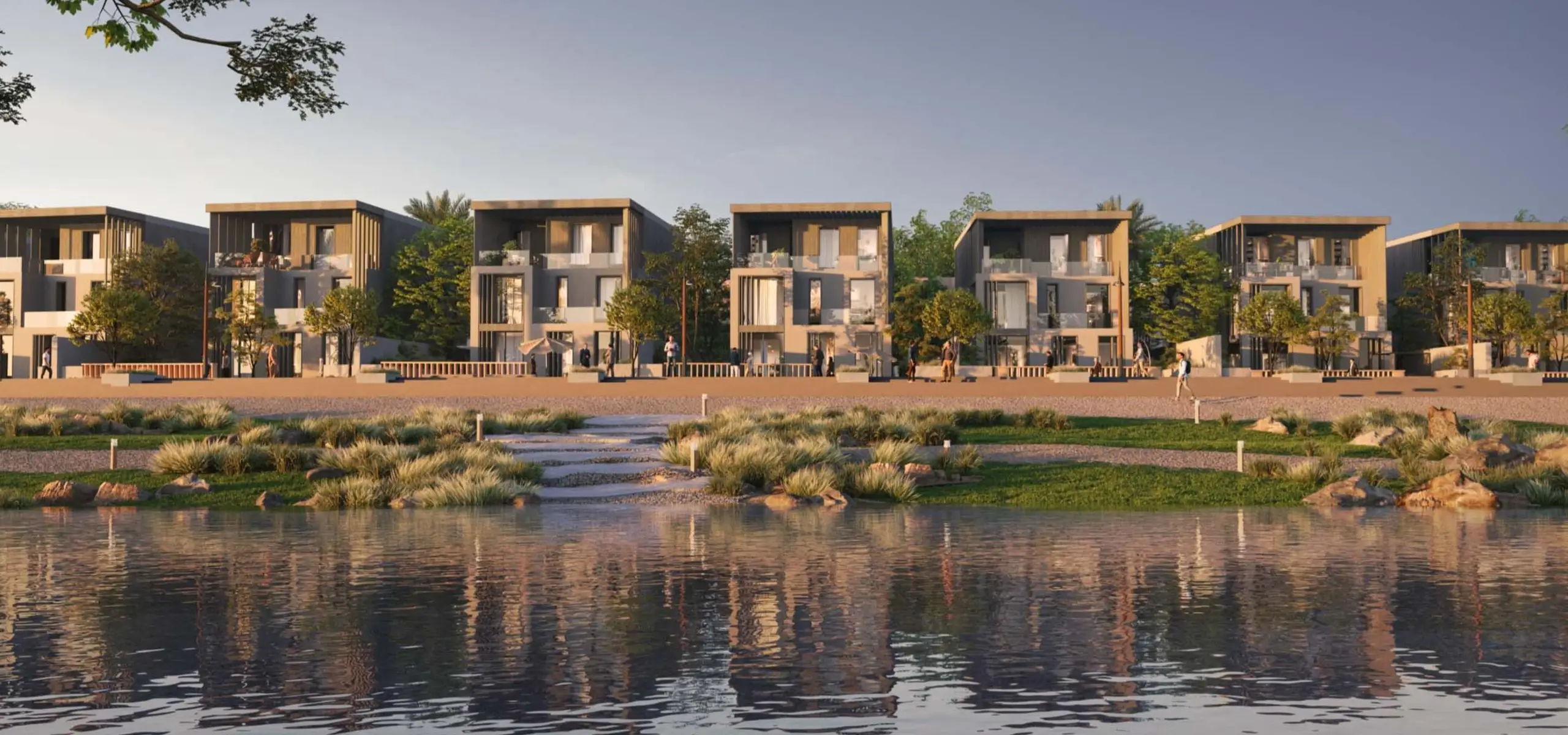
Wadi Zaha is a landmark freehold community in the heart of Sultan Haitham City, Oman’s flagship new smart city rising in the Wilayat of Al Seeb. Developed by Al Ahly Sabbour, one of the region’s most established developers with over 30 years and 50+ delivered projects, Wadi Zaha brings 760 contemporary homes — from studios starting at OMR 48,125 (approximately USD 125,000) to garden villas — to what has become the highest-selling neighbourhood in Sultan Haitham City.
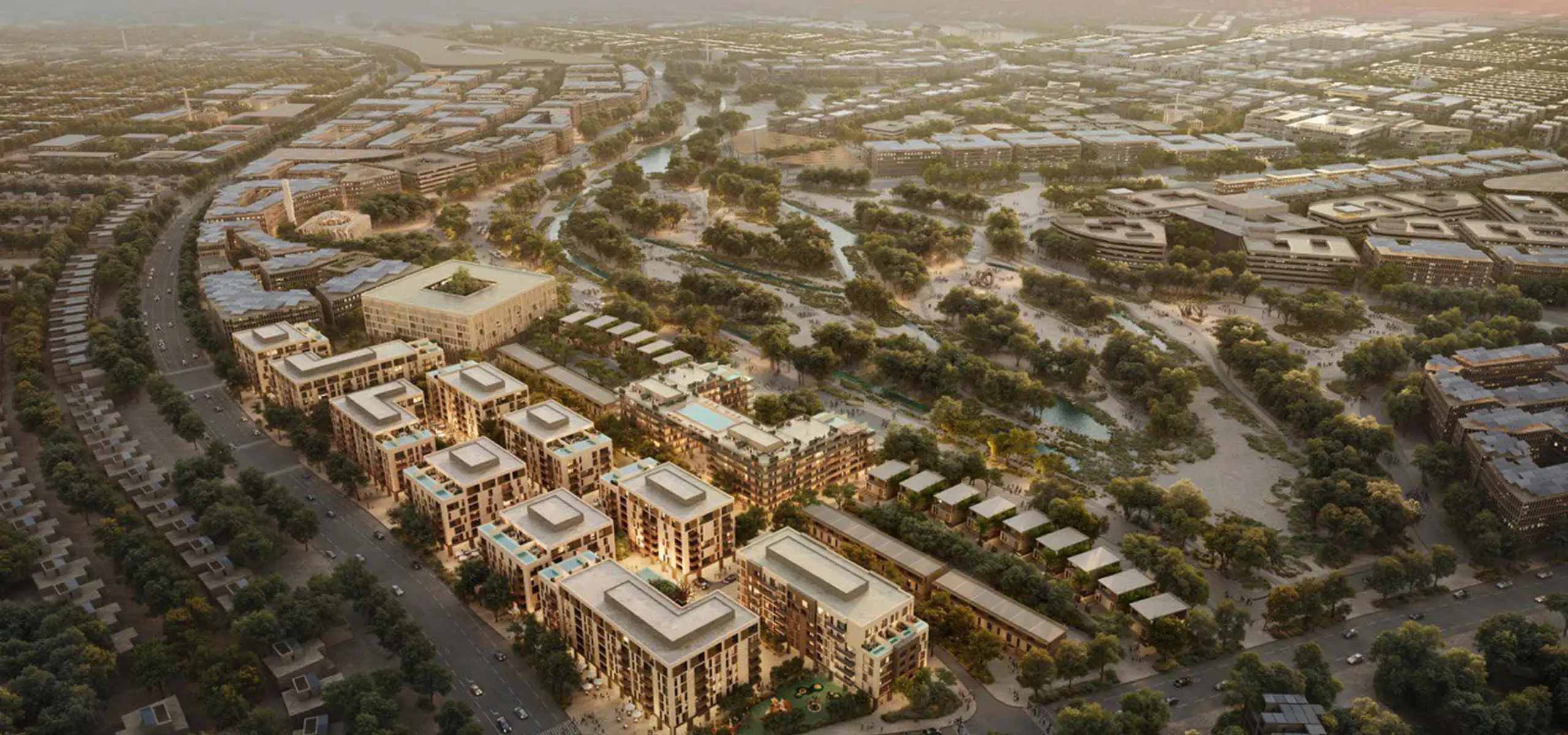
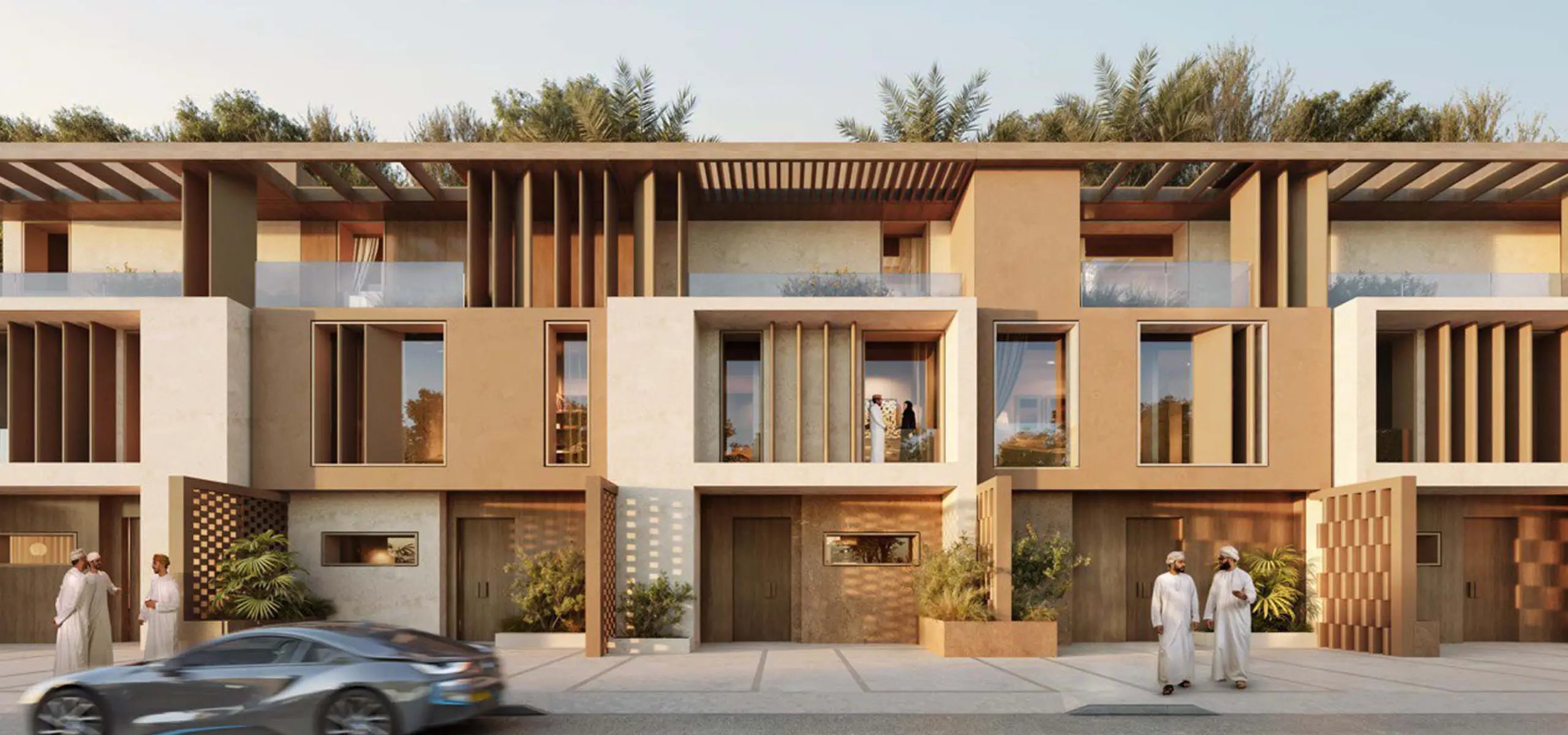
Wadi Zaha spans 23 acres with a 158,000-square-metre built-up area, offering an unusually wide mix of home types: studio, one-, two- and three-bedroom apartments, garden duplexes, upper duplexes with terraces, penthouses, separate villas and townhouses. The neighbourhood sits at the heart of Sultan Haitham City with the largest single frontage onto the city’s central park, and represents a nearly OMR 90 million (approximately USD 234 million) investment by Al Ahly Sabbour — its first neighbourhood launch within the wider masterplan.
Wadi Zaha offers freehold ownership open to all nationalities, making it one of the first major freehold opportunities within Sultan Haitham City’s own government-anchored freehold framework, distinct from Oman’s original tourism-focused Integrated Tourism Complex designations such as Al Mouj or Muscat Bay. This gives buyers a rare ground-floor entry into a government-backed new city being built to house 100,000 residents, rather than a resort-style tourism development.
Sultan Haitham City is Oman’s most ambitious urban project — a 14.8-square-kilometre masterplan designed by the world-renowned architecture firm SOM (Skidmore, Owings & Merrill), planned for 100,000 residents and over 20,000 homes. Wadi Zaha sits at the heart of this masterplan with the largest frontage onto the city’s central park, just 12 to 15 minutes from Muscat International Airport, with direct expressway links to central Muscat and walkable access to planned schools, healthcare, retail and public transport under the Greater Muscat Structure Plan.
Wadi Zaha’s pricing spans a wide range: studio apartments from 50 square metres start at OMR 48,125 (around USD 125,000, roughly OMR 925 per square metre); one-bedroom apartments from 75 square metres start at OMR 69,230 (around USD 180,000, roughly OMR 814 per square metre); two-bedroom apartments from 110 square metres start at OMR 88,620 (around USD 230,000, roughly OMR 724 per square metre); three-bedroom apartments from 150 square metres are priced on request; and villas from 209 to 388 square metres reach up to approximately OMR 250,000 (around USD 650,000). These figures are indicative starting points for off-plan units and should be confirmed with UInvest for current availability.
Al Ahly Sabbour is an Egyptian real estate developer with more than 30 years of experience and over 50 delivered projects across the region. Beyond Wadi Zaha, the company is developing two further neighbourhoods within Sultan Haitham City — Wadi Safa and Wadi Tala — representing a combined investment of approximately OMR 440 million across more than 100 acres and 3,500 residential units, giving Al Ahly Sabbour one of the largest single developer footprints within the entire masterplan.
Wadi Zaha achieved approximately 80% of its OMR 28 million (around USD 73 million) annual sales target for 2025, making it the highest-selling project within Madinat Sultan Haitham to date. This sales momentum gives buyers a genuine market-validated demand signal for the neighbourhood, distinct from developer projections alone, and suggests remaining inventory may continue to move at a steady pace as the masterplan matures.
Wadi Zaha is offered with a 15% down payment, with the balance spread across equal instalments over four to five years — a notably accessible and flexible structure relative to many Muscat-area off-plan payment plans. Handover is targeted for 2026–2027, giving buyers a multi-year window to complete payments ahead of taking possession.
Wadi Zaha offers full freehold ownership and residency eligibility for all nationalities. A qualifying purchase supports an Investor Residency Card application, and higher-value units — particularly the development’s villas — are eligible for Oman’s 10-year Golden Residency programme, extendable to a spouse and dependent children.
Wadi Zaha combines one of the most affordable freehold entry points in greater Muscat with a proven developer, the largest frontage onto Sultan Haitham City’s central park, and a demonstrated sales track record as the masterplan’s best-selling neighbourhood. For buyers and investors seeking early-stage exposure to Oman’s flagship new-capital project, backed by verified market demand rather than untested developer projections, Wadi Zaha represents one of the more compelling off-plan opportunities currently available in Oman.
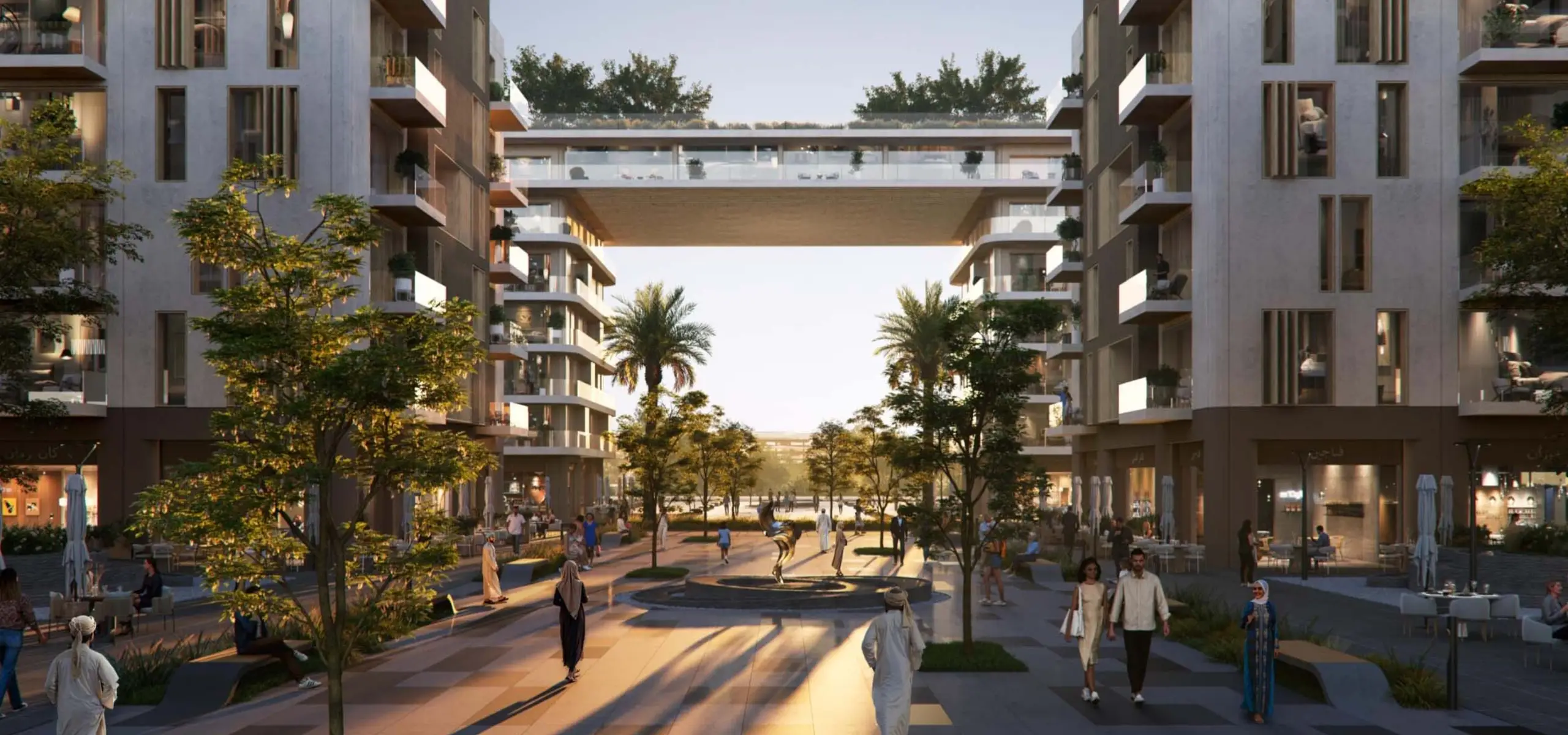
Residents at Wadi Zaha will have access to a fully equipped fitness centre and wellness spa, swimming pools, children’s play areas, retail and dining, cultural spaces, underground parking and landscaped central park frontage — all within a walkable, smart-home-enabled community. Homes feature light-filled interiors, private outdoor space, and views across the wadi, central park and surrounding mountains, with pedestrian-first streets, pocket parks and cycling paths supporting an outdoor, community-led lifestyle.
Wadi Zaha’s architecture, designed by SOM, blends modern architectural style with elements of Omani identity, distinguishing the neighbourhood from a purely generic international design language. This design approach reflects Sultan Haitham City’s broader ambition to create a distinctly Omani new capital rather than an interchangeable international masterplan.
Buyers considering a unit at Wadi Zaha should review the full Sale and Purchase Agreement carefully, paying particular attention to the payment schedule, specification list, the 2026–2027 handover target and any resale or cancellation clauses before signing. Buyers should also request Al Ahly Sabbour’s current construction progress reporting, given the neighbourhood’s strong sales momentum and the developer’s parallel commitments across Wadi Safa and Wadi Tala.
Purchasing follows Oman’s standard freehold process: a reservation agreement and 15% down payment secure the chosen unit and pricing, followed by the full Sale and Purchase Agreement setting out the instalment schedule, specification and handover date. Instalments follow through to the 2026–2027 handover target, after which buyers are invited to a snagging inspection before final acceptance and title registration with Oman’s Ministry of Housing and Urban Planning. Buyers pursuing the Golden Residency typically begin that process once title registration is complete.
Before committing to a unit at Wadi Zaha, buyers should confirm current pricing and availability for their preferred unit type, the exact instalment schedule across the four- to five-year plan, the target handover date, whether the purchase clears Oman’s Golden Residency threshold, and the current construction status of the neighbourhood. Working through this checklist with UInvest ahead of signing helps ensure the purchase aligns with both budget and delivery expectations.
Buyers at Wadi Zaha can choose between Al Ahly Sabbour’s own instalment-based payment plan or a mortgage from a bank operating in Oman that offers financing to non-resident freehold buyers within designated freehold zones. Given the 15% down payment and four- to five-year instalment structure, many buyers find the in-house payment plan competitive against external bank financing, though this should be compared against personal cashflow needs.
Owners intending to let their Wadi Zaha unit typically engage a local property management company to handle furnishing, listing, tenant turnover and maintenance. Given the neighbourhood’s family-oriented amenity mix — fitness centre, pools, play areas, cultural spaces — and central park frontage, units here tend to suit longer-term family and professional tenants drawn to Sultan Haitham City’s broader growth story.
Off-plan sales within Oman’s designated freehold zones, including Sultan Haitham City, operate under a regulated escrow framework: buyer instalments for a project under construction are held in a dedicated project escrow account, with funds released against verified construction milestones rather than paid directly to the developer up front. Buyers should confirm the specific escrow arrangement named in their Sale and Purchase Agreement and can request construction progress updates from UInvest at any stage ahead of the 2026–2027 handover.
Wadi Zaha is priced in Omani Rial, with figures also quoted in US Dollars. The Omani Rial has been pegged to the US Dollar at a fixed rate since 1986, removing currency risk for buyers converting from USD, AED or other Dollar-pegged Gulf currencies over the life of a multi-year payment plan.
As with other multi-unit freehold developments in Sultan Haitham City, Wadi Zaha will operate under an owners’ association responsible for maintaining shared infrastructure — the fitness centre and spa, swimming pools, underground parking and central park frontage — funded through an annual service charge set out in the Sale and Purchase Agreement. Buyers should confirm the current service charge rate directly with UInvest before signing.
Within Sultan Haitham City, Wadi Zaha stands out as the masterplan’s best-selling neighbourhood to date, distinct from Hay Al Wafa‘s larger 1,800-unit villa-and-apartment community and Yenaier Residences’ six-tower smart-living format. Buyers comparing Wadi Zaha against these sibling releases should weigh its central park frontage and demonstrated sales momentum against the scale of Hay Al Wafa or the tech-forward positioning of Yenaier — all share the same underlying freehold status and residency framework within the wider masterplan.
Compared with Al Mouj, Muscat’s largest and most established freehold district, Sultan Haitham City — and Wadi Zaha within it — offers meaningfully lower entry pricing but a much earlier stage of infrastructure delivery, since large parts of the masterplan remain under construction. Against Muscat Bay’s resort setting or Muscat Hills’ golf-course community, Wadi Zaha competes primarily on price, its central park position, and the scale of Oman’s government-backed new-capital development plan.
Published rental yield data specific to Wadi Zaha is not yet established given Sultan Haitham City’s earlier stage of infrastructure delivery. For broader context on Oman’s freehold rental market, see our guide to rental yields in Oman, and factor in the absence of recurring property tax that applies across all of Oman’s freehold developments.
With handover targeted for 2026–2027 and the neighbourhood already the best-selling project in Sultan Haitham City, buyers reserving now are entering ahead of the masterplan’s continued build-out and any resale premium that typically builds once a project’s phases reach completion. For a broader view of market timing across Oman’s freehold sector, see our guide on whether 2026 is a good time to buy property in Oman.
Wadi Zaha suits buyers prioritising one of the most affordable freehold entry points in greater Muscat, combined with a proven, well-capitalised developer and a demonstrated sales track record as Sultan Haitham City’s best-selling neighbourhood. It particularly suits longer-horizon investors comfortable with the masterplan’s earlier stage of infrastructure delivery in exchange for lower entry pricing and potential future appreciation. Buyers prioritising immediate access to established amenities are likely to find better-suited alternatives at Al Mouj, Muscat Bay or Muscat Hills.
UInvest maintains contact with Al Ahly Sabbour’s sales and project teams and can provide buyers with current construction progress updates, photography and any specification changes ahead of each instalment due date under the payment plan, helping off-plan buyers track delivery through to the 2026–2027 handover target.
Wadi Zaha sits just 12 to 15 minutes from Muscat International Airport, with direct expressway links to central Muscat, giving the neighbourhood some of the strongest connectivity of any Sultan Haitham City address. Combined with walkable access to planned schools, healthcare, retail and public transport, this positions Wadi Zaha favourably relative to less centrally located phases of the wider masterplan.
Beyond Wadi Zaha, Al Ahly Sabbour is developing Wadi Safa and Wadi Tala within Sultan Haitham City, together representing a combined investment of approximately OMR 440 million across more than 100 acres and over 3,500 residential units. This gives the developer one of the largest and most concentrated footprints within the entire masterplan, offering buyers who like Wadi Zaha’s positioning the option to explore sibling neighbourhoods from the same development team.
As one of Sultan Haitham City’s newest neighbourhoods, Wadi Zaha’s secondary resale market remains in its earliest stages, with limited historical transaction data available to reference when underwriting pricing. Buyers should treat resale liquidity as a longer-term consideration that will build as the neighbourhood reaches handover and early owners begin to resell, though its status as the masterplan’s best-selling project offers a stronger early liquidity signal than less successful sibling launches.
Studio and one-bedroom apartments suit buyers and investors prioritising the lowest entry price within Wadi Zaha, while two- and three-bedroom apartments and the neighbourhood’s garden duplexes, upper duplexes and villas suit families wanting more space and outdoor areas. Penthouses and separate villas sit at the top of the range, offering the strongest case for clearing Golden Residency investment thresholds. Buyers should compare specific unit type pricing directly with UInvest, since the full range spans a considerably wider price band than the studio entry point alone suggests.
Sultan Haitham City forms part of a broader shift in Oman’s freehold real estate market toward large-scale, government-anchored new-town developments, distinct from the tourism-led ITC model that produced destinations such as Al Mouj, Jebel Sifah and Hawana Salalah. This new-town approach prioritises long-term urban planning and lower entry pricing over immediate resort-style amenities, giving Wadi Zaha and its sibling neighbourhoods a different investment thesis: buyers are underwriting the future growth of an entire planned city rather than a single tourism-anchored resort district.
Choosing to live at Wadi Zaha today means accepting that much of the wider Sultan Haitham City masterplan remains under active construction — a trade-off that comes with lower purchase pricing but a different day-to-day experience than moving into an established district like Al Mouj. Early residents typically benefit most from Wadi Zaha’s own central park frontage and in-neighbourhood amenities — fitness centre, spa, pools, cultural spaces — while the broader masterplan’s schools, healthcare and retail infrastructure continues to build out over the coming years.
For international buyers converting from Gulf currencies such as the UAE Dirham, Saudi Riyal or Qatari Riyal, the Omani Rial’s long-standing peg to the US Dollar removes exchange-rate volatility across the full duration of Wadi Zaha’s multi-year payment plan, giving buyers budgeting certainty from reservation through to the 2026–2027 handover that is not guaranteed when purchasing in a freely floating currency market elsewhere in the region.
Wadi Zaha’s per-square-metre pricing ranges from roughly OMR 724 to OMR 925 depending on unit type, positioning it well below Al Mouj’s beachfront apartments and Muscat Bay’s cove-facing product, reflecting Sultan Haitham City’s broader status as Oman’s newest and most price-competitive large-scale masterplan. This pricing gap is the clearest expression of the trade-off buyers face across Muscat’s freehold market: lower cost today in exchange for a longer runway before the surrounding infrastructure fully matures.
Because Wadi Zaha is the best-selling project in Sultan Haitham City, buyers should specifically confirm which unit types and price points remain available, since strong sales momentum typically absorbs the most accessible entry-level units first. Buyers should also request Al Ahly Sabbour’s current construction progress reporting across all three of its Sultan Haitham City neighbourhoods — Wadi Zaha, Wadi Safa and Wadi Tala — to understand whether the developer’s broader delivery capacity is being stretched across multiple simultaneous launches.
Wadi Zaha’s walkable access to planned schools, healthcare and retail infrastructure under the Greater Muscat Structure Plan gives families a clearer picture of future amenity access than many off-plan developments offer at reservation stage. Buyers with children should confirm the current delivery timeline for this supporting infrastructure directly with UInvest, since school and healthcare facilities typically follow residential handover by a period of months to years in large-scale masterplans.
Buyers comparing Wadi Zaha against Al Mouj or Muscat Bay should weigh a clear trade-off: established ITCs offer operational infrastructure, deep rental and resale liquidity, and a proven track record of delivery, but at a meaningfully higher entry price. Wadi Zaha and Sultan Haitham City more broadly offer significantly lower entry pricing and the potential for stronger capital growth as the masterplan matures, but with less certainty around the exact pace of wider infrastructure delivery and a thinner current resale market. Buyers should choose based on their own risk tolerance and investment horizon rather than price alone.
Wadi Zaha’s pedestrian-first streets, pocket parks and dedicated cycling paths are a notable design feature for a masterplan of its scale, reflecting a growing emphasis on walkable, active lifestyle infrastructure within Oman’s newer freehold developments. Combined with the neighbourhood’s central park frontage, this design gives residents a genuinely different day-to-day living experience from Muscat’s more car-oriented established districts.
Ahead of final acceptance, Wadi Zaha buyers are invited to a snagging inspection where any finishing defects — from paintwork and tiling to fixtures and fittings — are logged and corrected by the developer before handover is formally completed. Non-resident owners should plan for this stage in advance, either by coordinating a personal visit to Oman or appointing a local representative to attend the inspection on their behalf.
For Muscat-based buyers, Sultan Haitham City’s position on the capital’s northern edge makes Wadi Zaha a practical option for those seeking a lower-cost primary residence closer to newer employment centres and infrastructure being developed alongside the masterplan, rather than a weekend or holiday-home purchase in the way Jebel Sifah or Hawana Salalah might appeal to Muscat residents seeking a coastal escape.
Investors weighing Wadi Zaha alongside Duqm’s Special Economic Zone should note a key legal distinction: Wadi Zaha offers genuine freehold title from the outset, while Maysan in Duqm currently operates on a 99-year leasehold pending future conversion. Both represent Oman’s freehold market expanding beyond Muscat’s original ITC model, but Wadi Zaha’s outright freehold status gives it a more straightforward ownership proposition for buyers who prioritise immediate, unambiguous full title.
Wadi Zaha is one of four freehold releases now open within Sultan Haitham City. Buyers comparing options within the same new capital district should also consider:
For the full picture of Sultan Haitham City’s masterplan, phasing and long-term outlook, see our complete Sultan Haitham City investor guide.
Yes. Wadi Zaha offers freehold ownership open to all nationalities, with residency eligibility for qualifying purchases.
Studio apartments start from OMR 48,125 (about USD 125,000), with one- and two-bedroom apartments, villas and other unit types priced up to approximately OMR 250,000 (about USD 650,000).
Yes — typically a 15% down payment followed by equal instalments over four to five years.
In Sultan Haitham City, Wilayat of Al Seeb, just 12 to 15 minutes from Muscat International Airport.
Wadi Zaha is developed by Al Ahly Sabbour, an Egyptian developer with over 30 years of experience and 50+ delivered projects, investing approximately OMR 90 million in the project.
Handover is targeted for 2026–2027; buyers should confirm the current construction timeline directly with UInvest before reserving.
A qualifying purchase supports an Investor Residency Card application, and higher-value units can apply for Oman’s 10-year Golden Residency, extendable to a spouse and dependent children.
A fitness centre and wellness spa, swimming pools, children’s play areas, retail and dining, cultural spaces, underground parking and landscaped central park frontage.
Yes — Wadi Zaha achieved approximately 80% of its OMR 28 million 2025 annual sales target, making it the highest-selling project in Sultan Haitham City.
Oman levies no capital gains tax and no recurring annual property tax on freehold residential real estate, and places no restriction on repatriating rental income or sale proceeds abroad.
Many international buyers complete the reservation and SPA signing remotely through a power of attorney arrangement coordinated with UInvest, though an in-person or video walkthrough visit ahead of final payment is recommended.
Yes — Al Ahly Sabbour is also developing Wadi Safa and Wadi Tala within Sultan Haitham City, together representing approximately OMR 440 million across more than 3,500 residential units.
Wadi Zaha offers one of Sultan Haitham City’s most compelling freehold propositions: an affordable entry price, the masterplan’s largest central park frontage, and a proven, well-capitalised developer backed by demonstrated sales momentum as the district’s best-selling neighbourhood. For buyers seeking early-stage exposure to Oman’s flagship new-capital project with market-validated demand, Wadi Zaha represents a genuinely compelling option. Read our full guide to Sultan Haitham City and the best areas to invest in Oman, browse all freehold properties in Oman, and contact UInvest for current unit availability, up-to-date pricing and a personalised comparison against Hay Al Wafa and Al Mouj before you reserve at Wadi Zaha.

"*" indicates required fields