




Best Museums in Turkey: Tickets, Hours and Passes (2026)
This guide to the best museums in Turkey covers 18 museums and museum sites, from the Istanbul Archaeological Museums and Topkapı Palace to Troy, Ephesus, Zeugma, Göbeklitepe and the Mevlana Museum in Konya. For each one it gives the location, a few named objects or periods, the ticket price for a foreign visitor in the currency the operator uses, the closed day and the opening hours, and it explains how the Ministry of Culture and Tourism’s museum passes work. Prices, hours and closed days were checked against official pages on 13 October 2026, and the few points that rest on press reports are attributed in the text. Prices and hours are revised from time to time, so the date matters.
The selection of best museums in Turkey is editorial and is not a ranking. A museum was included when an official page shows that it receives visitors, when its collection can be described from the museum’s own text, and so that each main region of the country is represented. One entry, the Antalya Museum, is closed for rebuilding and is included so that travellers do not plan a visit around it. Turkey’s museums are run by several different bodies, which is why tickets, closed days and cards differ from one place to the next, and the sections below say which body runs each site.
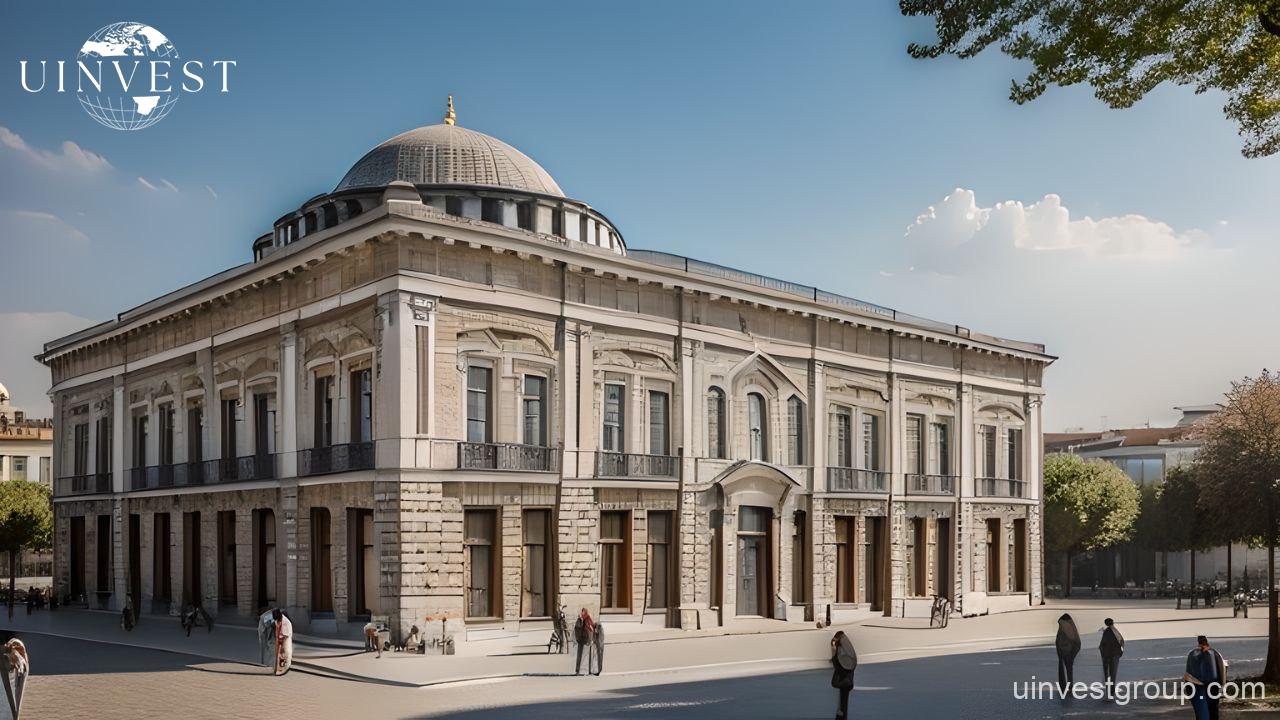
Best Museums in Turkey at a Glance
The table lists every museum covered in this guide. Euro prices are those shown on the Ministry’s tariff page for foreign visitors; lira prices are those on the operator’s own site. All were checked on 13 October 2026.
| Museum | City | What it holds | Foreign-visitor ticket (per ministry or museum site, checked 13 October 2026) | Closed day | Museum Pass? |
|---|---|---|---|---|---|
| Istanbul Archaeological Museums | Istanbul | Sidon sarcophagi, Museum of the Ancient Orient, Tiled Pavilion | €15 | None (open daily) | Yes |
| Topkapı Palace | Istanbul | Ottoman palace courts, Harem, Treasury, Holy Relics | 2,750 TL combined (palace, Harem, Hagia Irene) | Tuesday | — |
| Hagia Sophia Grand Mosque and Hagia Sophia History and Experience Museum | Istanbul | Byzantine building in use as a mosque; museum on its history | Gallery €25 (since 15 January 2024); museum €25 | Museum: none; mosque: visits pause for prayers | — |
| Museum of Turkish and Islamic Arts | Istanbul | Carpets, manuscripts, metalwork, ceramics, ethnography | €17 | None (open daily) | Yes |
| Istanbul Modern | Istanbul | Modern and contemporary art, photography | 1,000 TL | Monday | No |
| Pera Museum | Istanbul | Orientalist paintings, Anatolian weights and measures, Kütahya tiles | 450 TL (full price) | Monday | No |
| Sakıp Sabancı Museum | Istanbul | Paintings, calligraphy and book arts, temporary exhibitions | 450 TL (adult) | Monday | No |
| Rahmi M. Koç Museum | Istanbul | Industrial, transport and communication heritage | 1,000 TL (adult) | Monday | No |
| Museum of Anatolian Civilizations | Ankara | Palaeolithic to Urartian finds, classical periods | €12 | None (some halls closed to 2 March 2027) | Yes |
| Anıtkabir and its museum | Ankara | Atatürk’s mausoleum; museum of his belongings and the War of Independence | — | None (open daily) | — |
| Troy Museum and Troy archaeological site | Çanakkale | Finds from Troy; nine settlement layers on site | €27 (one ticket for both) | None (open daily) | Yes |
| Ephesus archaeological site and Ephesus Museum | Selçuk, İzmir | Roman-period city; sculpture and finds | Site €40; museum €10 | None (open daily) | Yes |
| Bodrum Museum of Underwater Archaeology | Bodrum | Shipwreck finds, amphorae, glass | €20 | None (open daily) | Yes |
| Antalya Museum | Antalya | Sculpture from Perge, coins, prehistoric finds (closed) | Closed to visitors | — | — |
| Zeugma Mosaic Museum | Gaziantep | Roman mosaics from Zeugma, including the “Gypsy Girl” | €12 | None (open daily) | Yes |
| Şanlıurfa Museum, Haleplibahçe Mosaic Museum and Göbeklitepe | Şanlıurfa | Neolithic finds, mosaics, Neolithic enclosures | Haleplibahçe €10; Göbeklitepe €20 | None (open daily) | Yes |
| Göreme Open Air Museum | Nevşehir | Rock-cut churches with wall paintings | €20 (Dark Church €6 extra) | None (open daily) | Yes |
| Mevlana Museum | Konya | Mevlana’s shrine and the dervish lodge | Free | None (open daily) | Not needed |
How to Plan a Visit to the Best Museums in Turkey
Planning is easier once you know who runs a museum, because the operator decides the price, the closed day and which cards are accepted. The Ministry of Culture and Tourism runs several hundred museums and archaeological sites and publishes one tariff for them on its museum and archaeological site fees page. Topkapı Palace and Dolmabahçe Palace belong to the National Palaces Administration, and Topkapı was attached to it by a presidential decree published in the Official Gazette on 6 September 2019, as the administration’s Topkapı page records. Hagia Sophia returned to mosque status in July 2020 and is under the Presidency of Religious Affairs. Anıtkabir is run by the military, and Istanbul Modern, the Pera Museum, the Sakıp Sabancı Museum and the Rahmi M. Koç Museum are foundation or private museums.
Opening hours and closed days
Ministry museums publish seasonal hours. The Ministry’s 2026 tourist-season announcement sets later closing times for the period from 1 May to 1 October 2026, for example 20:00 at the Troy Museum, 21:00 at the Ephesus site, 20:00 at the Museum of Anatolian Civilizations and 19:00 at the Zeugma Mosaic Museum and Göbeklitepe. After 1 October the individual museum pages show shorter days. On 13 October 2026 the Troy Museum page lists 08:30 to 17:30, the Ephesus site 08:00 to 18:00, the Istanbul Archaeological Museums 09:00 to 18:30 and the Göreme Open Air Museum 08:00 to 17:45. Each page also gives an earlier time for the ticket office, usually 30 to 60 minutes before closing, so the last entry is earlier than the closing time.
Most Ministry museums in this guide list no weekly closed day and show “open every day” on their pages. The exceptions are in the other groups. Topkapı Palace is closed on Tuesdays, Dolmabahçe Palace on Mondays, and Istanbul Modern, the Pera Museum, the Sakıp Sabancı Museum and the Rahmi M. Koç Museum are all closed on Mondays. Religious holidays and 1 January are handled museum by museum: Istanbul Modern, the Sakıp Sabancı Museum and the Pera Museum close on 1 January and on the first day of the religious holidays, the Rahmi M. Koç Museum also closes on the eve of the holidays and on 31 December, and Topkapı Palace’s page lists the first day of Ramazan Bayramı and 1 January as closed days. A Monday itinerary in Istanbul therefore leans on Ministry museums and Topkapı, and a Tuesday itinerary has to leave Topkapı out.
Tickets and where to buy them
The Ministry sells e-tickets for many of its museums on its E-Bilet page, and its pass products are listed on the same site. Sites such as Troy, Ephesus and Zeugma are also sold at the gate. The National Palaces Administration has a separate ticket page on which Turkish citizens buy a domestic e-ticket, and foreign visitors are directed to a “Foreign Visitor” ticket on the English version of the page. Istanbul Modern sells tickets through its own online ticket site. Ministry price tables have two groups of buyers: holders of a Turkish identity card, who enter free or with a MüzeKart, and foreign visitors, whose prices are set in euros. The private museums publish a single price list, and Istanbul Modern is the one that also lists a lower rate for residents of Türkiye.
MüzeKart, and a card for foreign residents
MüzeKart is the Ministry’s annual card for Turkish citizens. The Ministry’s ticketing directive also describes MüzeKart’99, a card issued to foreign nationals who hold a Turkish identity number beginning with 99 or 98. It admits the holder twice a year to each Ministry museum and is not valid at the Topkapı Harem, Hagia Irene, the Ephesus Terrace Houses, the Dark Church at Göreme, the Serçe Limanı glass-wreck hall at Bodrum, Sedir Island or the Istanbul Cinema Museum, nor at the National Palaces or the digital experience museums. The MüzeKart tariff lists MüzeKart’99 at 500 TL. Short-stay visitors use the euro-priced passes described in the next section instead.
Photography, bags and accessibility
Rules are set by each museum. Istanbul Modern’s visitor guide asks visitors to leave umbrellas, large bags and backpacks in the cloakroom, allows personal, non-commercial photography, and prohibits flash, tripods and selfie sticks. The National Palaces Administration bans weapons in its palaces, including for security personnel. The Ministry’s exemption list in its directive gives free entry to disabled visitors, with one companion for Turkish citizens; a foreign disabled visitor has no companion entitlement. The Pera Museum states that its entrance suits wheelchair users and that lifts serve all floors, and the Sakıp Sabancı Museum lists wheelchair access, lifts and adapted toilets. Anıtkabir has announced that it is being made accessible to disabled visitors.
Museum Pass Türkiye and Museum Pass Istanbul: Prices and Value
The Ministry sells five regional passes to foreign visitors, each valid for a fixed number of days from the first museum visit and each admitting the holder once to every museum or site. The amounts below are taken from the Ministry’s pass pages and match its MuseumPass tariff, which lists them in euros including VAT. Our earlier article explains the idea of the pass in general terms, and the figures here are the official ones as of 13 October 2026: see the Museum Pass explainer.
| Pass | Price | Validity | Coverage stated by the Ministry |
|---|---|---|---|
| MuseumPass Türkiye | €165 | 15 days | More than 350 museums and archaeological sites of the Ministry |
| MuseumPass Istanbul | €105 | 5 days | 13 Ministry museums in Istanbul |
| MuseumPass The Aegean | €95 | 7 days | More than 40 sites in İzmir, Aydın, Muğla and Denizli |
| MuseumPass The Mediterranean | €90 | 7 days | More than 40 sites in Antalya, Mersin, Adana and Denizli; not valid at the Hierapolis antique pool |
| MuseumPass Cappadocia | €65 | 3 days | More than 10 sites in Nevşehir and Aksaray |
The pass pages add several conditions. A pass is not valid for the Ministry’s night-museum sessions. With MuseumPass Türkiye or MuseumPass Istanbul, entry to the Galata Tower must be made no later than 18:14, and to the Istanbul Archaeological Museums and the Museum of Turkish and Islamic Arts no later than 18:45. The Ministry asks pass users to check on its website whether a museum is open, restored or closed. The Ministry’s map of the Istanbul pass marks the Istanbul Archaeological Museums, the Museum of Turkish and Islamic Arts, the Galata Tower, the Maiden’s Tower, Rumeli Fortress, the Galata Mevlevi Lodge, the Museum of the History of Science and Technology in Islam, the Adam Mickiewicz Museum and the Great Palace Mosaics Museum, which is closed. It also marks Topkapı Palace, its Harem and Hagia Irene, which are priced and sold by the National Palaces Administration, so pass holders should ask at the Topkapı ticket office what the pass covers there. The map does not mark Hagia Sophia, Istanbul Modern or the other private museums.
Whether a pass is worth buying is a matter of arithmetic with the tariff. In Istanbul, the Ministry’s fee table lists seven euro-priced entries in the pass area: the Galata Tower at €30, the Maiden’s Tower at €27, the Museum of Turkish and Islamic Arts at €17, the Istanbul Archaeological Museums at €15, the Museum of the History of Science and Technology in Islam at €10, the Galata Mevlevi Lodge at €7 and Rumeli Fortress at €6. The six dearest of these add up to €106, one euro more than the €105 pass, and all seven come to €112. A visitor who sees three of them, the Archaeological Museums, the Museum of Turkish and Islamic Arts and the Galata Tower, pays €62 at the gate, which is less than the pass. Topkapı Palace is left out of this sum because it is priced in lira by a different administration.
For the national pass the same method gives a longer chain. A 15-day itinerary of Troy at €27, Ephesus at €40, Göbeklitepe at €20, the Zeugma Mosaic Museum at €12, Göreme at €20, the Museum of Anatolian Civilizations at €12, the Bodrum Museum of Underwater Archaeology at €20 and the Istanbul Archaeological Museums at €15 totals €166, against €165 for MuseumPass Türkiye, so the pass breaks even at about eight such entries and costs less with more. The Cappadocia pass compares with five sites on the fee table, Göreme at €20, Zelve at €12, Kaymaklı at €13, Derinkuyu at €13 and the Ihlara Valley at €15, which come to €73 against €65. Itineraries with only two or three paid sites are cheaper without a pass.
Istanbul: Archaeology, Palaces and Art
The Istanbul entries in this list of the best museums in Turkey are the most numerous, and they fall into three clusters: the Sultanahmet and Gülhane area, Beyoğlu and Karaköy, and the Golden Horn and Bosphorus shores. Readers who want background on the city before choosing can read our Istanbul travel guide, which describes the districts and does not repeat ticket prices.
Istanbul Archaeological Museums
The Ministry’s page describes the complex as Turkey’s first museum, made up of the Archaeological Museum, the Museum of the Ancient Orient and the Tiled Pavilion, with nearly one million objects. Museum work began institutionally in 1869 with the Imperial Museum, and Osman Hamdi Bey became director in 1881. His excavation at Sidon in 1887 and 1888 brought a royal necropolis to Istanbul, and the page names the Alexander Sarcophagus, the Sarcophagus of the Weeping Women, the Lycian Sarcophagus and the Tabnit Sarcophagus among its finds. They are shown in the neoclassical main building by Alexander Vallaury, which opened in 1891. The Tiled Pavilion is dated to 1472 and shows Turkish tiles and ceramics, and the Ancient Orient museum occupies the former Academy of Fine Arts building of 1883.
The address is Alemdar Caddesi, Osman Hamdi Bey Yokuşu, Gülhane. The Ministry’s page lists the museum as open every day from 09:00 to 18:30, with the ticket office closing at 17:30. The foreign-visitor price on the fee table is €15 for the Archaeological Museum, the Museum of Ancient Oriental Works and the Tiled Pavilion together. An audio guide is available. The Ministry lists the Museum of Turkish and Islamic Arts among the museums nearby.
Topkapı Palace
According to the National Palaces Administration, Topkapı Palace was built for Mehmed II between 1460 and 1478 and took its present form through additions by later sultans. It became a museum on 3 April 1924, which the administration’s page calls the first museum of the Republic. The complex has four parts, ending with the sultan’s private quarters in the Harem. The Second Court holds the Imperial Council chamber, the Third Court the Audience Chamber and the Privy Chamber where the Holy Relics are kept, and the Fourth Court the Baghdad and Revan Kiosks.
The palace is closed on Tuesdays and its ticket office is open from 09:00 to 17:00. For foreign visitors the combined ticket, covering the palace, Hagia Irene and the Harem, is 2,750 TL and is valid for one day; the Harem and Hagia Irene are each sold alone at 1,050 TL. MüzeKart does not work in the Harem or at Hagia Irene. Dolmabahçe Palace, run by the same administration, is closed on Mondays and charges foreign visitors 2,000 TL for the Selamlık, the Harem and the Picture Museum together. Its page says it was built for Sultan Abdülmecid, that six sultans lived there from 1856 and that Atatürk stayed there between 1927 and 1938 and died there; our article on Beşiktaş covers the surrounding district.
Hagia Sophia: mosque, gallery and museum
Hagia Sophia’s status changed in July 2020. The Presidency of Religious Affairs’ statement of 14 July 2020 confirms its return to mosque status after a Council of State ruling and a presidential decision, and says that visits outside prayer times raise no religious objection if visitors observe mosque etiquette. Press reports of 15 January 2024 describe a ticket booth near the Fountain of Ahmed III where foreign visitors pay €25 to visit the gallery level, with separate entrances for worshippers and visitors, audio guidance in 23 languages by QR code, and headscarves on sale with the ticket. A report of 25 January 2024 adds that Turkish citizens could buy the gallery ticket from 22 January and that worshippers pay nothing.
Visitors are expected to follow mosque etiquette, which in practice means covered shoulders and knees and a head covering for women, and to plan around the five daily prayers. A separate building on Sultanahmet Square, the Hagia Sophia History and Experience Museum, presents roughly 1,700 years of the monument’s history in 13 halls with displays in 23 languages. It is open daily from 09:00 to 20:00, the ticket office closes at 19:00, and the Ministry’s price list gives the full ticket as €25. MüzeKart is not valid there.
Museum of Turkish and Islamic Arts
The museum occupies the Ibrahim Pasha Palace on the western side of Sultanahmet Square. By the Ministry’s account, Suleiman the Magnificent commissioned the palace in 1520 and gave it to his grand vizier Ibrahim Pasha, the museum first opened in 1914 in the imaret of the Süleymaniye complex, moved here in 1983, and reopened in 2014 after a restoration, on the hundredth anniversary of its first opening. The collection spans Umayyad, Abbasid, Seljuk, Mamluk, Timurid, Safavid, Ottoman and other periods, with glass, stone, terracotta, metal and ceramic objects. The page states that the rug collection is considered the best in the world and names rare 13th-century Seljuk carpets, and it adds that a courtyard hall shows the ethnography of daily life in 19th-century Istanbul and that a Holy Relics section holds works similar to those in Topkapı.
The foreign-visitor price is €17. The museum is open every day from 09:00 to 18:30, with the ticket office closing at 17:30, and it is among the museums covered by the Istanbul pass, with a latest pass entry of 18:45. The Blue Mosque and Sultanahmet Square lie next to it.
Istanbul Modern
Istanbul Modern describes itself as Turkey’s first museum of modern and contemporary art. Its history page records that it spent 14 years in a former warehouse, Antrepo No. 4, on the Karaköy and Tophane shoreline, moved to a temporary space in Beyoğlu in 2018, and opened a new building on the original site on 4 May 2023. The new building was designed by Renzo Piano Building Workshop and includes galleries, an auditorium, a library, education spaces and a rooftop terrace with views toward the Anatolian side and the Princes’ Islands. The museum has a main collection and a separate photography collection, a cinema and a shop.
On the museum’s visit page, opening hours are 10:00 to 18:00 from Tuesday to Thursday and on weekends, 10:00 to 20:00 on Fridays, and the museum is closed on Mondays. Entry ends 30 minutes before closing. The regular ticket is 1,000 TL, discounted tickets for students and visitors aged 65 and over are 650 TL, and residents of Türkiye pay 600 TL. Children aged 12 and under are free, and a free-entry hour from 10:00 to 14:00 applies on Thursdays to residents of Türkiye. The nearest public transport listed by the museum is the Tophane tram stop, 250 metres away, and the Karaköy pier at 800 metres.
Pera Museum
The Pera Museum opened in June 2005 in Tepebaşı, Beyoğlu, in a building completed in 1893 as the Bristol Hotel to a design by Achille Manoussos. According to the museum’s own history, the building later served as the head office of a bank before the Suna and İnan Kıraç Foundation had it rebuilt as a museum to a project by Sinan Genim. Its three permanent collections are Orientalist paintings by European artists depicting the Ottoman world from the 17th to the early 20th century, the Anatolian Weights and Measures collection of about 10,000 objects, and the Kütahya Tiles and Ceramics collection.
The visit page lists opening hours of 10:00 to 19:00 from Tuesday to Saturday, 10:00 to 22:00 on Fridays and 12:00 to 18:00 on Sundays, with closure on Mondays, on the first day of both religious holidays and on 1 January. The full ticket is 450 TL and the discounted ticket 250 TL, with no separate rate for foreign visitors. Children aged 12 and under, students on Wednesdays and everyone after 18:00 on Fridays enter free. The museum’s directions name the Şişhane station on metro line M2, about ten minutes’ walk away along Meşrutiyet Caddesi.
Sakıp Sabancı Museum
The museum stands in Emirgan on the Bosphorus. Its main building, the Atlı Köşk or “Mansion with the Horse”, was commissioned in 1925 by Prince Mehmed Ali Hasan of the Egyptian khedival family from the Italian architect Edoardo De Nari and finished in 1927. Hacı Ömer Sabancı bought it in 1951, the family donated it with its collections to Sabancı University in 1998, and with a new modern gallery it opened as a museum in 2002 and was expanded in 2005, as the museum’s about page explains. Its permanent displays are the painting collection and the arts of the book and calligraphy collection, the latter including a Qur’an by Hafız Osman Efendi dated 1682.
The visit page gives opening hours of 10:00 to 18:00 from Tuesday to Sunday, with the ticket office closing at 17:30, and closure on Mondays, on the first days of Ramadan and Eid al-Adha and on 1 January. Adult admission is 450 TL, the discounted price is 330 TL and the student price is 225 TL. Tuesdays are free, and children aged 12 and under, visitors with disabilities and one companion also enter free. The museum lists the temporary exhibition “Yoko Ono: Insound and Instructure” from 25 June to 27 December 2026.
Rahmi M. Koç Museum
The Rahmi M. Koç Museum in Hasköy, on the Golden Horn, presents industrial and transport heritage. The Mustafa V. Koç Building houses a communication instruments collection of telegraphs, telephones, phonographs, gramophones, cameras and television sets, with named objects such as an Edison standard phonograph, a Grammont telephone, a zoetrope and an Einstein letter. The museum also runs boat tours on the Golden Horn.
According to the hours and prices page, the museum is closed on Mondays, open from 09:30 to 17:30 from Tuesday to Friday and from 09:30 to 18:00 on weekends, and the last ticket is sold 30 minutes before closing. It closes on the eve and first day of the religious holidays and on 31 December and 1 January. The adult ticket is 1,000 TL and the student ticket 500 TL; the boat tour is 250 TL for adults and 150 TL for students. The museum’s access page lists the Hasköy pier for ferries, the Halıcıoğlu stop for the metrobus and the Kırmızı Minare stop for buses.
Ankara and Central Anatolia
The Ankara entries in this list of the best museums in Turkey are both run by state bodies. The Museum of Anatolian Civilizations belongs to the Ministry of Culture and Tourism, and Anıtkabir is run by the military.
Museum of Anatolian Civilizations
The museum occupies two restored Ottoman buildings beneath Ankara Castle, the Mahmutpaşa Covered Bazaar and the Kurşunlu Han. By the Ministry’s description, the first Ankara museum was founded in 1921 at the instigation of Atatürk to house Hittite finds, and the bazaar and han were converted when the space at the castle’s Akkale Bastion ran short; restoration ran from 1938 to 1968. The page says the museum received the title of European Museum of the Year in 1997. The upper hall shows material from the Palaeolithic, Chalcolithic, Early Bronze Age, Assyrian Trade Colonies, Hittite, Phrygian, Late Hittite and Urartian periods, and the lower level shows the classical periods and Ankara through the ages.
The address is Gözcü Sokak 2 in Ulus. The museum is open every day from 08:30 to 17:30, and the ticket office closes at 16:45. The foreign-visitor price is €12. The Ministry’s page states that the Ankara Hall and the Classical Hall are closed for maintenance from 14 September 2026 to 2 March 2027, so a visit during that period sees part of the exhibition. The museum has audio guides, and the Ministry’s text suggests combining the visit with the climb up Ankara Castle.
Anıtkabir and the Atatürk and War of Independence Museum
Anıtkabir is the mausoleum of Mustafa Kemal Atatürk. The official construction history records that work began on 9 October 1944 and finished on 1 September 1953. The Atatürk and War of Independence Museum lies beneath the hall of honour, covers about 3,000 square metres, and is entered through the door of the Misak-ı Millî Tower. The museum page describes four main sections: Atatürk’s personal belongings, panoramas and oil paintings of the Gallipoli battles and the War of Independence, vaulted galleries on the national struggle and the reforms, and a section of his books with his underlinings and notes.
The visiting-hours page says Anıtkabir is open every day, from 09:00 to 16:30 between 1 February and 14 May, to 17:00 between 15 May and 31 October, and to 16:00 between 1 November and 31 January. On 13 October 2026 the 17:00 closing time of the 15 May to 31 October period applies. Hours change on national holidays, which the site announces separately. Groups can book a free guide through the Anıtkabir Command’s protocol office, and a paid audio guide is available in six languages. The site’s pages carry the names of the Ministry of National Defence and the General Staff.
Aegean Coast and Troy
The western entries in this best museums in Turkey list share a pattern: a museum next to a large archaeological site, sold on one ticket or on a combined ticket valid for 72 hours. The combined tickets on the Ministry’s combined-ticket tariff include Troy with the Troy Museum and Assos at €38, and the Ephesus Museum with the Ephesus site, the Terrace Houses and the Church of St John at €65.
Troy Museum and the archaeological site of Troy
The museum stands at the entrance to the ancient city in Tevfikiye village, Çanakkale. The Ministry’s museum page gives an exhibition hall of 3,000 square metres and describes a tour that begins on a descending ramp, with niches that explain the layers of Troy through tombstones, sculptures and photographs. Its collection includes stone sculpture, sarcophagi, inscriptions, ceramics, metalwork, gold, weapons, coins, glass and ornaments. Hürriyet Daily News reported that the European Museum Forum, working under the Council of Europe’s auspices, gave it the 2020 European Museum of the Year Special Award, and that about 2,000 works are on display from a collection of about 41,000 pieces.
The archaeological site was first excavated by Heinrich Schliemann in 1871, and the Ministry’s text says its nine layers show more than 3,000 years of uninterrupted settlement, beginning in the Early Bronze Age between 3000 and 2500 BC. It was added to the UNESCO World Heritage List in 1998. Both pages list the same hours, 08:30 to 17:30, with ticket sales until 17:00 and no weekly closed day. A single ticket covers the museum and the site for €27.
Ephesus and the Ephesus Museum
Ephesus is on the Ministry’s tariff as two separate entries. The ancient city in Selçuk was a major Roman-period city, the capital of the province of Asia, and the Ministry’s page names the Prytaneion, the theatre, the Odeon, the Library of Celsus and the Agora among the visible remains. It is open every day from 08:00 to 18:00, and the foreign-visitor ticket is €40; the Terrace Houses cost €15 extra, and the Church of St John on Ayasuluk Hill is listed separately at €6. The page states that the ticket includes the Ephesus Experience Museum. UNESCO lists Ephesus on the World Heritage List.
The Ephesus Museum is in the town of Selçuk, at Uğur Mumcu Sevgi Yolu 26, and is open from 08:30 to 17:30. The foreign-visitor price is €10. The Ministry describes an “8,500-year journey” arranged by subject and find groups, with a fountain finds hall, a Terrace Houses hall, an ancient coins hall and halls for the Cybele cult and the Temple of Artemis. The named objects include the Resting Warrior, a statue of Marcus Aurelius, the Head of Eros and the Ephesian Artemis.
Bodrum Museum of Underwater Archaeology
The museum is inside Bodrum Castle, which the Knights of St John built in the early 15th century. According to the Ministry’s description, the museum has been open since 1964, holds underwater finds dating from the 16th century BC to the 16th century AD, and is the only museum in Turkey dedicated to underwater archaeology. Its halls cover shipwrecks of different periods, including the Late Bronze Age Uluburun wreck of the 14th century BC and the Serçe Limanı glass wreck, where the page describes a large group of glass from Syria and scrap glass collected for recycling a thousand years ago. The museum also holds an amphora collection that the Ministry places among the biggest in the world, a section on the early history of underwater archaeology in Turkey, and Mycenaean material from the Müsgebi Necropolis. Bodrum Castle was added to Turkey’s UNESCO Tentative List in 2016.
The museum is open every day from 08:30 to 17:30, with the ticket office closing at 17:00. The foreign-visitor ticket is €20; the Serçe Limanı glass-wreck hall is a separate €6 ticket, and a combined ticket for both costs €23. The Aegean pass covers the museum, and the Ministry’s tariff lists the Bodrum Mausoleum Monument Museum at €3.
Mediterranean and Antalya
The Mediterranean coast has one entry in this guide to the best museums in Turkey, and it is closed, so this section also lists the open sites around it.
Antalya Museum
The Antalya Museum is closed. The Ministry’s museum page says the museum has been closed to visits, and the Antalya Körfez newspaper reports that it closed on 16 July 2025, that the building was demolished in September 2025 because it was not earthquake-resistant, and that a larger museum is being built on the site. The Minister of Culture and Tourism has said it would reopen in 2026, the construction sign gives 26 December 2026 as the completion date, and the Ministry says the museum stays closed until the work is complete.
The Ministry’s page still describes the collection that was shown there: Neanderthal skeleton fragments from Karain Cave, sculpture from Perge, the Elmalı coins, the Weary Heracles reunited in 2011 with an upper half that had been smuggled abroad, and the Dancer sculpture. It states that the Council of Europe named the museum Museum of the Year in 1988 and that it received an Excellence Award in 2016. Meanwhile the fee table lists open sites in the province: Perge at €11, Aspendos at €15, Termessos at €3, the Side Museum at €5 and the Side archaeological site at €7, with a Side combined ticket of €10 on the combined tariff. The Mediterranean pass at €90 for seven days covers the Ministry’s sites in Antalya, Mersin, Adana and Denizli.
Southeast Anatolia: Gaziantep and Şanlıurfa
The southeast holds the entries on the best museums in Turkey list that deal with mosaics and the Neolithic period. All three Ministry sites below are open every day.
Zeugma Mosaic Museum
The Zeugma Mosaic Museum was built on a former tobacco factory site and opened in 2011. The Ministry’s museum page gives a total area of 30,000 square metres, 25,000 of them covered, in three blocks. Block A holds mosaics from the ancient city of Zeugma, Block B holds church floor mosaics of the Eastern Roman period from Gaziantep and its surroundings, and Block C is the administration floor. The collection includes 3,000 square metres of mosaic, 140 square metres of frescoes, four Roman fountains, a bronze statue of the god Mars, tomb stelae and sarcophagi. The Ministry’s text states that the museum has some of the world’s most significant mosaics in subject, colour and technique, which is a Ministry claim and not a ranking.
A well-known piece is the dining-room floor of the Maenad Villa, called the “Gypsy Girl” because of its large hoop earrings. The page says that 12 mosaic fragments once around it had been smuggled out of Zeugma in the 1960s and that the Ministry brought back the pieces shown at Bowling Green State University in the United States in 2018. The museum is open daily from 08:30 to 17:00, with the ticket office closing at 16:30. The foreign-visitor price is €12, and the nearby Zeugma site is €5.
Şanlıurfa Museum, Haleplibahçe Mosaic Museum and Göbeklitepe
Göbeklitepe is on a hill about 15 kilometres north-east of Şanlıurfa. The Ministry’s site page says that four layers have been excavated, that the main enclosures belong to the Pre-Pottery Neolithic A phase, and that T-shaped obelisks stand in circles joined by walls, some reaching five metres and carved with reliefs of animals including snakes, foxes, wild boar and birds. Four large structures have been uncovered, and geomagnetic surveys indicate at least 20. The site was inscribed on the UNESCO World Heritage List in 2018. The ticket is €20 and the site is open every day from 08:30 to 17:30.
The Ministry’s Şanlıurfa Museum page states that the museum has operated since 1965, moved to its present building in 2015, and has 14 main exhibition halls and 33 animation areas. It shows Palaeolithic finds, the Neolithic “Balıklıgöl Man” sculpture and finds from Göbeklitepe and Nevali Çori. The Haleplibahçe Mosaic Museum stands in the same garden. Its Ministry page describes mosaics preserved where they were found, among them the Villa of the Amazons, the Ktisis mosaic and a mosaic panel showing the life of Achilles. The Haleplibahçe ticket is €10, and the museum is open daily from 08:30 to 17:00.
Cappadocia and Konya
The two central Anatolian entries in this best museums in Turkey guide are both religious sites turned museums: the rock-cut churches of Göreme and the former dervish lodge of Konya.
Göreme Open Air Museum
The Ministry’s page places the origin of the Göreme monastic community in the 4th century AD and says monastic life continued here until the 13th century. The open air museum holds the Girls’ and Boys’ Monasteries, the churches of St Basil, Elmalı, St Barbara, the Serpent, the Malta Crusader, the Dark Church, St Catherine, Çarıklı and Tokalı. The churches are decorated in two techniques, painting directly on the rock and fresco-secco, and their subjects come from the Bible and the life of Christ. The site opened to visitors in 1967, and Göreme National Park and the Rock Sites of Cappadocia have been on the UNESCO World Heritage List since 1985.
The site is open every day from 08:00 to 17:45, and the ticket office closes at 17:15. The foreign-visitor ticket is €20, and the Dark Church has a separate €6 ticket. The Cappadocia pass at €65 for three days covers more than ten Ministry sites in Nevşehir and Aksaray. The Ministry’s page adds that holders of a Turkish identity MüzeKart can buy a night-museum ticket for 200 TL.
Mevlana Museum
The museum is the former Mevlana Dervish Lodge in Konya. By the Ministry’s description, its core is the shrine of Mevlana built in 1274, and the Semahane where the Sema rite is performed, the masjid, the cells, the kitchen and the shadirvan were added in the 16th century. After the Mevlevi lodges were closed in 1925 the building reopened in 1926 as the Ancient Monuments Museum, and it was renamed the Mevlana Museum in 1954. The text traces the spread of the Mevlevi order from Konya to Afyon, Kütahya, Muğla, Istanbul, Tokat and Erzincan and across the region from the Balkans to the Hejaz.
The museum is open every day from 09:00 to 17:00, the ticket office closes at 16:30, and on Mondays the ticket office opens at 10:00. Both the Ministry’s museum page and its fee table list admission as free for Turkish citizens and foreign visitors. An audio guide is available. The same table lists the Karatay Tile Museum in Konya at €3.
Suggested One-Day and Three-Day Museum Routes in Istanbul
The routes below turn the Istanbul entries of this best museums in Turkey guide into itineraries and group museums by area and by closed day. They use opening days, hours and ticket-office times from the sections above, and the only transport details are those the museums themselves publish.
| Route | Museums | Day-of-week limits | Transport or location notes |
|---|---|---|---|
| One day: Sultanahmet and Gülhane | Istanbul Archaeological Museums, Museum of Turkish and Islamic Arts, Topkapı Palace | Topkapı is closed on Tuesdays; the Archaeological Museums ticket office closes at 17:30 and Topkapı’s at 17:00 | The Archaeological Museums are in Gülhane; the Museum of Turkish and Islamic Arts is on Sultanahmet Square |
| Three days, day 1: Sultanahmet and Gülhane | Istanbul Archaeological Museums, Museum of Turkish and Islamic Arts, Topkapı Palace, Hagia Sophia gallery or History and Experience Museum | Same as above; Hagia Sophia visits pause for prayers | The History and Experience Museum is on Sultanahmet Square (09:00 to 20:00) |
| Three days, day 2: Beyoğlu and Karaköy | Pera Museum, Istanbul Modern, Galata Tower | Pera and Istanbul Modern are closed on Mondays; the Galata Tower is a Ministry site | Pera: Şişhane on metro line M2, about ten minutes’ walk; Istanbul Modern: Tophane tram stop at 250 metres |
| Three days, day 3: Golden Horn and Bosphorus | Rahmi M. Koç Museum, Sakıp Sabancı Museum, Dolmabahçe Palace | The two museums are closed on Mondays; Dolmabahçe is closed on Mondays too | Rahmi M. Koç: Hasköy pier, Halıcıoğlu metrobus stop or Kırmızı Minare bus stop |
| A Monday in Istanbul | Istanbul Archaeological Museums, Museum of Turkish and Islamic Arts, Topkapı Palace, Hagia Sophia History and Experience Museum | Only Ministry museums, Topkapı and Hagia Sophia are open | The private museums and Dolmabahçe are closed |
| A Tuesday in Istanbul | Archaeological Museums, Museum of Turkish and Islamic Arts, Pera, Istanbul Modern, Sakıp Sabancı | Topkapı is closed | The Sakıp Sabancı Museum is free on Tuesdays |
Museums by Interest
The table sorts the best museums in Turkey in this guide by subject, so that a reader can choose by interest instead of by city.
| Interest | Museums in this guide |
|---|---|
| Archaeology | Istanbul Archaeological Museums, Museum of Anatolian Civilizations, Troy, Ephesus Museum, Bodrum Museum of Underwater Archaeology, Şanlıurfa Museum and Göbeklitepe |
| Mosaics | Zeugma Mosaic Museum, Haleplibahçe Mosaic Museum, the gallery of Hagia Sophia |
| Modern and contemporary art | Istanbul Modern, Sakıp Sabancı Museum (temporary exhibitions), Pera Museum (temporary exhibitions) |
| Collections of Islamic and Ottoman art | Museum of Turkish and Islamic Arts, Sakıp Sabancı Museum, Pera Museum |
| Palaces | Topkapı Palace, Dolmabahçe Palace |
| Mosque and religious sites | Hagia Sophia Grand Mosque, Mevlana Museum, Göreme Open Air Museum |
| Industry and communication history | Rahmi M. Koç Museum |
| Republic and independence history | Anıtkabir and the Atatürk and War of Independence Museum |
Readers planning meals around a museum day can read our article on breakfast in Istanbul, readers choosing other destinations can read our article on five places in Turkey, and readers interested in accommodation can read our overview of hotels in Turkey. Readers comparing Istanbul districts can see our Istanbul page, and those interested in the housing market there can see our Istanbul apartments page.
Frequently Asked Questions
Which museum pass suits a trip to the best museums in Turkey, and what does it cost?
The Ministry sells MuseumPass Türkiye at €165 for 15 days, MuseumPass Istanbul at €105 for 5 days, MuseumPass The Aegean at €95 and MuseumPass The Mediterranean at €90 for 7 days, and MuseumPass Cappadocia at €65 for 3 days. Each pass starts at the first museum visit and admits the holder once to each museum or site. The arithmetic section above shows that a pass pays off only with a dense itinerary, for example six or more entries in Istanbul or about eight across the country.
Do foreign visitors and Turkish residents pay different ticket prices?
At Ministry museums the tariff has two columns: holders of a Turkish identity card, who enter free or with a MüzeKart, and foreign visitors, whose prices are in euros. Foreign nationals with a Turkish identity number starting with 99 or 98 can obtain MüzeKart’99. The National Palaces Administration lists separate domestic and foreign prices, and Istanbul Modern lists a lower price for residents of Türkiye. The Pera Museum, the Sakıp Sabancı Museum and the Rahmi M. Koç Museum publish one price list.
Which days are museums closed?
Topkapı Palace is closed on Tuesdays, Dolmabahçe Palace on Mondays, and Istanbul Modern, the Pera Museum, the Sakıp Sabancı Museum and the Rahmi M. Koç Museum on Mondays. The Ministry museums in this guide list no weekly closed day. The Mevlana Museum’s ticket office opens at 10:00 on Mondays. First days of religious holidays and 1 January are closures at several museums, as listed in the planning section.
Can I take photographs inside museums?
Each museum sets its own rule. Istanbul Modern allows personal, non-commercial photography without flash, tripods or selfie sticks. For the other museums, check the signs at the entrance and the ticket office.
What are the rules for visiting Hagia Sophia?
Hagia Sophia is a mosque, so visitors are expected to follow mosque etiquette, which in practice means covered shoulders and knees and a head covering for women. The Presidency of Religious Affairs has said that the building can be visited outside prayer times. Since 15 January 2024 foreign visitors reach the gallery level through a ticketed entrance at €25, and worshippers use separate entrances. The separate History and Experience Museum is open from 09:00 to 20:00.
How many days should I plan for museums in Istanbul?
The Istanbul pass is valid for five days, the Topkapı combined ticket for one day, and the Dolmabahçe combined ticket for one month. The routes above show that one day covers the Sultanahmet and Gülhane cluster and that three days add Beyoğlu, Karaköy and the Golden Horn and Bosphorus shores, with Monday and Tuesday closures shaping the order.
What do children pay?
At Ministry museums the exemption list gives free entry to foreign children aged 8 and under. The National Palaces Administration admits children aged 0 to 6 free. Istanbul Modern, the Pera Museum and the Sakıp Sabancı Museum admit children aged 12 and under free. The Mevlana Museum is free for everyone.
Are there free admission days?
Several museums have them. The Sakıp Sabancı Museum is free on Tuesdays and the Pera Museum is free for everyone after 18:00 on Fridays and for students on Wednesdays. Istanbul Modern is free from 10:00 to 14:00 on Thursdays for residents of Türkiye and on Tuesdays for residents aged 18 to 25. The Ministry exempts disabled visitors, press-card holders and ICOM, ICOMOS and UNESCO card holders, as its directive lists.
Last checked: 13 October 2026. Sources: Ministry of Culture and Tourism fee table, MuseumPass tariff, combined-ticket tariff, MüzeKart tariff, ticketing directive, 2026 season hours, MuseumPass Türkiye, MuseumPass Istanbul, Istanbul Archaeological Museums, National Palaces Administration, Topkapı, Presidency of Religious Affairs on Hagia Sophia, Hagia Sophia History and Experience Museum, Museum of Turkish and Islamic Arts, Istanbul Modern, Pera Museum, Sakıp Sabancı Museum, Rahmi M. Koç Museum, Museum of Anatolian Civilizations, Anıtkabir, Troy Museum, Ephesus, Bodrum Museum of Underwater Archaeology, Zeugma Mosaic Museum, Göbeklitepe, Göreme Open Air Museum, Mevlana Museum, UNESCO on Göbekli Tepe and Hürriyet on the Hagia Sophia ticket.


