- Developers Developers in Oman
 Muriya8 projects
 Dar Global7 projects
 Al Mouj Muscat5 projects
 OMRAN Group4 projects
 Al Osool2 projects
 Al Zaid Real Estate & Development (AZD)2 projects
 Diamond Developers2 projects
 Muscat Bay2 projects

 Wujha Real Estate Development2 projects
 Zain Property Development2 projects
 Adanté Realty1 project
 Al Ahly Sabbour1 project
 Al Nama Real Estate1 project
 Barr Al Jissah1 project
 Dar Arabia1 project
 Dream Villa1 project
 Eagle Hills Muscat1 project
 Maysan Properties1 project
 Mira Developments1 project
 Rozal Development1 project
 Sohar Real Estate Development (Majd)1 project
 Zen Development and Investment1 project




























Lubana Island, Amazi — Freehold Waterfront Residences in Hawana Salalah, Oman


For Sale
Lubana Island, Amazi, Hawana Salalah, Dhofar, Oman
Lubana Island, Amazi — Freehold Waterfront Residences in Hawana Salalah, Oman
Description
Lubana Island, Amazi — freehold lagoon villas at Hawana Salalah, Oman
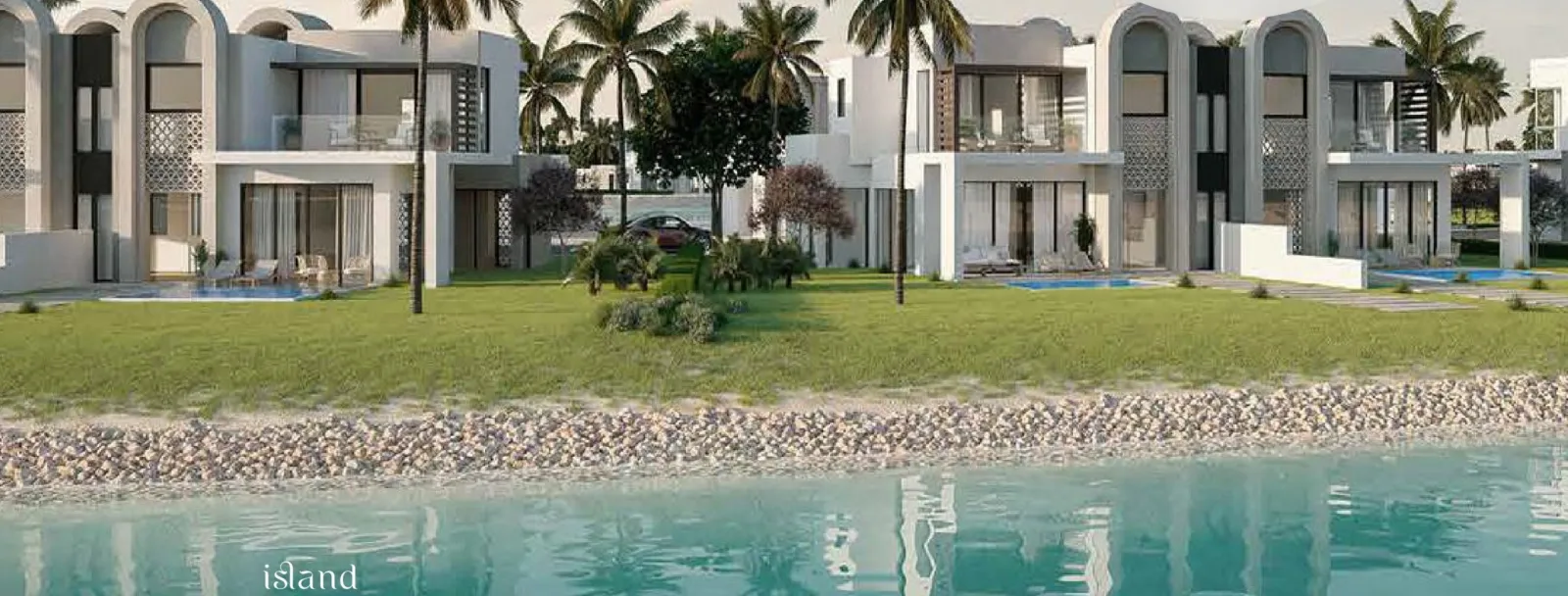
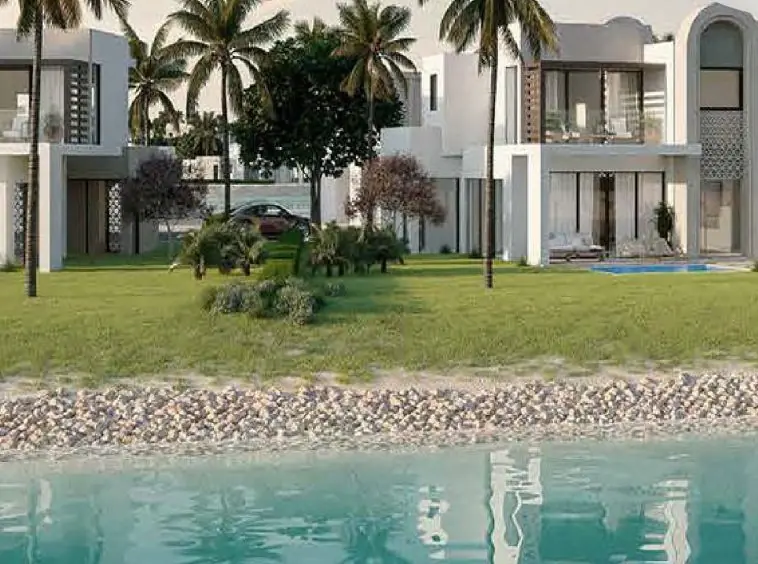
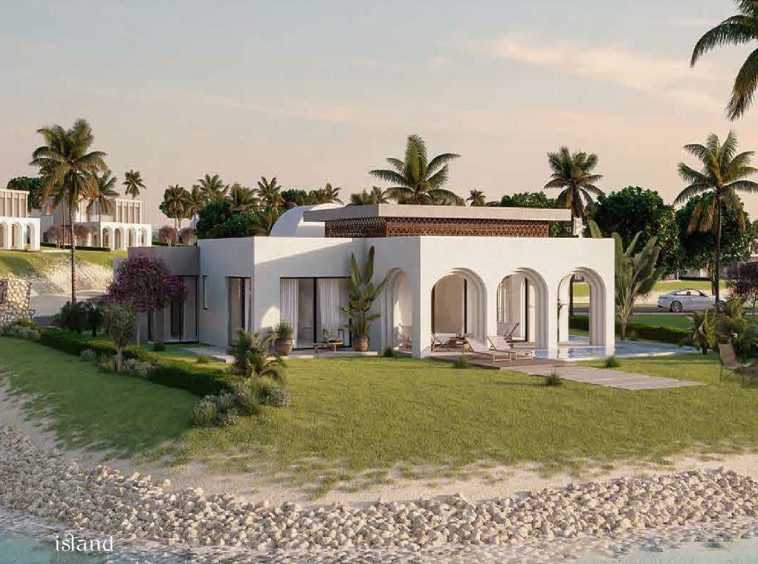
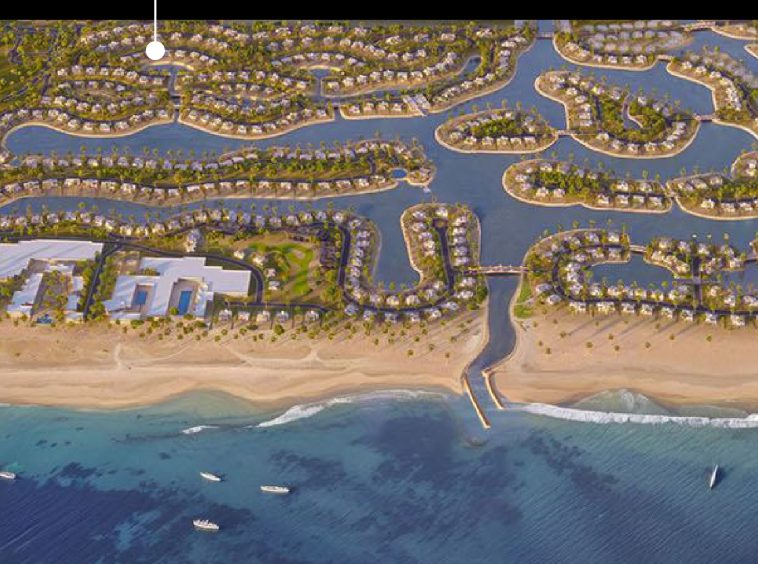
Lubana Island is a gated waterfront community inside Amazi, the residential quarter of Hawana Salalah — an Integrated Tourism Complex on Oman’s Dhofar coast, about 8 km west of Salalah city. The masterplan threads detached villas and connected chalets through a system of swimmable lagoons and navigable water canals, so that almost every home fronts water on at least one side. The name comes from lubān, the Arabic word for frankincense: the resin that made this coast wealthy two thousand years ago, and the stated design theme of the whole community.
Ownership is the first point to note. Hawana Salalah is a designated ITC, so foreign buyers here receive freehold title, as set out in the Key facts table below.
Key facts
| Project name | Lubana Island, at Amazi, Hawana Salalah |
| Developer | Muriya — the Omani joint venture of Orascom Development and Omran Group |
| Location | Hawana Salalah, Dhofar Governorate — about 8 km west of Salalah city |
| Setting | Inside an Integrated Tourism Complex, on a lagoon and canal system |
| Product | Detached villas, connected chalets and apartments — 1, 2 and 3 bedrooms |
| Sizes | 67 – 145 m² (721 – 1,561 sq ft) per the brochure |
| Available now | 5 units |
| Apartments from | $258,800 (about OMR 99,508) — 1-bedroom, from 721 sq ft |
| Villas from | $352,700 (about OMR 135,612) — from 926 sq ft |
| Completion | 2029 per the developer’s presentation |
| Payment terms | 10% on booking, then 7.5% every three months across three years (as published) |
| Tenure | Freehold — Hawana Salalah is a designated ITC |
Completion and handover
The developer’s presentation ends with a full-page statement, set in large type over a photograph of the Dhofar mountains: “The project will be ready in 2029.” The payment plan — 10% on booking, then 7.5% every three months for three years — is consistent with that date, and the contractual handover date is set out in the sale and purchase agreement together with the escrow arrangements that hold buyer funds.
Amazi is the wider residential district; according to Muriya’s September 2026 update its first phase is about 80% complete with handover due in Q1 2027 (Oman Observer, 3 September 2026), and the developer says Hawana Salalah has delivered more than 1,000 homes overall.
Freehold ownership and residency
Lubana Island sits inside an approved ITC, which determines the ownership and residency position.
Foreign freehold in Oman derives from Sultani Decree 12/2006, which permits non-citizen ownership inside approved Integrated Tourism Complexes. Hawana Salalah is one of them — an ITC in the Dhofar region, developed under licence and selling to international buyers. Title here is freehold, registrable, inheritable and sellable on the open market to another foreign buyer.
| Route | Requirement | Lubana Island |
|---|---|---|
| ITC freehold | Property inside an approved Integrated Tourism Complex | Yes — Hawana Salalah is a designated ITC |
| Golden Residency (10 years) | A single ITC property worth OMR 200,000 or more; decided by the Royal Oman Police | Units at or above OMR 200,000 — see the calculation below |
| Owner Visa (ROP Decision 87/2026) | Property ownership; no minimum value stated | No minimum value |
The Golden Residency threshold is a single ITC property worth OMR 200,000 or more. OMR 200,000 is about $520,160. At the apartments’ rate of roughly $359 per square foot, that implies about 1,449 sq ft; at the villas’ roughly $381 per square foot, about 1,365 sq ft. Applied to the unit range:
- The entry apartment at $258,800 (OMR 99,508) is priced below OMR 200,000.
- The entry villa at $352,700 (OMR 135,612) is priced below OMR 200,000.
- For the ten-year Golden Residency, the relevant units are the larger three-bedroom villas near the top of the range, with the qualifying value confirmed in writing at reservation.
The threshold applies to the value of the individual property, not to the status of the scheme, and the decision is made by the Royal Oman Police. Title registration is made through the Ministry of Housing and Urban Planning, and independent Omani legal advice is available on which residency route a specific purchase supports.
The two residency routes in practice
Golden Residency is the ten-year route. It looks at a single ITC property worth OMR 200,000 or more, and the Royal Oman Police makes the decision. Two smaller purchases are not added together, so the figure that counts is the contract price of one unit.
The Owner Visa, described on our listings as covered by Royal Oman Police Decision 87/2026, has no minimum property value and needs no sponsor. It is tied to the property and ends if the property is sold. The entry apartment at OMR 99,508 and the entry villa at OMR 135,612 are priced below OMR 200,000, so the Owner Visa matches those price points, while a larger unit whose contract price is at or above OMR 200,000 may be assessed by the Royal Oman Police for Golden Residency. Neither route is granted by the project itself; each depends on the unit and on the applicant.
The residences
Lubana Island offers detached villas and connected chalets in one, two and three bedrooms, plus apartments. Every home is oriented towards water, with a private garden and courtyard designed to take sun loungers beside a plunge pool or a barbecue setting. The developer describes the interior transition as deliberately soft — floor-to-ceiling glazing, milky-toned finishes, and gardens that read as an extension of the living space rather than a boundary.
| Type | Size | Equivalent | From | Per sq ft |
|---|---|---|---|---|
| 1-bedroom apartment | from 721 sq ft | 67 m² | $258,800 (OMR 99,508) | about $359 |
| Villas / chalets | from 926 sq ft | 86 m² | $352,700 (OMR 135,612) | about $381 |
| 2-bedroom villa (worked example) | 110 m² built-up | 1,184 sq ft, on a 545 m² plot | — | — |
| Brochure layout, 145 m² | 145 m² | 1,561 sq ft | — | — |
The single dimensioned plan in the brochure is worth studying, because it tells you what “villa” means here. The two-bedroom villa is 110 m² of built-up area on a 545 m² plot — a compact single-storey house on a plot roughly five times its footprint. That ratio is a feature of the product: the land, the garden and the water frontage come in addition to the internal area. The brochure gives 110 m² built-up against a 545 m² plot.
Unit by unit: a closer look at the numbers
The tables on this page give four reference points. Five units are available at present, so these rows describe the range rather than a fixed list of addresses.
- Entry apartment: a one-bedroom of 721 sq ft (67 m²) from $258,800, or about OMR 99,508. That is about $359 per sq ft, or roughly OMR 1,485 per m².
- Entry villa or chalet: 926 sq ft (86 m²) from $352,700, or about OMR 135,612. That is about $381 per sq ft, or roughly OMR 1,577 per m².
- Two-bedroom villa: 110 m² built-up (1,184 sq ft) on a 545 m² plot, the worked example in the residences table.
- Brochure layout: 145 m² (1,561 sq ft).
The entry villa is 205 sq ft larger than the entry apartment, and the two entry prices differ by $93,900, or about OMR 36,104. Against the OMR 200,000 line (about $520,160), the entry apartment is about 50% of that figure and the entry villa about 68%. At the quoted rates, OMR 200,000 corresponds to about 1,449 sq ft of apartment or about 1,365 sq ft of villa. UInvest Group can obtain the unit-level prices for these two layouts.
Pricing
All conversions use 1 OMR = 2.6008 USD. The entry prices are $258,800 (about OMR 99,508) for the one-bedroom apartment and $352,700 (about OMR 135,612) for the villa or chalet.
Pricing reflects the private plot — 545 m² of private land in the worked example — the water frontage, the freehold title and a functioning resort with hotels, a marina and a beach club already operating around it.
Financing
Omani banks lend to non-residents at roughly 70% loan-to-value at around 6.00% a year, with benchmarks published by the Central Bank of Oman; which banks lend on this project, and on what terms, is confirmed at reservation.
Payment plan
The published payment terms are:
| Stage | Share | Timing |
|---|---|---|
| 1st payment | 10% | On booking |
| 2nd – 12th payments | 7.5% each | Every three months, across three years |
The plan offers three years of interest-free quarterly instalments, with no bank involved, on freehold title. The full schedule, with dates and amounts, is set out in the sale and purchase agreement. The booking payment is 10%, and each of the eleven later instalments is 7.5%.
A worked payment example
The published plan has twelve payments: 10% on booking, then eleven instalments of 7.5%, one every three months. The table applies it to the two entry prices on this page. The figures are illustrative and rounded; the sale and purchase agreement sets out the actual schedule.
| Payment | Share | Entry apartment | Entry villa |
|---|---|---|---|
| Booking | 10% | about OMR 9,951 ($25,880) | about OMR 13,561 ($35,270) |
| Each quarterly instalment | 7.5% | about OMR 7,463 ($19,410) | about OMR 10,171 ($26,453) |
| Eleven instalments together | 82.5% | about OMR 82,094 ($213,510) | about OMR 111,880 ($290,978) |
| All twelve payments together | 92.5% | about OMR 92,045 ($239,390) | about OMR 125,441 ($326,248) |
The eleven quarterly instalments after the booking run for 33 months, inside the three-year window the plan describes. For the entry apartment a quarterly instalment of about OMR 7,463 is roughly OMR 2,488 a month; for the entry villa, about OMR 10,171 is roughly OMR 3,390 a month. The twelve payments add up to 92.5% of the price, and the agreement states how the rest is scheduled.
Location: Hawana Salalah
Hawana Salalah occupies about 7 km of white-sand beach on the Dhofar coast west of Salalah city, with the Indian Ocean on one side and the Dhofar mountains behind. Lubana Island sits within it, on the lagoon system towards the eastern end of the resort. The table below gives distances from Lubana Island to the main destinations.
| Destination | Distance |
|---|---|
| Fanar Hotels & Residences | 3 minutes (per the brochure) |
| Salalah city centre | about 7.9 km |
| Salalah International Airport | 20 to 30 minutes by road |
| Taqah Long Beach Boutique | about 39 km |
| Taqah town | about 41 km |
| The Sea Front Residences | about 42 km |
| Sumhuram / Khor Rori | about 45 km |
| Wadi Darbat | about 47 km |
| Mirbat | about 72 km |
What is already built around it
Hawana Salalah is an operating resort, and a buyer at Lubana is joining infrastructure that already exists:
| Component | Detail |
|---|---|
| Beachfront | About 7 km of white sand with coconut palms |
| Marina | 171 berths according to the Hawana Salalah resort site |
| Hotels | Five-star hotels including Fanar Hotels & Residences and Juweira Boutique Hotel |
| Water park | Approximately 65,700 m² |
| Residential districts | Eight, of which Amazi is one |
| Homes delivered | More than 1,000 across the resort |
Day-to-day amenities nearby include Simba’s Kids Club, Good Source Market, Marina Mart, Breakers Restaurant, Cocos Bar and Zanzi Bar, all within about six or seven minutes by car. The marina, hotels and water park in the table above belong to the same resort.
Why Dhofar draws buyers
Dhofar has a distinct summer season. From roughly June to September the khareef — the Indian Ocean monsoon — turns the mountains behind Salalah green, drops temperatures into the low twenties, and brings hundreds of thousands of Gulf visitors escaping the summer heat. The developer’s own presentation highlights this, describing Salalah as the southern “Maldives” of Oman and citing its placement among the world’s notable destinations in international travel rankings.
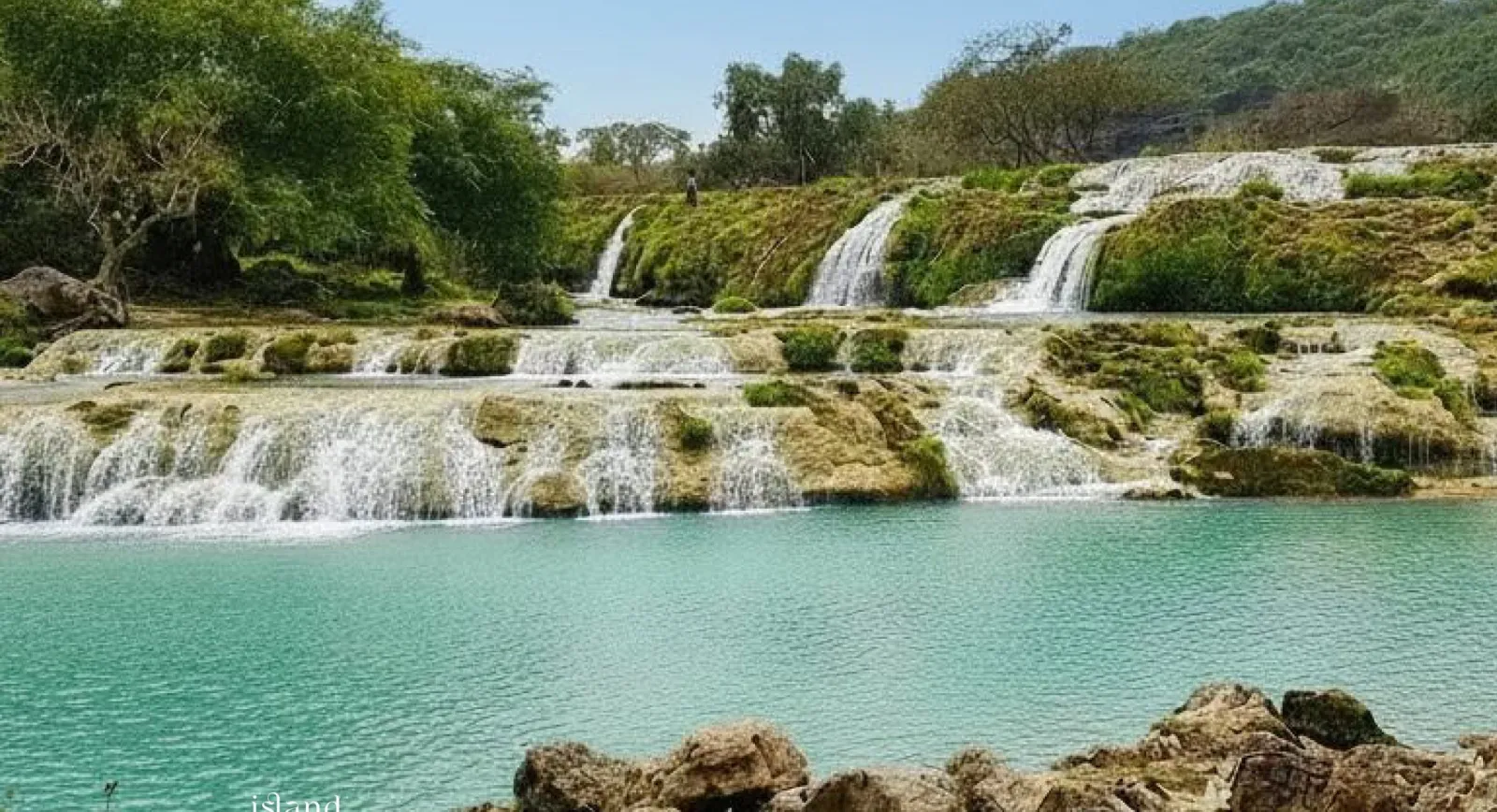
Nearby sites are listed in the distance table above. Wadi Darbat, about 47 km east, fills with waterfalls and lakes during and after the khareef. Sumhuram at Khor Rori forms part of the UNESCO “Land of Frankincense” inscription — the third-century-BC port from which the resin that gives Lubana its name left for the ancient world. Al Husn Palace, the 18th-century Sultan’s palace, stands in Salalah itself. Regional tourism information is published by Experience Oman and policy by the Ministry of Heritage and Tourism.
Getting around Hawana Salalah and the coast
The distances on this page fall into three bands. Inside the resort, Fanar Hotels & Residences is a three-minute journey and the everyday amenities are six or seven minutes away by car. Towards the city, Salalah centre is about 7.9 km away and the airport is 20 to 30 minutes by road. Along the coast and inland, the listed destinations run from Taqah Long Beach Boutique at about 39 km, Taqah town at about 41 km and The Sea Front Residences at about 42 km, through Sumhuram / Khor Rori at about 45 km and Wadi Darbat at about 47 km, to Mirbat at about 72 km.
Amenities
Lubana’s own amenities are built around water, and the resort adds a second layer around them. The table below lists the provision by category.
| Category | Provision |
|---|---|
| Water | Swimmable lagoons, navigable canals for kayaking, swimming pool with terrace |
| Private outdoor | Private gardens and courtyards to every residence; backyards on the villa product |
| Wellness | Wellness centre with modern gym and spa |
| Social | Clubhouse, beach club |
| Sport | Water sports centre |
| Wider resort | Marina, hotels, water park, restaurants and bars across Hawana Salalah |
| Finishes | White slabs, wood-textured and slatted panels, glass balcony railings, floor-to-ceiling windows, milky-toned interiors |
The lagoons are swimmable water bodies with canals that can be paddled, not ornamental water. That is what produces the “island” in the name, and it is why almost every plot has a water edge.
Ownership costs explained
A service charge is the annual contribution each owner makes towards the upkeep of the shared parts of a community. In Oman it is normally quoted in rials per square metre per year, and the sales documents set out the rate, the billing base (built-up area or plot area) and what the charge covers. For Lubana Island the lagoons and canals, the pool, the clubhouse and the wellness centre are the items a budget describes, and UInvest Group can obtain the figure on request.
On other Muriya schemes the quote is built in layers; the Raya listing, for example, notes a villa charge, a scheme charge and a master-community charge. The Amazi listing for the wider district notes VAT of 5% on a first sale from the developer and a 3% transfer fee, and the paperwork for a Lubana unit states which charges apply.
The page shows prices in US dollars with Omani rial equivalents. The rial is pegged at OMR 1 = USD 2.6008, so OMR 1,000 equals $2,600.80 and $1,000 equals about OMR 384. A SWIFT confirmation of each transfer to the escrow account is kept for the buyer’s records.
The developer
Two names are attached to this project: Muriya and Orascom Development.
Muriya is the developer of record in Oman — a joint venture between Orascom Development and Oman’s government-backed Omran Group, created to build the Sultanate’s integrated tourism destinations. Muriya’s two ITCs are Hawana Salalah in Dhofar and Jebel Sifah near Muscat.
Orascom Development has been building integrated resort destinations since 1989. Its portfolio spans Europe, the Middle East and North Africa, with a land bank of more than 100 million m² and a hospitality arm of 34 hotels and over 7,000 rooms. Its destinations include El Gouna in Egypt, Andermatt in the Swiss Alps and Luštica Bay in Montenegro, alongside the two Omani ITCs.
You can see the same developer’s work at Jebel Sifah in our listings for Rihanna, Solar Residences and Olive Farms, and in the Jebel Sifah land plots and Salalah land plots.
More about Muriya and its partners
Muriya Tourism Development was established in 2006, according to the company’s own boilerplate, as a partnership between Orascom Development Holding (70%) and Oman Tourism Development Company, known as OMRAN (30%), the state tourism arm. The Hawana Salalah record includes the 400-room Salalah Rotana Resort, opened in April 2014, and the 302-room Fanar Hotel and Residences. Handovers at Hawana Lagoons, with 260 apartments and twin houses, began in August 2019. In September 2026 Muriya put its cumulative investment in Oman at more than $750 million.
The full profile is on our Muriya developer profile, and the developer directory sets ten developers side by side.
How it compares
| Development | Setting | Tenure | Completion | Character |
|---|---|---|---|---|
| Lubana Island | Hawana Salalah, Dhofar | ITC freehold | 2029 per developer presentation | Lagoon villas and chalets in an operating resort |
| Amazi, Hawana Salalah | Hawana Salalah | ITC freehold | — | The wider residential district Lubana sits inside |
| Rihanna, Jebel Sifah | Jebel Sifah, near Muscat | ITC freehold | — | The same developer’s Muscat-side ITC |
| Mandarin Oriental Residences | Shatti Al Qurum, Muscat | ITC freehold | Ready | Branded, furnished, move-in ready |
| Bellevue, Al Mouj | Al Mouj, Muscat | ITC freehold | — | Marina community |
| Al Mina, Barr Al Jissah | Barr Al Jissah, Muscat | ITC freehold | — | Cove-side resort community |
| Nismat Zain | Sur, coastal | Surooh programme | Q4 2033 | Citizen housing |
Within Dhofar, Lubana Island is an ITC freehold option: land, water frontage, a functioning resort and a title that can be registered, sold and passed on. The entry prices of the Muriya projects are set out in the table below.
Muriya’s other projects on our site
Lubana Island shares its payment structure with the other Muriya schemes listed here. The table gives each project’s entry price, plan and handover date as they appear on our own pages.
| Project | Location | Entry price | Payment plan | Handover on our page |
|---|---|---|---|---|
| Lubana Island | Hawana Salalah | OMR 99,508 ($258,800) | 10% on booking, 7.5% every three months for three years | 2029 per the developer’s presentation |
| Amazi | Hawana Salalah | OMR 78,000 ($202,862) | 10% on booking, 7.5% every three months for 36 months | Q1 2027 for the first phase, per Muriya |
| Rihanna | Jebel Sifah | OMR 189,200 ($492,071) | 10% on booking, then ten quarterly instalments of 7.5% | Q4 2027 |
| Solar Residences | Jebel Sifah | OMR 50,000 ($130,040) | 10% on booking, then ten quarterly instalments of 7.5% | Q4 2027 |
| Olive Farms | Jebel Sifah | OMR 75,000 ($195,060) | 10% on booking, 7.5% every quarter for three years | Q4 2028 |
Every Muriya product on our site is freehold inside an ITC. Within Amazi, the three-bedroom villa at OMR 214,000 and the four-bedroom villa at OMR 321,000 are priced at or above OMR 200,000, as are the land-plus-villa releases from OMR 500,000.
Rental outlook
Lubana’s letting case rests on a structural point: it sits inside an operating resort with hotels, a marina, a beach club and a water park already drawing visitors. A short-let owner here rents into the visitor demand that Hawana Salalah generates.
The khareef is the peak season. June to September fills Dhofar with Gulf families, and short-let rates in the Salalah area rise through it. A two- or three-bedroom villa with a private garden and a lagoon frontage suits that market — family groups, staying a week or more, for whom the plot and the water access are the product.
Model net rent after service charge, management, voids and seasonality rather than from peak nightly rates. Oman levies no personal income tax on rental earnings; official statistics come from the National Centre for Statistics and Information and investor incentives from Invest Oman.
Who the home suits
Families. One-, two- and three-bedroom layouts, a private garden and courtyard with every home, swimmable lagoons and a kids’ club six or seven minutes away by car give a family plenty of outdoor space.
Second-home owners. The airport is 20 to 30 minutes by road, and the resort around the community is already operating. The khareef, from roughly June to September, brings temperatures in the low twenties.
Investors. The page suggests modelling net rent after service charge, management, voids and seasonality rather than from peak nightly rates. Ask at reservation for the resort’s letting programme and its charges.
Retirement. A compact single-storey villa with a garden, a wellness centre with gym and spa, and restaurants in the same resort suit a quieter routine. The Owner Visa has no minimum property value; whether a purchase supports a residency route depends on the unit and the applicant.
Why Oman
Dhofar is the southern governorate of Oman. Numbeo‘s indices publish crime and safety data for the Sultanate, the developer’s own presentation says living costs run below neighbouring Gulf states, and there is no personal income tax on rental earnings. Salalah International Airport, 20 to 30 minutes away by road, connects the region to the Gulf and to seasonal international routes. General country information is published at oman.om and current affairs by the Times of Oman.
How buying works, step by step
The sequence below describes the normal path for an off-plan purchase at a licensed Omani development.
- Reserve a unit. The reservation form sets out the unit number, built-up area, plot area and price, with the 10% booking payment.
- Review the agreement. It states the contractual handover date (2029 per the developer), the payment schedule and the escrow details.
- Pay into escrow. Royal Decree 79/2025, issued on 10 September 2025 and in force 180 days after publication, provides for a Ministry of Housing and Urban Planning licence, a separate escrow account for each project with withdrawals tied to approved construction phases, and an owners’ association.
- Follow the instalments. After the booking payment, 7.5% falls due every three months, on the dates in the schedule.
- Handover and snagging. At handover, buyers normally agree a snagging period and a written defects liability term, and receive a list of what is included in the unit.
- Register the title. Registration is made through the Ministry of Housing and Urban Planning; the paperwork states who registers it, when, and at what cost.
- Connect utilities. Once the home is handed over, the household accounts are set up.
What to prepare when reserving
These are the documents and details a buyer normally receives or confirms when reserving:
- The unit: Apartment or villa, number of bedrooms, plot and water frontage, with built-up area and plot area stated as two separate figures.
- Handover date: The contractual handover date, set out in the sale and purchase agreement (2029 per the developer).
- Payment schedule: The full schedule with dates and amounts.
- Escrow account: Bank name, account holder and the regulated account that receives buyer funds.
- Service charge: The rate, what it covers, how the lagoons and canals are maintained and funded, and how the community is governed.
- Golden Residency: Confirmation of the unit’s value against the OMR 200,000 single-property threshold; the decision rests with the Royal Oman Police.
- Financing: Which banks lend on this project and on what terms.
- Rental management: The resort’s letting programme, its charges and the occupancy achieved.
Glossary of terms used on this page
- ITC: an Integrated Tourism Complex, an approved development in which non-Omanis may own property under Sultani Decree 12/2006.
- SPA: the sale and purchase agreement, which records the unit, price, payment schedule, handover date and escrow details.
- Escrow account: a regulated project account that receives buyer payments, with withdrawals tied to approved construction phases.
- Snagging: the inspection around handover in which finishing items are listed for the developer to complete.
- Service charge: the annual contribution towards shared parts of the community, quoted per square metre per year.
- Golden Residency and Owner Visa: the ten-year route for one ITC property worth OMR 200,000 or more, and the owner route with no minimum value.
Frequently Asked Questions
What payment plan does Lubana Island offer?
10% on booking, then 7.5% every three months across three years. On the entry apartment that is about OMR 9,951 on booking and about OMR 7,463 per instalment.
Which Lubana Island units are priced below OMR 200,000?
The entry apartment at OMR 99,508 and the entry villa at OMR 135,612. UInvest Group can provide prices for the larger layouts on request.
Does the Owner Visa have a minimum property value?
No. Golden Residency, by contrast, applies to a single ITC property worth OMR 200,000 or more.
When is the handover for Lubana Island?
The developer’s presentation gives 2029, and the contractual date is set out in the sale and purchase agreement. For the wider Amazi district, Muriya gave Q1 2027 for the first phase in September 2026.
Enquire about Lubana Island
UInvest Group works directly with developers across Oman. On Lubana Island we can obtain current availability across the five remaining units, the built-up and plot areas of each in Omani riyals, the contractual completion date, the service-charge figure, the full payment schedule, and written confirmation of whether your specific unit reaches the Golden Residency threshold.
If freehold in Dhofar is the requirement, this and the wider Amazi district at Hawana Salalah are ITC freehold options, with the same developer’s Jebel Sifah community as the Muscat-side equivalent. Other options in the capital include the move-in-ready Mandarin Oriental Residences and the marina communities of Al Mouj and Barr Al Jissah.
Features
- Air Conditioning
- Beach Access
- Marina Access
- Resort Amenities Access
- Swimming Pool
- Waterfront / Lagoon Views
- Watersports Facilities
- WiFi
Contact Information

- uinvest
Enquire About This Property
Property Inquiry
"*" indicates required fields