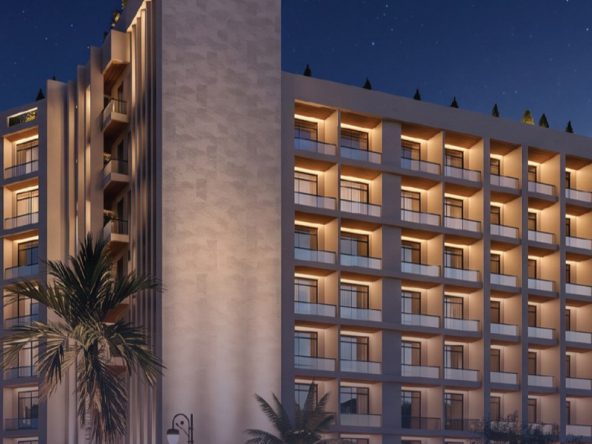




























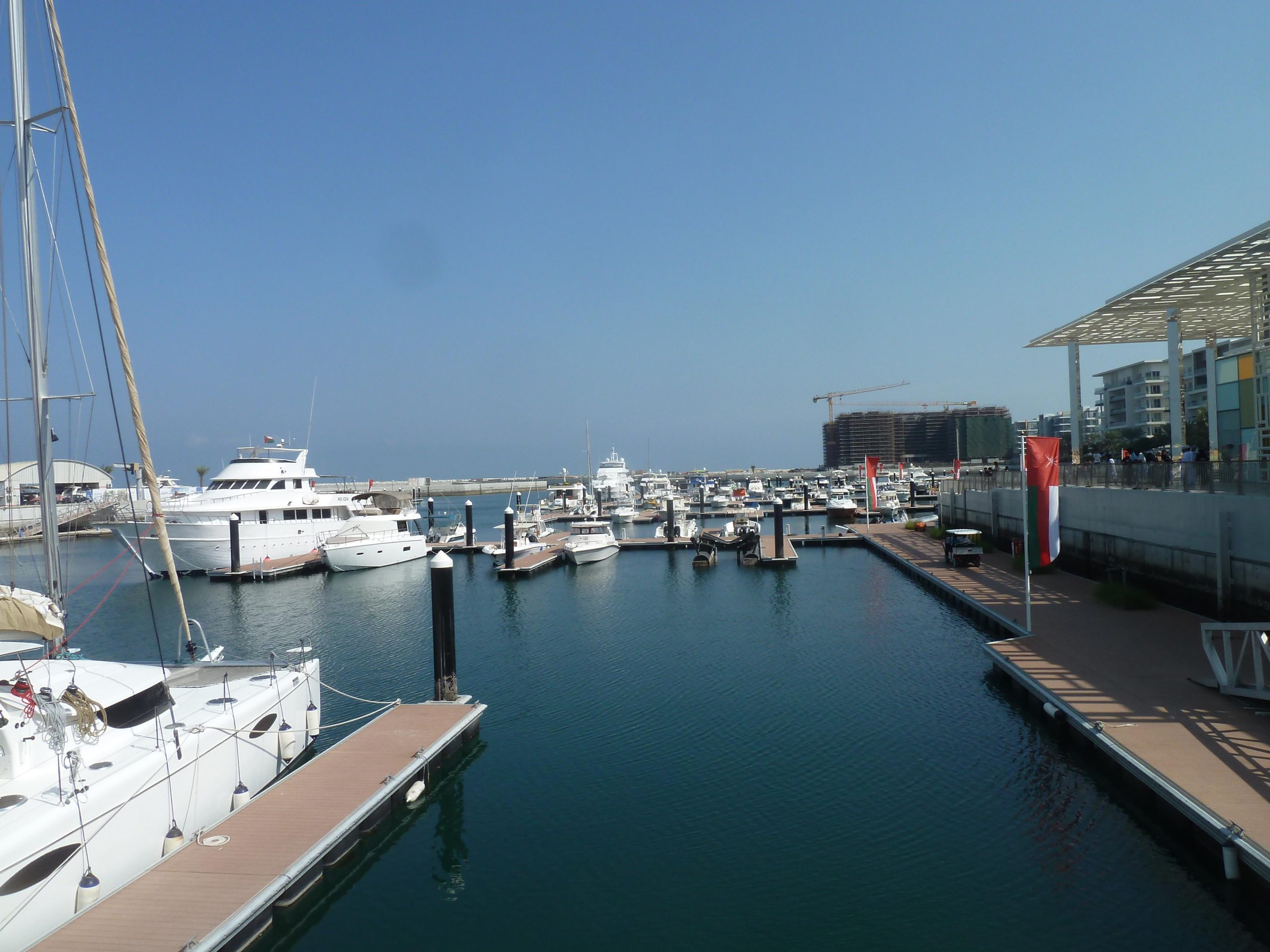
Muscat and Salalah are Oman’s two flagship real estate markets, and they offer genuinely different investment cases rather than simply competing on price. Muscat is the capital: a diversified, year-round economy anchored by government, energy, finance, and an expanding freehold property sector built around Integrated Tourism Complexes (ITCs). Salalah is the south’s tourism powerhouse, transformed every year by the Khareef monsoon season into one of the only green, misty coastal destinations on the Arabian Peninsula — a seasonal draw that shapes its entire property market. This guide compares the two head-to-head across price, rental yield, lifestyle, infrastructure, and residency eligibility to help you decide where your capital is better placed — and whether, as many experienced investors eventually conclude, the smarter answer is actually both.
If you haven’t yet narrowed down a city or region at all, our broader guide to the best areas to invest in Oman is a useful starting point before diving into this comparison.
Muscat at a Glance
Muscat is Oman’s political and commercial capital, home to over a million residents and the country’s most mature freehold property market. Its ITCs are spread across several distinct waterfront and hillside communities, each with its own character: Al Mouj, a flagship marina community with a golf course, retail boulevard, and beachfront towers; Jebel Sifah, a quieter marina and golf development along the coast southeast of the city; Muscat Bay, a gated resort-style village built into a natural cove; and Sultan Haitham City, a large-scale new masterplan reflecting the government’s next phase of urban expansion. Muscat’s economy is broad-based rather than seasonal — government administration, banking, energy-sector headquarters, logistics, and a growing services sector all contribute to steady, year-round housing and rental demand.
Salalah at a Glance
Population and regional data from the National Centre for Statistics and Information shows Dhofar governorate, anchored by Salalah, remains far smaller than Muscat governorate, a scale difference that shapes both markets’ liquidity.
Salalah, the capital of Dhofar governorate in southern Oman, has a fundamentally different draw: it’s one of the only places on the Arabian Peninsula that turns green during summer, thanks to the Khareef monsoon that rolls in from June through September. That seasonal transformation — misty mountains, waterfalls, and cooler temperatures while the rest of the Gulf swelters — turns Salalah into a major domestic and regional tourism destination for roughly three months a year, and it’s the single biggest factor shaping the city’s property market. Hawana Salalah is the city’s flagship freehold ITC, a beach and marina resort community built specifically around this tourism cycle, with residences designed to double as personal holiday homes and short-term rental assets.
Price Comparison: Entry Points and Value
| Metric | Muscat | Salalah |
|---|---|---|
| Entry price level | Higher | Lower-Mid |
| Rental yield | 6-8% year-round | 7-10%, Khareef-concentrated |
| Liquidity | Deepest in Oman | Thinner, seasonal |
| Best demand driver | Business, residency, year-round tourism | Khareef monsoon tourism |
Muscat carries a clear price premium over Salalah, reflecting its status as the capital and its broader, more diversified buyer base. Entry-level apartments and off-plan units in Muscat’s established ITCs typically start from the mid-to-high five figures in USD terms, with premium waterfront units in developments like Al Mouj or branded residences running well into six and seven figures. Salalah, by contrast, offers a genuinely lower cost of entry — freehold apartments and townhouses at Hawana Salalah are typically priced meaningfully below comparable unit types in Muscat’s flagship communities, making it one of the more accessible entry points into Oman’s freehold market for first-time overseas buyers.
That price gap isn’t purely about location prestige — it also reflects differences in market depth and liquidity. Muscat’s larger, more diversified buyer pool (expats, GCC nationals, and a growing base of Omani professional buyers) supports deeper secondary-market activity, while Salalah’s market is more concentrated around holiday-home and tourism-linked demand, which affects how quickly a unit can be resold outside peak season.
Rental Yield Comparison: Muscat vs Salalah
Gross rental yields in Oman’s key freehold markets have generally ranged between roughly 5% and 8% depending on location, unit type, and how actively a property is managed for short-term versus long-term tenancy — for the full picture across all major Oman locations, see our dedicated Oman rental yields guide. Within that range, the two cities perform differently. Muscat tends to deliver steadier, more predictable long-term rental yields, driven by consistent demand from expatriate professionals and diplomatic and corporate tenants who need year-round housing regardless of season. Salalah’s yield story is more seasonal: well-located short-term holiday rentals in and around Hawana Salalah can command significantly higher nightly rates during the Khareef season, but owners need to underwrite occupancy realistically across the quieter months rather than annualising peak-season performance.
Freehold Ownership: The Same Legal Framework, Different Markets
Both cities operate under the same national ITC freehold framework, so the legal mechanics of buying don’t differ between Muscat and Salalah — what differs is the maturity and depth of each local market. Foreign buyers can acquire full freehold title, land and unit, in designated Integrated Tourism Complexes anywhere in Oman, including Al Mouj and Muscat Bay in the capital and Hawana Salalah in the south. Our complete guide to freehold property and ITCs in Oman walks through title types, the ownership registration process, and how ITC status is granted, while our Oman property tax guide covers the transaction costs and annual holding costs that apply equally in both cities.
Capital Appreciation: Which City Offers More Upside?
Muscat’s capital appreciation case rests on its status as the established capital, continued government-backed infrastructure investment, and the steady maturation of ITCs like Al Mouj and the newer Sultan Haitham City masterplan — a market that grows more gradually but with lower volatility given its broader economic base. Salalah’s appreciation case is more directly tied to the pace of Dhofar’s tourism-sector growth: as Khareef-season visitor numbers climb and Hawana Salalah’s marina community matures, well-located units have shown strong percentage gains off a lower base price, though this upside is more concentrated and more exposed to tourism-cycle swings than Muscat’s broader economic underpinning. Investors prioritising steady, lower-volatility appreciation typically lean toward Muscat; those comfortable with a more concentrated, tourism-linked growth story often find Salalah’s lower entry price and stronger seasonal yield more attractive.
Lifestyle and Community: Which City Suits You
Muscat offers the deepest expat infrastructure in the country: international schools, hospitals, a wide range of dining and retail, direct international flight connections through Muscat International Airport, and an established, multicultural residential community across its ITCs. It suits buyers relocating full-time, families prioritising schooling and healthcare access, and anyone who wants year-round city amenities rather than a seasonal resort atmosphere.
Salalah offers a slower-paced, more nature-focused lifestyle — mountains, coastline, and the dramatic seasonal transformation of the Khareef, alongside a smaller but growing expat and tourism-sector community. It suits buyers who want a genuine holiday-home lifestyle, retirees drawn to a quieter, greener setting, and investors specifically targeting the tourism and short-term rental segment rather than year-round urban living.
Infrastructure and Connectivity
Muscat International Airport is Oman’s primary international gateway, with direct connections across the Gulf, wider Middle East, Europe, and Asia, alongside a mature road and utility network across the capital’s ITCs. Salalah Airport handles a growing volume of both domestic and increasingly international traffic, particularly during Khareef season, but the connectivity gap between the two cities remains meaningful — a factor worth weighing carefully if you’re planning to use the property yourself outside peak tourism months, since travel frequency and journey time affect both personal use and how easily you can manage a rental property remotely.
Golden Residency and the Owner Visa: Does the City Matter?
Golden Residency and Owner Visa thresholds are set nationally by Oman’s Ministry of Housing and Urban Planning and apply equally regardless of whether the qualifying property is in Muscat or Salalah.
Oman’s residency-through-property routes — the long-established Golden Residency programme and the newer, sponsor-free Owner Visa — apply nationally based on investment value and property type rather than being restricted to specific cities, so qualifying property in either Muscat or Salalah can support a residency application provided it meets the relevant threshold. Our full breakdown of Golden Residency vs the Owner Visa explains the specific investment thresholds and documentation requirements for each route, which is worth reading in detail before deciding how city choice interacts with your residency goals — particularly since Muscat’s higher average unit prices may reach investment thresholds with a smaller property, while Salalah may require a larger or multi-unit purchase to reach the same value.
Financing Your Purchase in Either City
Mortgage terms are set by individual banks under rules from the Central Bank of Oman, and some lenders price Salalah properties slightly differently than Muscat given the smaller transaction volume.
Mortgage availability for foreign buyers works the same way regardless of which city you choose — our Oman mortgage guide for foreigners covers eligibility, loan-to-value ratios, and the local banks currently active in this space. Most developers in both Muscat and Salalah also offer their own instalment payment plans on off-plan units, which is often the more flexible route for buyers who prefer not to involve a mortgage at all.
Off-Plan vs Ready Property in Muscat and Salalah
Both markets offer a mix of off-plan and completed, ready-to-move-in inventory, but the balance differs. Muscat’s more established ITCs like Al Mouj have a meaningful stock of completed, resale-ready units alongside newer off-plan phases, giving buyers a genuine choice between immediate rental income and lower off-plan entry pricing. Salalah, being a younger and more concentrated freehold market centred heavily around Hawana Salalah, currently skews more toward off-plan and recently delivered phases, meaning buyers should pay particularly close attention to developer track record and delivery timelines given the shorter history of completed handovers to benchmark against. In both cities, off-plan purchases typically unlock more flexible, interest-free developer payment plans, while ready property offers immediate rental income and an inspectable asset with no construction risk.
Service Charges and Ongoing Ownership Costs
Ongoing costs differ meaningfully between the two markets, largely driven by the amenity level and management structure of each ITC. Muscat’s established marina and golf communities — particularly Al Mouj and Muscat Bay — carry service charges that reflect their extensive shared infrastructure: landscaped grounds, marina berths, golf-course maintenance, security, and resort-style facilities. Salalah’s Hawana Salalah carries a broadly comparable resort-style service charge structure, given its own marina, beach access, and shared amenities, though buyers should always request the specific current rate per square metre for their chosen building rather than assuming parity across developments, since it can vary considerably even within the same ITC depending on unit type and building age. In both cities, service charges begin only once a unit reaches handover, and should be factored into net yield calculations rather than judging return purely on gross rental income.
Exit Strategy: Reselling in Muscat vs Salalah
Exit planning deserves as much attention as the initial purchase decision. Muscat’s larger, more diversified buyer base — spanning long-term expat residents, GCC nationals, and a growing pool of Omani professional buyers — generally supports a faster, more liquid resale process, particularly for well-located units in established communities like Al Mouj. Salalah’s resale market moves differently: because a meaningful share of demand is tourism and holiday-home driven, timing a sale to coincide with the run-up to Khareef season, when buyer interest in the city is naturally elevated, can materially affect both time-on-market and achieved price compared with listing during the quieter months. Investors with a shorter holding period or lower risk tolerance for illiquidity should weigh this difference carefully alongside the yield and price advantages Salalah otherwise offers.
Who Should Invest in Muscat
Muscat suits buyers who want the deepest, most liquid freehold market in Oman, with year-round rental demand independent of tourist seasonality. This includes relocating professionals and families who plan to live in the property themselves, investors prioritising steady long-term rental income over speculative upside, and anyone who values proximity to the country’s main international airport, hospitals, and international schools. It also suits buyers targeting Golden Residency or Owner Visa eligibility who want the flexibility of a market with stronger resale liquidity if their plans change.
Who Should Invest in Salalah
Salalah suits buyers specifically targeting the tourism and short-term rental opportunity created by the Khareef season, those seeking a lower entry price into Oman’s freehold market, and lifestyle buyers who want a genuine coastal holiday-home experience rather than year-round city living. It particularly suits investors comfortable underwriting seasonal occupancy patterns and who are building a rental strategy around peak-season pricing rather than flat annual demand.
Common Mistakes When Choosing Between Muscat and Salalah
- Annualising Salalah’s peak-season rental rates: Khareef-season nightly rates are not representative of year-round performance — always underwrite Salalah rental income using realistic off-season occupancy, not just July and August figures.
- Assuming Muscat and Salalah compete for the same buyer: they serve different investment theses — comparing them purely on headline price without factoring in your own goals (year-round income vs seasonal upside) leads to the wrong decision either way.
- Underestimating the connectivity gap: if you plan to visit the property yourself regularly, factor in Salalah’s more limited international flight options compared to Muscat before committing.
- Ignoring liquidity differences at resale: Muscat’s deeper, more diversified buyer pool generally supports faster resale than Salalah’s more concentrated, tourism-linked market — relevant if your investment horizon is shorter than five years.
- Treating the ITC framework as city-specific: the same freehold rules, title process, and residency-linked investment thresholds apply nationally — don’t assume Salalah carries different legal protections than Muscat, since it doesn’t.
Muscat vs Salalah: Quick Decision Framework
| Buyer Profile | Better Fit |
|---|---|
| Residency-focused | Either — same national thresholds |
| Maximum liquidity | Muscat |
| Seasonal yield investor | Salalah |
| Year-round lifestyle | Muscat |
If your priority is year-round rental income, long-term capital stability, and the deepest resale liquidity in the country, Muscat is the stronger fit. If your priority is a lower entry price, exposure to Oman’s fastest-growing tourism story, and you’re comfortable with seasonal rather than flat demand, Salalah offers a genuinely different — and for the right buyer, more attractive — risk-return profile. Many experienced investors in the Oman market ultimately hold positions in both: a steady Muscat asset for baseline income, paired with a Salalah unit targeting the Khareef season premium.
Climate: A Practical Factor Buyers Often Overlook
Climate shapes how — and when — you’ll actually use either property, and it’s worth weighing alongside the investment numbers. Muscat has a hot desert climate for most of the year, with summer temperatures regularly exceeding 40°C, making spring and autumn the most comfortable months for personal visits, while air conditioning and indoor amenities carry most of the load through summer. Salalah’s climate is the inverse of what you’d expect from the rest of the Gulf: while it shares Muscat’s heat for much of the year, the Khareef transforms it into one of the coolest, greenest spots on the peninsula for a few months each summer — precisely when the rest of Oman and the wider Gulf region are at their hottest. For buyers who want to personally enjoy a milder climate during the exact months when neighbouring markets are least comfortable, that seasonal contrast is a genuine, non-financial reason Salalah appeals to a specific type of owner-occupier, separate from its rental yield case.
Market Outlook: Muscat and Salalah Over the Next Decade
Both cities benefit from the same national tailwind — Oman’s Vision 2040 economic diversification strategy, which has progressively opened freehold ownership to foreign buyers and continues to expand ITC designations across the country. Within that shared backdrop, the two markets are following somewhat different trajectories. Muscat’s growth is increasingly driven by large-scale, government-anchored masterplans like Sultan Haitham City, which signal continued long-term expansion of the capital’s urban footprint and, with it, steady demand growth across established ITCs like Al Mouj and Muscat Bay. Salalah’s trajectory is more directly tied to continued investment in Dhofar’s tourism infrastructure — airport capacity, hospitality supply, and marketing of the Khareef season to a wider regional and international audience — meaning its growth curve is likely to remain more closely correlated with tourism-sector performance than Muscat’s broader, more diversified economic base. Neither trajectory makes one city definitively the better long-term bet; they simply represent different types of growth exposure, and investors should choose based on which underlying driver they have more conviction in.
Frequently Asked Questions
Is Muscat or Salalah better for property investment in Oman?
Neither is universally better — Muscat offers deeper market liquidity, steadier year-round rental demand, and a broader economic base, while Salalah offers a lower entry price and stronger seasonal yield potential tied to the Khareef tourism season. The right choice depends on whether you’re prioritising stability or tourism-linked upside.
Which city has cheaper property, Muscat or Salalah?
Salalah generally offers a lower cost of entry than Muscat, with freehold apartments and townhouses at developments like Hawana Salalah typically priced below comparable unit types in Muscat’s flagship ITCs such as Al Mouj.
Can foreigners buy freehold property in both Muscat and Salalah?
Yes. The same national ITC freehold framework applies in both cities, allowing foreign buyers to acquire full freehold title in designated Integrated Tourism Complexes regardless of which city they choose.
What is the Khareef season and why does it matter for Salalah property?
The Khareef is a monsoon season running roughly from June to September that turns Dhofar’s landscape green and draws large numbers of tourists to Salalah, driving a significant seasonal spike in short-term rental demand and pricing for well-located coastal property.
Does buying in Muscat or Salalah affect Golden Residency eligibility?
No. Oman’s Golden Residency and Owner Visa programmes are based on investment value and property type nationally, not city of purchase, so qualifying property in either Muscat or Salalah can support a residency application provided it meets the relevant threshold.
Which city is better for rental income, Muscat or Salalah?
Muscat typically delivers steadier, more predictable long-term rental yields from year-round tenant demand, while Salalah can achieve higher short-term nightly rates during Khareef season but requires realistic underwriting of lower off-season occupancy.
Should I buy in Muscat first or Salalah first if I’m building a portfolio?
Most investors building a multi-property position in Oman start with a Muscat unit for baseline stability and liquidity, then add a Salalah property once they’re comfortable underwriting seasonal rental performance — though the right sequencing ultimately depends on your available capital, risk tolerance, and whether steady income or tourism-linked upside matters more to you at each stage.
Still deciding between Muscat and Salalah, or considering a position in both? Contact UInvest Group and our team will walk you through current availability, pricing, and realistic yield expectations across both cities. Once you’ve chosen a property, our legal support, bank account opening, and after-sales services are available to support you through purchase and ownership from anywhere in the world.