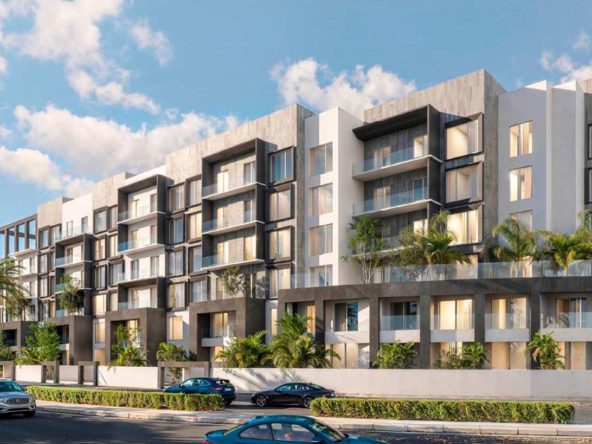
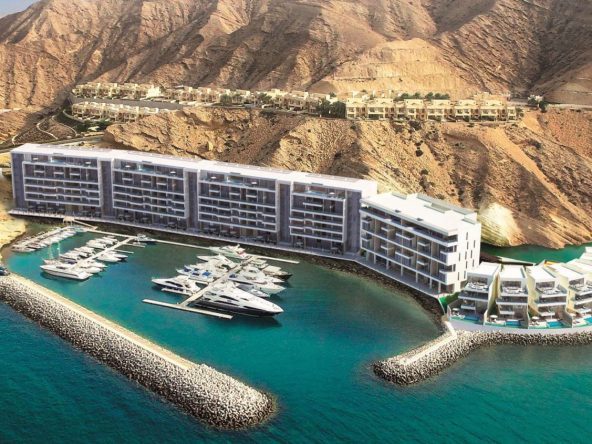
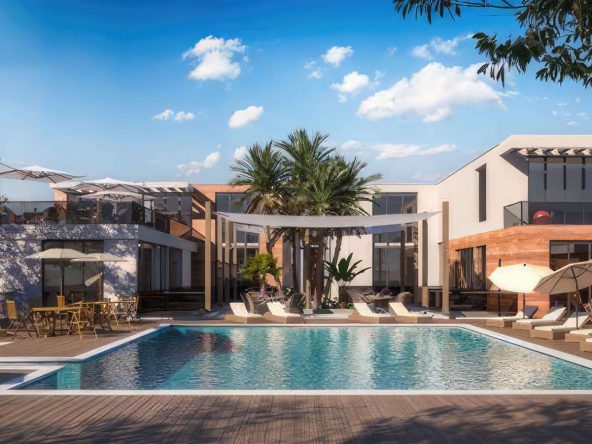
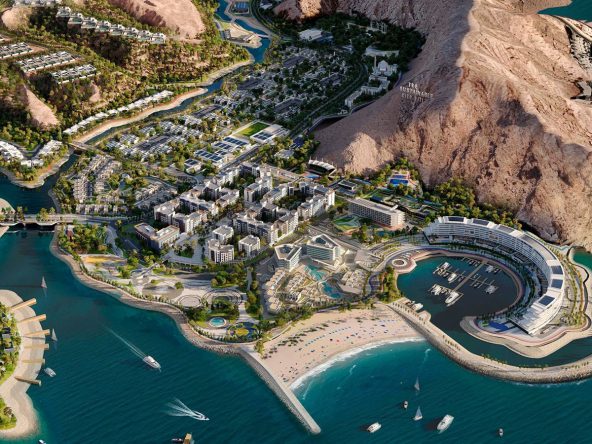
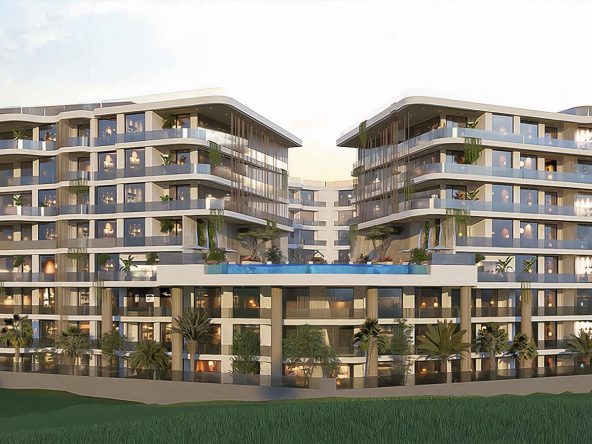
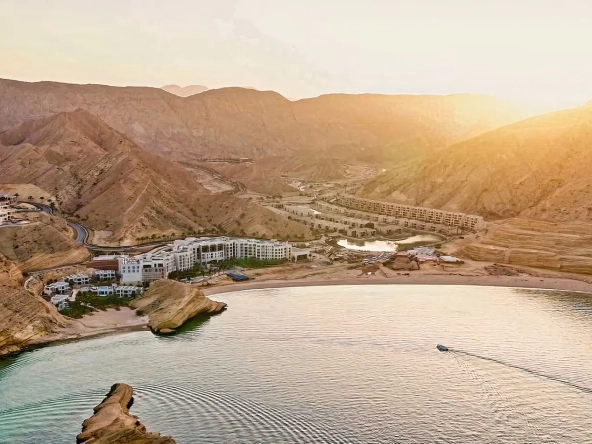
If you’re searching for an apartment for sale in Muscat, you’re looking at the segment of Oman’s freehold property market that actually moves the most volume. While villas dominate communities like Al Mouj and Jebel Sifah, apartments are the entry point for the widest range of buyers — from a first-time overseas investor testing the market with a studio, to a family relocating to Oman and wanting a turnkey two-bedroom near the coast. This guide covers where to buy an apartment for sale in Muscat, what apartments cost, how ownership and financing actually work for foreigners, and how apartment returns in Muscat compare to the wider Gulf. If you’re still deciding between a house and an apartment, our comparison of Oman’s main freehold communities is worth reading alongside this one.
Why Buy an Apartment in Muscat as a Foreign Investor
Oman opened freehold property ownership to foreign nationals inside its designated Integrated Tourism Complexes (ITCs), and apartments are the dominant unit type across nearly all of them. Unlike some regional markets where “freehold” comes with caveats, ownership inside an Omani ITC is full title, transferable, and inheritable, registered with the Ministry of Housing and Urban Planning. That legal clarity, combined with Oman’s currently low entry prices relative to Dubai or Abu Dhabi, is why apartment demand in Muscat has been climbing steadily.
The country’s broader economic direction reinforces this. Oman Vision 2040, the government’s long-term development strategy, treats tourism and real estate as core pillars of economic diversification away from oil, which is a big part of why new apartment supply keeps arriving in Muscat rather than slowing down. Buyers aren’t betting on a single project — they’re buying into a national policy commitment.
Best Areas to Find an Apartment for Sale in Muscat
Not every part of Muscat offers freehold apartments, and the areas that do have genuinely different characters. Matching the right neighborhood to your goals — lifestyle, rental income, or long-term appreciation — matters more than the specific building you choose.
Al Mouj Muscat
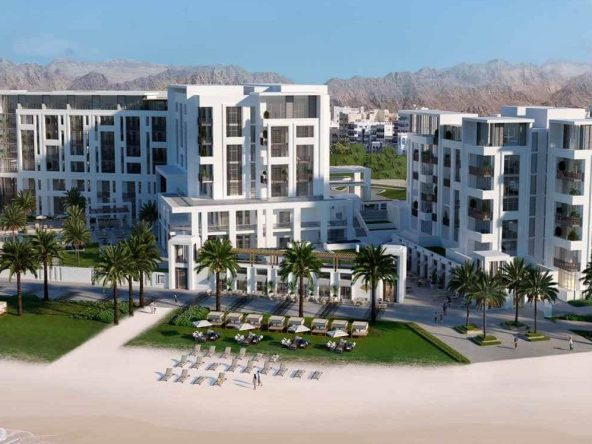
Al Mouj is Oman’s most established freehold community and the closest thing Muscat has to a mature, amenity-rich waterfront district. Apartments here range from compact studios to large penthouses, set around a marina, golf course, and beachfront promenade. It’s the community most foreign buyers recognize by name, which also makes it the most liquid for resale. Our Al Mouj investment guide covers pricing bands and district-by-district differences in detail.
Muscat Hills
Muscat Hills sits inland around a golf course and offers some of the more accessible apartment pricing among Muscat’s established communities, without straying from central, well-connected positioning. It tends to attract long-term residential tenants — professionals working in Muscat who want a permanent home rather than a holiday base — making it a strong candidate for buy-to-let investors prioritizing occupancy stability over headline yield.
Muscat Bay
Muscat Bay is a smaller, more exclusive gated community set against dramatic coastal topography, generally commanding a premium over Al Mouj or Muscat Hills for comparable unit sizes. Apartment buyers here are typically prioritizing privacy and setting over proximity to the city’s commercial core.
Sultan Haitham City
Sultan Haitham City is Oman’s newest major freehold district — a purpose-built new city rather than a resort-style ITC — and its apartment stock is still being delivered in phases. Buying here means buying earlier in a district’s life cycle, with the trade-offs and potential upside that implies. Our Sultan Haitham City guide covers what’s built, what’s still under construction, and how the city is positioned relative to older communities.
Shatti Al Qurum and Central Muscat
A smaller number of branded and boutique developments sit closer to Muscat’s established central districts, including Shatti Al Qurum. These tend to be higher-end, branded-residence style apartments rather than large-scale communities — see our guide to branded residences in Oman for how programmes like The Residences at Mandarin Oriental compare to St. Regis at Al Mouj.
Apartment Types and Price Ranges in Muscat
Muscat’s freehold apartment market spans a wide range of configurations, and price varies significantly by unit type, community, and proximity to the waterfront.
Studios are the most accessible entry point, popular with investors targeting short-term or mid-term rental income rather than personal use. See our dedicated guide to studios for sale in Oman for current inventory and typical pricing.
One- and two-bedroom apartments make up the bulk of the market and appeal to both investors and owner-occupiers — expatriate professionals, diplomatic postings, and Omani families all compete for this segment, which supports steady long-term rental demand.
Penthouses sit at the top of the apartment market, typically offering larger floor plates, private terraces, and premium finishes. Our penthouses for sale in Oman guide breaks down where these units concentrate and what drives the price premium over standard units.
For a broader view across the whole apartment segment nationally, not just Muscat, see apartments for sale in Oman.
Freehold Ownership and the Legal Framework
Foreign apartment buyers in Muscat’s ITCs receive full freehold title, not a leasehold or usufruct arrangement. Ownership is registered with the government, can be sold, inherited, or mortgaged, and carries no restriction on nationality within designated freehold zones. This is a meaningfully stronger ownership structure than what’s available in a number of comparable regional markets, and it’s one of the main reasons serious investors take Oman seriously as more than a lifestyle purchase. Our full breakdown of the rules, restrictions, and registration process is in our freehold property in Oman guide.
One advantage specific to Oman that surprises many first-time buyers: there is no annual recurring property tax on owned real estate. There are transaction-related fees at purchase, and rental income has its own tax and reporting considerations, which we cover in detail in our Oman property tax guide.
Financing an Apartment Purchase in Muscat
Foreign buyers are not limited to cash purchases in Oman. A number of local and regional banks offer mortgage products to non-resident buyers purchasing freehold property, though terms, down payment requirements, and eligibility criteria vary meaningfully by lender and by the buyer’s residency status. Interest rates, loan-to-value ratios, and required documentation are all things to confirm before you commit to a specific unit, since financing terms can materially change what a given apartment actually costs you over time. Our mortgage guide for foreign buyers walks through current lender options and the qualification process.
Setting up local banking infrastructure early — even before you’ve settled on a specific apartment — tends to make the rest of the purchase process smoother, particularly around fund transfers and any recurring costs like service charges. Our bank account opening service can help you get that set up in advance.
Rental Yields: What Muscat Apartments Actually Return
Rental yield is where apartment type and location decisions matter most. Smaller units — studios and one-bedrooms — generally produce higher gross yields than larger apartments, since rental demand scales less than linearly with unit size, but they also come with proportionally higher management overhead if let short-term. Our Oman rental yields guide breaks down realistic yield expectations by community and unit type, and is worth reading before you commit to a specific investment thesis.
Whether short-term holiday letting or a standard annual lease makes more sense for a given apartment depends heavily on which community it’s in — Al Mouj and Muscat Bay see meaningfully more tourism-driven short-term demand than a primarily residential district like Muscat Hills or Sultan Haitham City, where long-term tenancy tends to perform more reliably.
Residency Through Apartment Ownership
Property ownership in Oman can support a residency application, and the pathway differs depending on investment size. Oman’s Golden Residency programme and the newer sponsor-free Owner Visa route both use real estate investment as qualifying criteria, though the thresholds, benefits, and application process differ meaningfully between the two. Since an apartment purchase in Muscat can realistically fall into either bracket depending on the unit and community, understanding which route your purchase qualifies for is worth doing before you buy, not after. Our Golden Residency vs Owner Visa comparison covers both programmes in detail.
Branded and Off-Plan Apartment Options
A growing share of Muscat’s apartment supply now comes from branded residence programmes — developments carrying the name and operating standards of an international hospitality group. St. Regis at Al Mouj and The Residences at Mandarin Oriental at Shatti Al Qurum are the two most established examples, each offering apartment-format units alongside villas. Branded apartments typically command a premium over unbranded equivalents but come with hotel-style services and, in some cases, access to a professional rental management programme — see our branded residences guide for a full comparison of what that premium actually buys you.
Many Muscat apartments are also sold off-plan, before construction completes. This can mean a lower entry price and flexible payment plans tied to construction milestones, but it also means doing real due diligence on the developer’s delivery track record before committing. Comparing your options across Oman’s different freehold communities before choosing a specific off-plan project is genuinely worth the time — our ITC comparison guide is designed exactly for that stage of the decision.
Muscat vs Other Gulf Cities for Apartment Investment
Investors comparing Muscat against Dubai, Abu Dhabi, or other regional apartment markets usually find the calculus comes down to entry price versus market maturity. Dubai offers a larger, more liquid, more internationally recognized market with a longer sales-and-resale track record. Muscat offers meaningfully lower entry prices for comparable unit sizes, a still-developing but genuinely improving liquidity picture, and the tailwind of Vision 2040 infrastructure investment that a more mature market like Dubai has already largely priced in. Neither is objectively “better” — they suit different risk appetites and different investment horizons. Our detailed Oman vs Dubai comparison walks through the numbers side by side.
Who Actually Buys an Apartment for Sale in Muscat
Muscat’s apartment buyer pool is more varied than a lot of overseas investors assume. A meaningful share are pure investors — Gulf-region and international buyers treating the unit purely as a rental asset or a currency-diversification play, drawn by the OMR’s peg to the US dollar and Oman’s political stability relative to some neighboring markets. Another segment is relocating professionals and their families, buying a home to actually live in while working in Muscat, often in the oil and gas, logistics, or tourism sectors. A third, smaller but growing segment is holiday-home buyers, particularly from elsewhere in the Gulf, who want a low-maintenance coastal base without taking on a full villa.
Understanding which of these three profiles you fall into — or some mix of them — genuinely changes which community and unit type makes sense. A pure yield investor should weight rental data and management overhead heavily; a relocating family should weight schools, commute, and daily-life amenities; a holiday-home buyer should weight personal-use flexibility and short-term rental rules. Treating all three as the same decision is one of the more common mistakes first-time Oman buyers make, and it’s usually the root cause when a buyer ends up disappointed with a purchase that was, on paper, a perfectly reasonable apartment — it just wasn’t matched to what they actually needed from it.
The Buying Process: What to Expect
Buying an apartment in Muscat as a foreign investor generally follows a consistent sequence: identify the community and unit type that fits your goals, complete due diligence on the specific developer and building (or on the existing owner, for resale units), agree terms and sign a sale and purchase agreement, arrange financing if you’re not paying cash, and register the transfer with the relevant government authority. Off-plan purchases add a payment-plan structure tied to construction milestones rather than a single settlement.
Working with a team that handles the legal, banking, and residency threads together — rather than treating each as a separate errand — tends to save real time. Our legal support service covers contract review and due diligence throughout the purchase. For off-plan purchases specifically, expect the sequence to also include a formal reservation deposit, a staged payment schedule tied to construction milestones rather than a single lump sum, and a handover inspection once the unit is delivered — each stage typically documented and signed off separately, which is another reason having consistent legal representation across the whole process, rather than switching advisors partway through, tends to catch issues earlier.
Service Charges and Ongoing Ownership Costs
Beyond the purchase price, apartment ownership in Muscat comes with recurring service charges that fund building maintenance, shared amenities, security, and common-area upkeep — this is standard across almost every managed freehold community globally, and Oman is no exception. Service charge rates vary by community and by the level of amenity provision: a building with a pool, gym, and 24-hour concierge will typically carry higher charges than a simpler mid-rise block with fewer shared facilities. When comparing two apartments on headline price alone, it’s worth pulling the service charge schedule for each, since a lower purchase price can sometimes be offset by meaningfully higher ongoing costs over a multi-year hold.
Utilities — electricity, water, and internet — are billed separately from service charges and are the owner’s or tenant’s responsibility depending on how the unit is let. For investors modeling net rental returns, it’s worth building both service charges and a realistic utilities estimate into the calculation rather than working purely from gross rent, since the gap between gross and net yield in Muscat’s apartment market is meaningfully influenced by these recurring costs.
Due Diligence Checklist Before You Buy
A structured due diligence pass before committing to a specific apartment reduces the chance of an expensive surprise after you’ve signed. At minimum, foreign buyers should confirm: that the community and specific building sit within a properly designated freehold zone; that the seller (for resale units) or developer (for off-plan units) holds clear, unencumbered title or the appropriate development permits; the exact service charge schedule and what it covers; whether the community or building has any restriction on short-term rental that would affect your intended use; and, for off-plan purchases specifically, the developer’s track record on previous project delivery timelines.
For resale apartments, it’s also worth confirming there are no outstanding service charge arrears attached to the unit, since in many managed communities unpaid charges can follow the property rather than the previous owner. A local legal team that handles this kind of verification routinely will catch issues that are easy to miss reviewing documents on your own from overseas — our legal support team handles exactly this kind of pre-purchase verification.
Government Data and Market Context
For buyers who want to track the underlying market trends rather than rely solely on developer marketing, Oman’s National Centre for Statistics and Information publishes housing and population data that gives useful context on where residential demand in Muscat is actually heading, separate from any single project’s sales pitch.
How UInvest Group Can Help
Buying an apartment in Muscat from overseas involves more moving parts than a straightforward domestic purchase — legal due diligence, banking setup, financing coordination, and potentially a residency application, all running in parallel with the purchase itself. UInvest Group can walk you through realistic pricing across every major Muscat community, matched to your specific budget and goals, and coordinate the legal, banking, and residency pieces so you’re not managing four separate processes on your own. If relocating to Oman entirely is part of your plan rather than just the property purchase, our business relocation service covers that wider process too.
Frequently Asked Questions
Can foreigners buy apartments in Muscat with full ownership?
Yes. Within Oman’s designated freehold ITCs, foreign nationals receive full freehold title to apartments — the same ownership structure available to Omani nationals within those zones, with no leasehold restriction.
What’s the cheapest way into the Muscat apartment market?
Studio apartments generally offer the lowest entry price, particularly in communities like Muscat Hills or newer phases of Sultan Haitham City, though pricing shifts regularly as new phases release.
Do apartment owners in Muscat pay annual property tax?
No. Oman does not levy a recurring annual property tax on owned real estate, which is a meaningful ongoing cost advantage compared to many other markets.
Is it better to buy an apartment or a villa in Muscat?
It depends on your goals. Apartments generally offer a lower entry price, easier short-term rental management, and stronger liquidity at resale. Villas typically offer more space and stronger appeal to long-term family tenants or buyers wanting the unit for personal use.
Can an apartment purchase in Muscat qualify me for residency?
Depending on the investment size, yes — through either Oman’s Golden Residency programme or the newer Owner Visa route. The two have different thresholds and benefits, so it’s worth confirming which one your specific purchase qualifies for before you buy.
Are off-plan apartments in Muscat a safe investment?
Off-plan can offer real value through lower entry pricing and staged payment plans, but it depends heavily on the specific developer’s delivery track record. Due diligence on the developer matters as much as the unit itself.
How do Muscat apartment prices compare to Dubai?
Muscat apartments are generally priced well below comparable Dubai units, reflecting Oman’s earlier stage of market maturity. That gap is part of the investment thesis for buyers betting on continued growth under Oman Vision 2040.
What are service charges like on Muscat apartments?
They vary by community and amenity level, but are a genuine recurring cost that should be factored into your net yield calculation, not just the purchase price. Buildings with pools, gyms, or concierge services generally carry higher charges than simpler mid-rise blocks.
Should I use a local agent or handle the purchase remotely?
Most overseas buyers work with a local team for due diligence, banking setup, and legal review, since verifying title, service charge arrears, and developer track records is genuinely difficult to do accurately from abroad on your own.
Talk to an Oman Specialist
Every buyer’s priorities are different — some want maximum rental yield, others want a personal holiday home, others are building a residency pathway through the purchase. Tell us your budget and goals, and one of our Oman specialists will match you to the right community and unit type rather than a generic shortlist. Message us on WhatsApp or Telegram, or use the contact form to get started.