



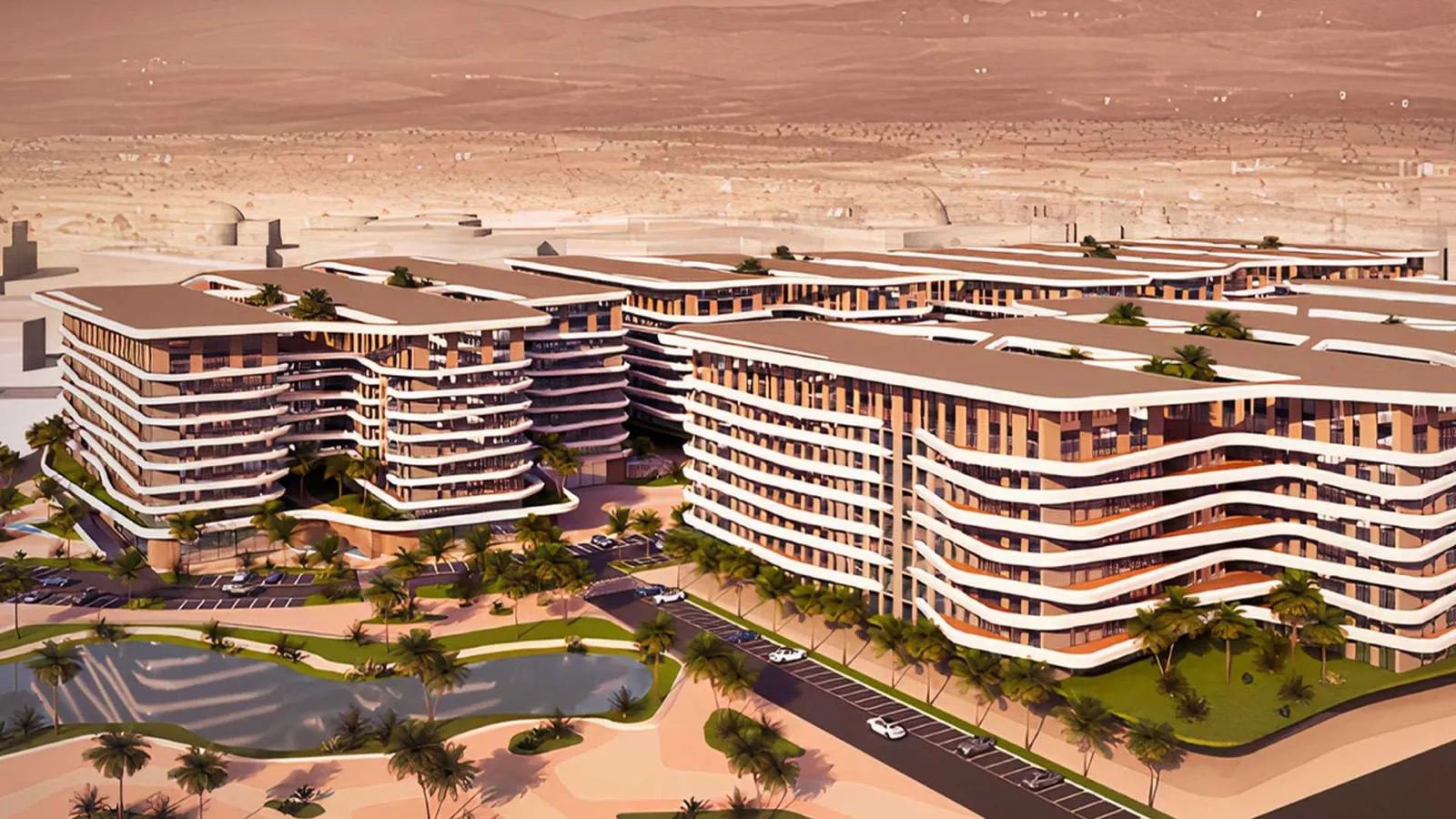
Apartments for sale in Oman: every project available now
All thirty-one projects offering apartments for sale in Oman that we represent, with live prices and photography, across twelve areas. Most are freehold and open to buyers of any nationality; the exceptions are flagged below rather than buried.
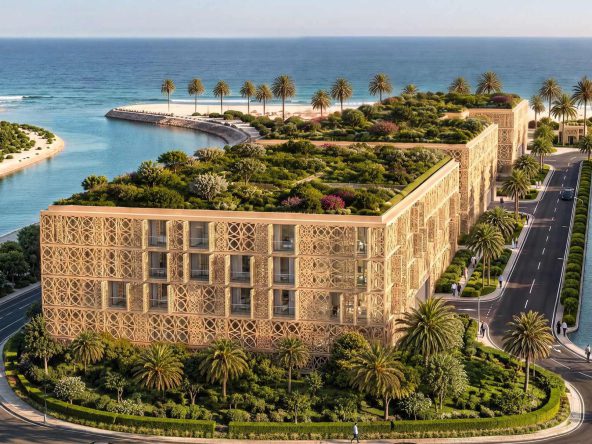
Mira Ocean Estates, Hawana Salalah, Oman
Mira Ocean Estates, Hawana Salalah, Dhofar, Oman Details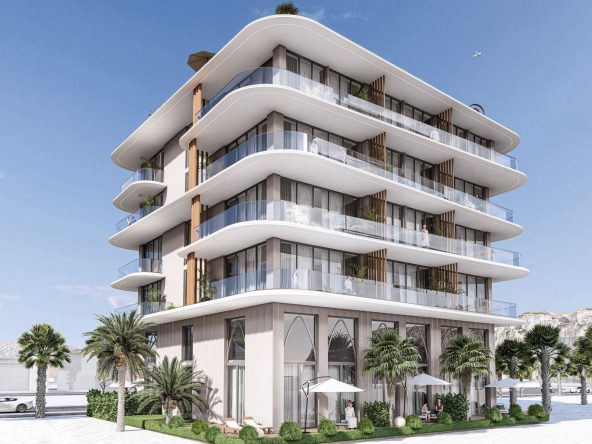
Taqah Long Beach Boutique, Taqah, Salalah, Oman
Taqah Long Beach Boutique, Taqah, Dhofar, Oman Details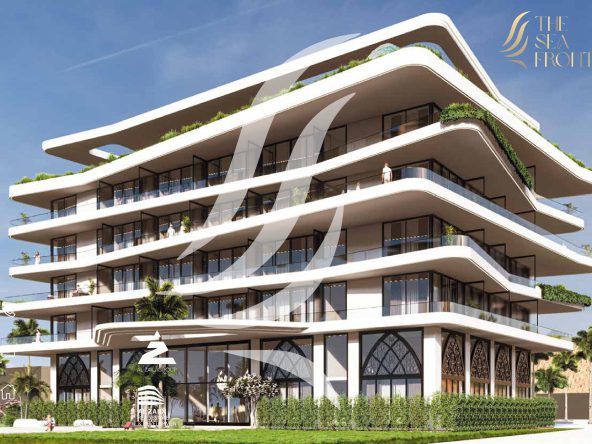
The Sea Front Residences, Taqah, Salalah, Oman
The Sea Front Residences, Taqah, Dhofar, Oman Details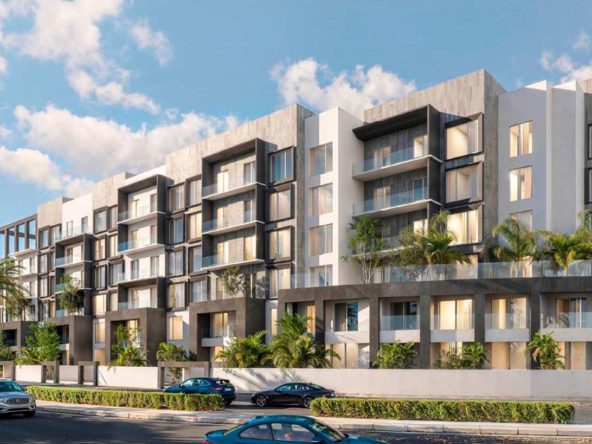
Telal Al Qurm, Muscat — Freehold ITC Apartments & Townhouses, Oman
Telal Al Qurm, Muscat, Oman Details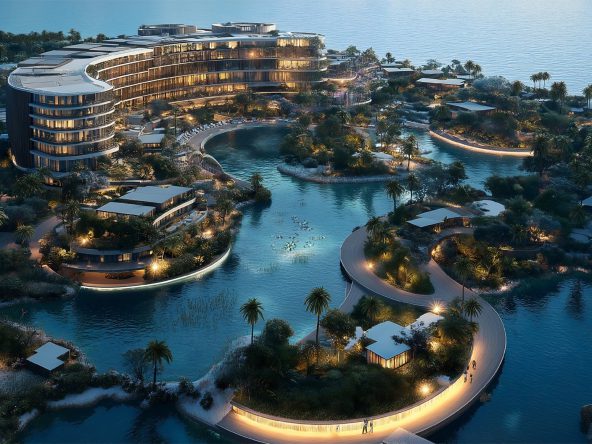
Yamal, Al Seeb — TMG Waterfront ITC Residences in Muscat, Oman
Yamal, Al Seeb, Muscat, Oman Details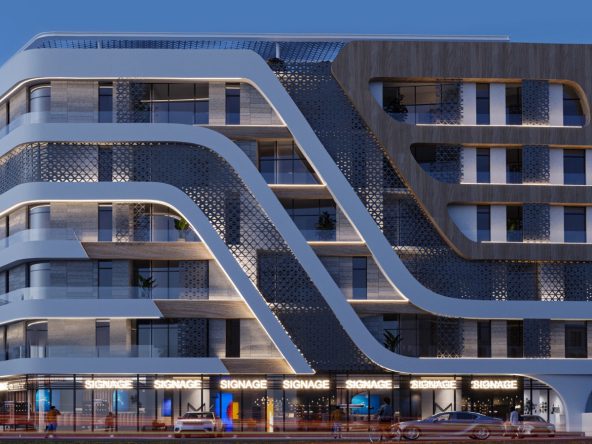
Alef Qurum Residence, Telal Al Qurm — Freehold Apartments in Muscat, Oman
Telal Al Qurm, Muscat, Oman Details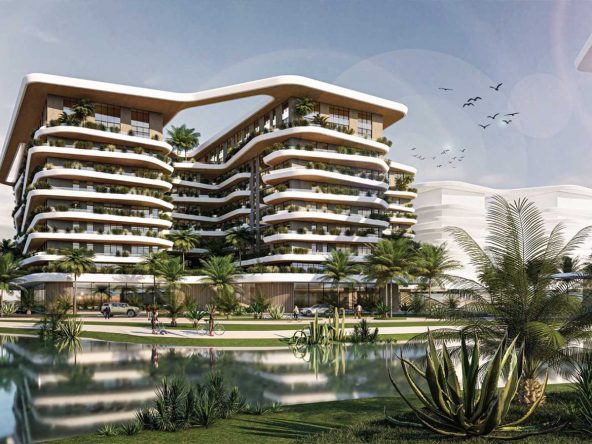
Uptown Muscat, Knowledge Oasis — Apartments & Duplexes in Oman from $106,900
Knowledge Oasis Muscat, Al Rusayl, Muscat, Oman Details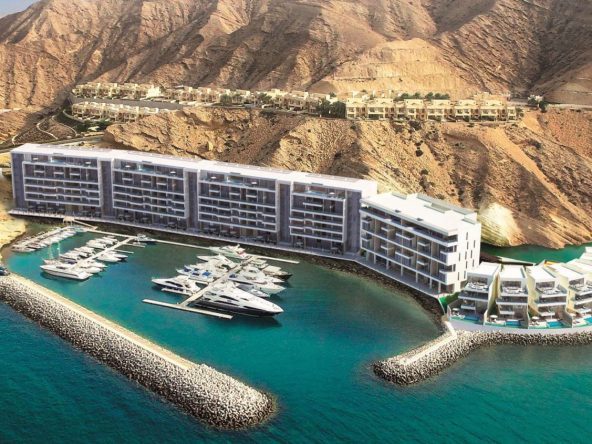
Al Mina, Barr Al Jissah, Muscat, Oman — Marina Residences & Beachfront Villas
Al Mina, Barr Al Jissah, Muscat, Oman Details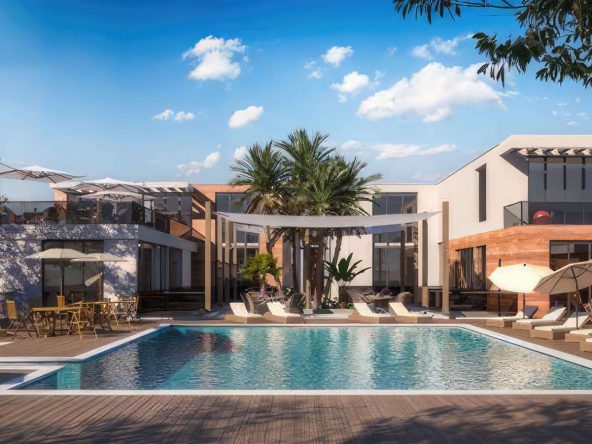
Luma Residence, Bandar Jissah, Muscat Bay, Oman
Luma Residence, Bandar Jissah, Muscat Bay, Muscat, Oman Details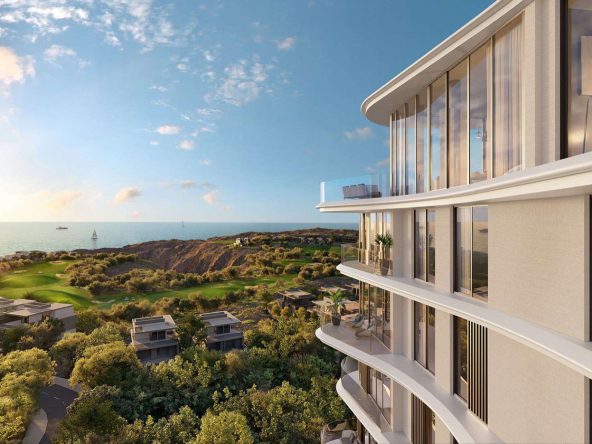
The Great Escape, AIDA — Freehold Clifftop Apartments in Yiti, Muscat
The Great Escape, AIDA, Yiti, Muscat, Oman Details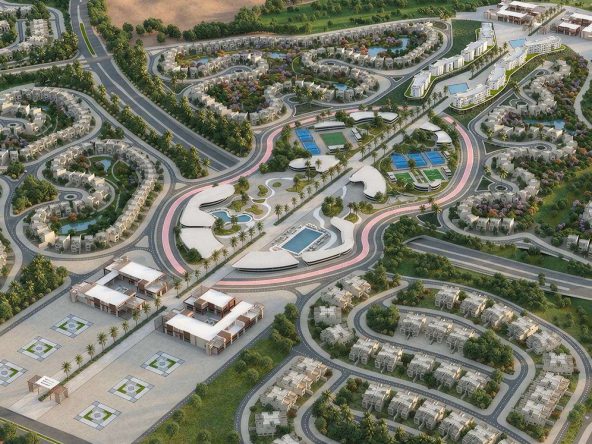
Jood, Sultan Haitham City — Freehold Apartments & Villas in Muscat, Oman
Jood, Sultan Haitham City, Muscat, Oman Details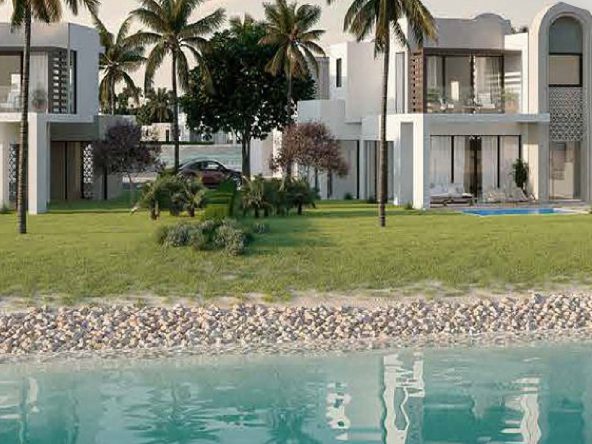
Lubana Island, Amazi — Freehold Waterfront Residences in Hawana Salalah, Oman
Lubana Island, Amazi, Hawana Salalah, Dhofar, Oman Details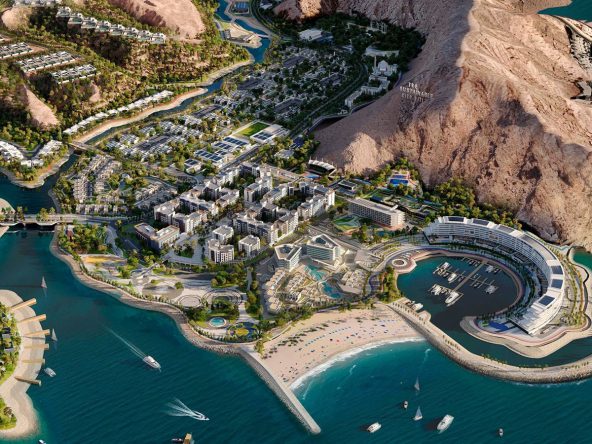
The Sustainable City – Yiti (TSCY) — Net-Zero Freehold Homes in Muscat, Oman
The Sustainable City - Yiti, Bandar Jissah, Muscat, Oman Details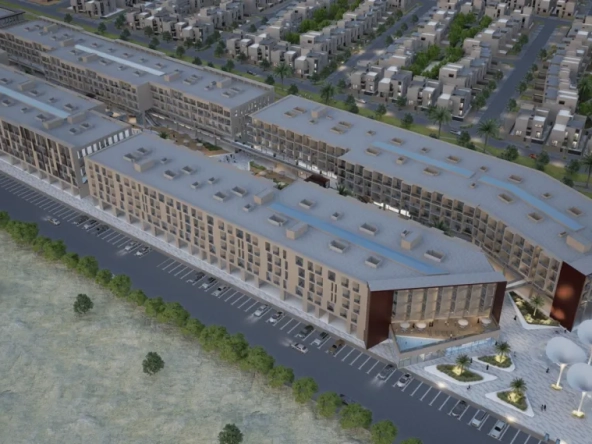
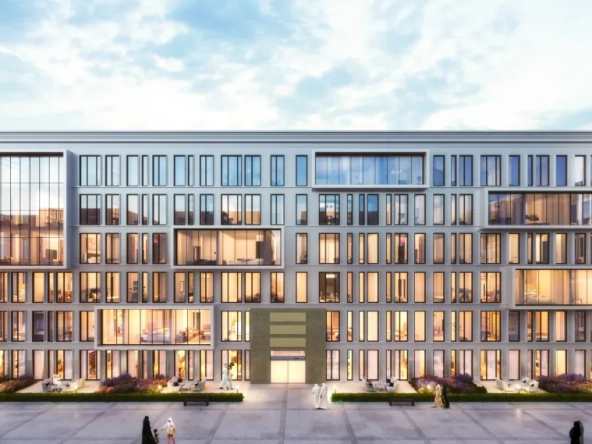
Maysan, Duqm — Apartments in Oman’s Special Economic Zone
Maysan Square, Duqm, Oman Details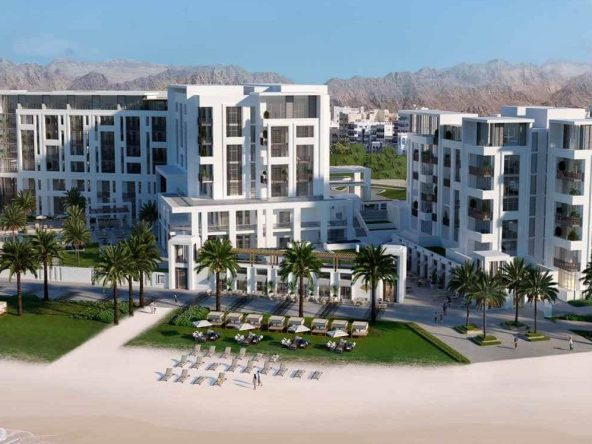
The Residences at Mandarin Oriental, Shatti Al Qurum — Branded Freehold Homes in Muscat, Oman
Shatti Al Qurum, Muscat, Oman Details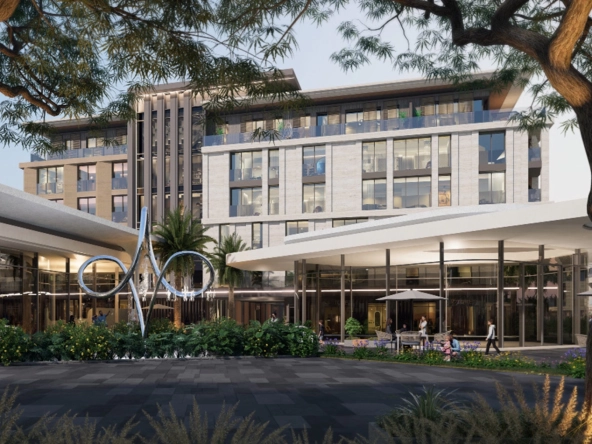
Sarooj Oasis Apartments, Sultan Haitham City — Freehold Homes in Oman
Sarooj Oasis, Sultan Haitham City, Muscat, Oman Details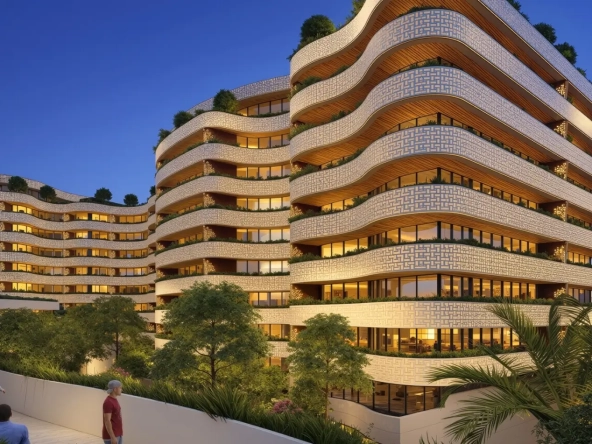
Yenaier Residences, Sultan Haitham City — Freehold Homes in a Muscat Smart City
Sultan Haitham City, Al Seeb, Muscat, Oman Details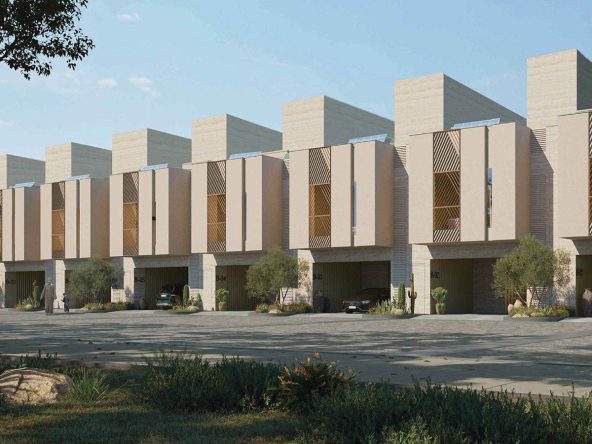
Hay Al Wafa, Sultan Haitham City — Freehold Apartments, Townhouses & Villas in Muscat
Hay Al Wafa, Sultan Haitham City, Muscat, Oman Details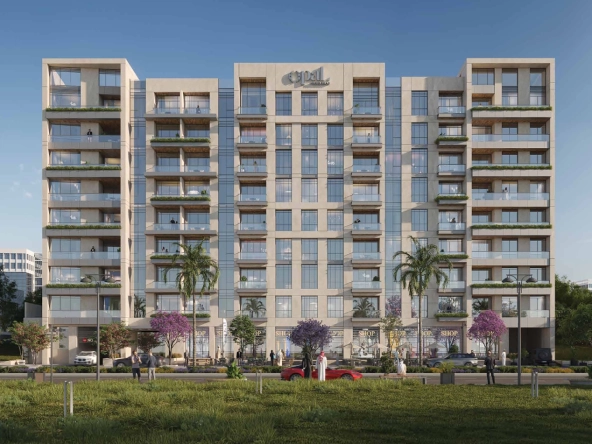
Opal Residences, Muscat Hills, Oman
Opal Residences, Muscat Hills, Muscat, Oman Details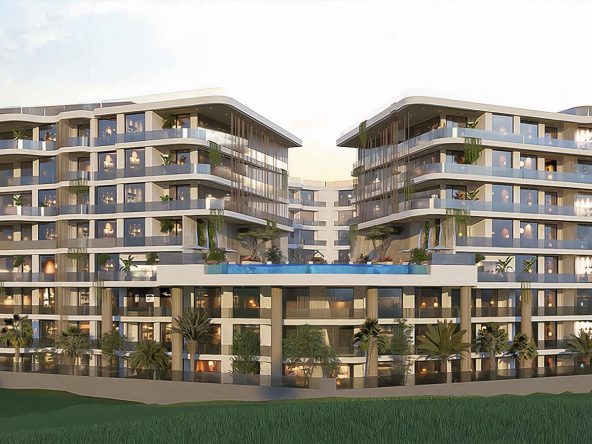
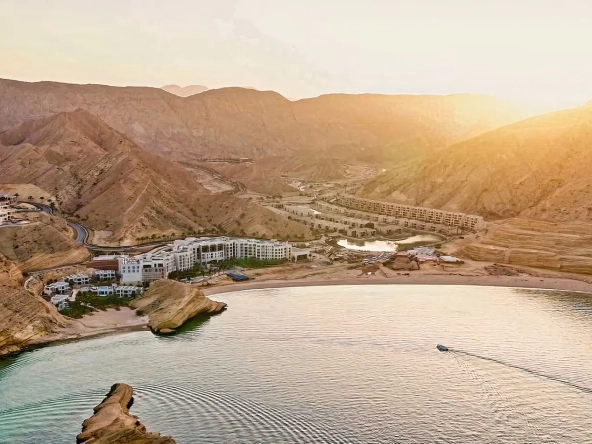
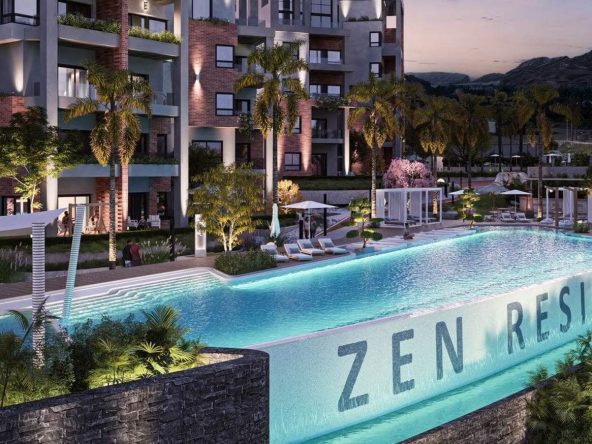
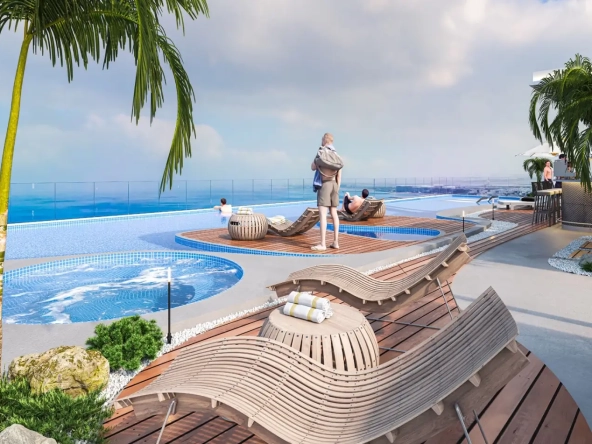
Bellevue, Al Mouj — Smart Freehold Apartments in Muscat, Oman
Al Mouj, Muscat, Oman Details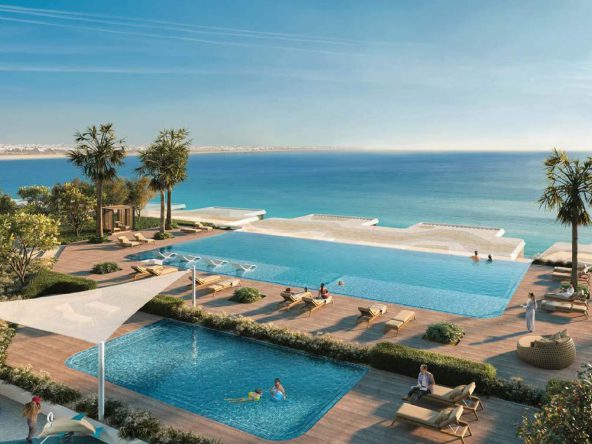
Azura Beach Residences, Al Mouj — Freehold Beachfront Apartments in Muscat, Oman
Al Mouj, Muscat, Oman Details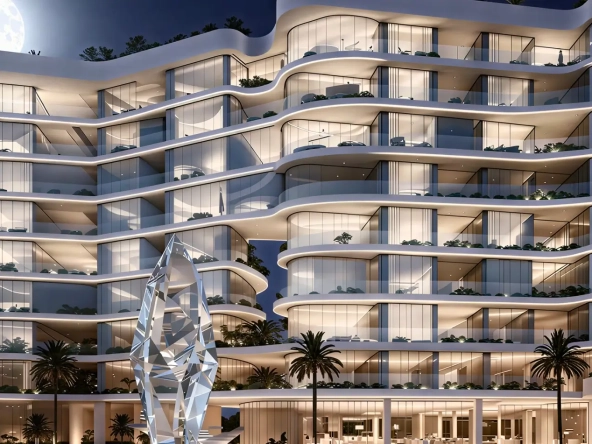
Vistal by Victoria Swarovski, Al Mouj — Branded Freehold Residences in Muscat, Oman
Al Mouj, Muscat, Oman Details
The St. Regis Residences, Al Mouj — Branded Freehold Living in Muscat, Oman
Al Mouj, Muscat, Oman Details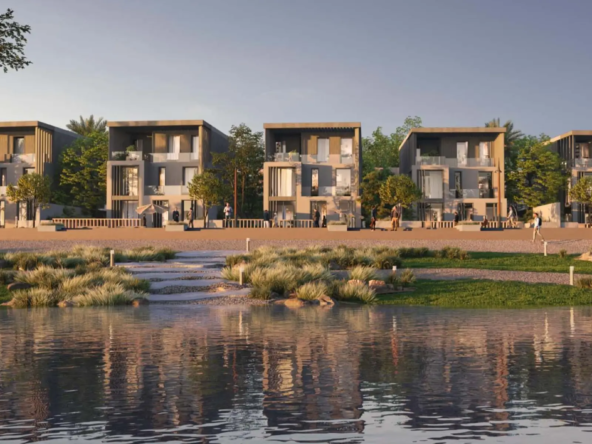
Wadi Zaha, Sultan Haitham City — Freehold Living in Oman’s New Capital District
alseeb oman Details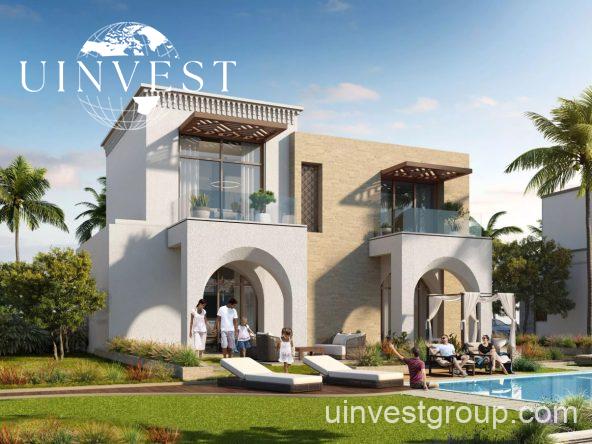
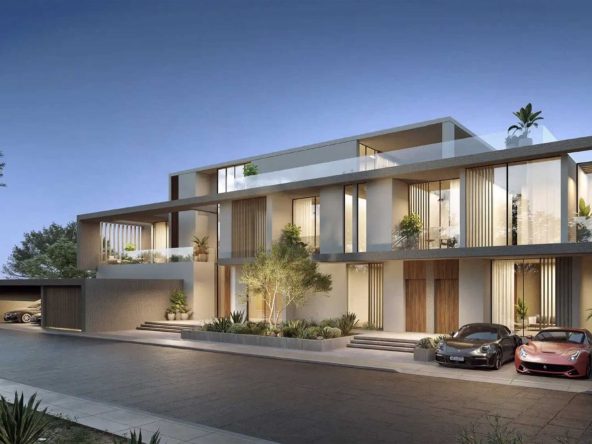
AIDA by DarGlobal, Yiti — Villas & Branded Residences with Trump Golf in Muscat, Oman
AIDA by DarGlobal, Yiti, Muscat, Oman Details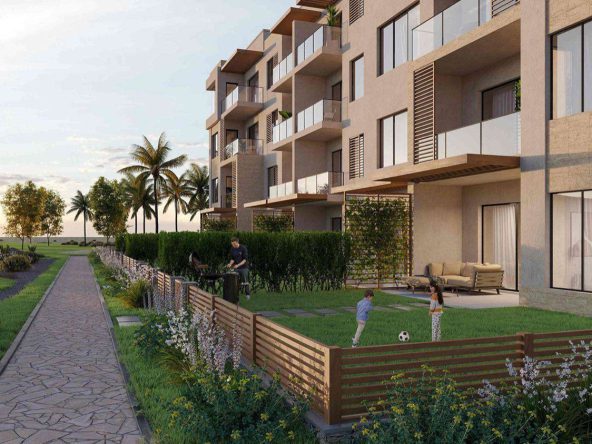
Solaris (Solar Residences), Jebel Sifah, Oman — Freehold Apartments from OMR 50,000
Solaris, Jebel Sifah, Muscat, Oman DetailsThe cheapest apartment in Oman is not freehold
The lowest price in our Omani portfolio is $76,700 at Maysan Duqm. It is also the only one on this page that does not come with a freehold title.
Duqm sits inside a Special Economic Zone, where property is allocated on 99-year leasehold. Royal Decree 38/2025 made freehold legally possible inside special economic zones, but no conversion mechanism or date has been published, so a Duqm purchase today is a long lease and should be underwritten as one. It is a perfectly reasonable thing to buy — it is not the same asset as everything else here.
The cheapest freehold apartment in Oman is Sarooj Oasis Apartments at $82,160, in Sultan Haitham City. That is the number to compare against, and it is still less than half the cheapest villa in the country.
Apartments in Oman at a glance
| Buying an apartment in Oman | |
|---|---|
| Who can buy | Any nationality — no sponsor, no local company |
| Ownership routes | Two — ITC freehold, or expatriate usufruct in buildings of four storeys and up |
| Projects | 31, across twelve areas |
| Cheapest overall | $76,700 — Maysan Duqm, 99-year leasehold |
| Cheapest freehold | $82,160 — Sarooj Oasis Apartments, Sultan Haitham City |
| Most expensive entry | $842,400 — The St. Regis Residences, Al Mouj |
| Best rate per sq ft | ~$100 — Hay Al Wafa, 1,700 sq ft from $170,600 |
| Dearest rate per sq ft | ~$666 — Mandarin Oriental three-bedroom |
| Ready today | Muscat Bay and The St. Regis Residences |
| Annual property tax | None — and none on rental income or capital gains |
| Clears OMR 200,000 for Golden Residency | One project at its entry price |
Every apartment project by entry price
Sorted by the cheapest unit in each project. Where a project publishes the size of that unit, the rate per square foot is calculated from it.
| Project | Where | From | Entry size | ~ Per sq ft | Handover |
|---|---|---|---|---|---|
| Maysan Duqm | Duqm | $76,700 (leasehold) | — | — | 2025 |
| Sarooj Oasis Apartments | Sultan Haitham City | $82,160 | — | — | 2028 |
| Plumeria | Sohar | $95,000 | — | — | 2026 |
| Uptown Muscat | Muscat | $106,900 | 409 sq ft | ~$261 | 2027 |
| Alef Qurum Residence | Muscat | $111,800 | 674 sq ft | ~$166 | 2029 |
| Wadi Zaha | Sultan Haitham City | $125,000 | 538 sq ft | ~$232 | Off-plan |
| Sea Front Residences, Taqah | Salalah | $128,700 | 592 sq ft | ~$217 | 2027 |
| Solar Residences | Jebel Sifah | $130,040 | 403 sq ft | ~$323 | 2027 |
| Al Sifah | Jebel Sifah | $143,000 | 431 sq ft | ~$332 | 2025 |
| Mira Ocean Estates | Salalah | $149,738 | — | — | 2028 |
| Golf Hills | Muscat Hills | $163,600 | 644 sq ft | ~$254 | 2028 |
| Yamal | Al Seeb | $165,800 | 743 sq ft | ~$223 | 2029 |
| Hay Al Wafa | Sultan Haitham City | $170,600 | 1,700 sq ft | ~$100 | 2027 |
| Yenaier Residences | Sultan Haitham City | $174,800 | — | — | 2028 |
| The Sustainable City – Yiti | Yiti | $182,000 | 531 sq ft | ~$343 | 2027 |
| Opal Residence | Muscat Hills | $194,100 | 883 sq ft | ~$220 | 2028 |
| The Great Escape, AIDA | Yiti | $195,000 | 600 sq ft | ~$325 | 2029 |
| Telal Al Qurm | Muscat | $200,100 | 958 sq ft | ~$209 | 2028 |
| Jood | Sultan Haitham City | $204,000 | 1,141 sq ft | ~$179 | 2030 |
| Azura Beach Residences | Al Mouj | $221,000 | — | — | 2026 |
| Taqah Long Beach Boutique | Salalah | $224,700 | 1,152 sq ft | ~$195 | 2026 |
| Muscat Bay | Muscat Bay | $234,100 | 850 sq ft | ~$275 | Complete |
| Lubana Island | Salalah | $258,800 | 721 sq ft | ~$359 | 2029 |
| Luma Residence | Muscat Bay | $300,500 | 1,211 sq ft | ~$248 | 2029 |
| Bellevue | Al Mouj | $337,800 | 936 sq ft | ~$361 | 2027 |
| Zen Residences | Muscat Bay | $358,900 | 1,378 sq ft | ~$260 | 2027 |
| AIDA by DarGlobal | Yiti | $416,000 | 1,345 sq ft | ~$309 | 2027 |
| Vistal | Al Mouj | $439,754 | 478 – 7,532 sq ft | — | 2029 |
| Mandarin Oriental Residences | Shatti Al Qurum | $447,416 | 823 sq ft | ~$537 | 2026 |
| Al Mina, Barr Al Jissah | Muscat Bay | $479,200 | 1,238 sq ft | ~$387 | 2027 |
| The St. Regis Residences | Al Mouj | $842,400 | 1,486 sq ft | ~$567 | Complete |
Unlike villas, the advertised “from” price on an Omani apartment project is usually genuinely the apartment. Mixed developments quote their cheapest unit, and in a mixed scheme that unit is almost always a studio or one-bedroom flat. That makes this page far more trustworthy at face value than our villas page, where the headline figure understates the villa by up to 8.7 times. The catch here is different, and it is about square footage.
The cheapest apartments are not the best value
Entry price tells you what you must spend. Price per square foot tells you what you get. In Oman the two rankings barely overlap.
| Rank | Project | Per sq ft | Size and price |
|---|---|---|---|
| 1 | Hay Al Wafa | ~$100 | 1,700 sq ft from $170,600 |
| 2 | Alef Qurum Residence | ~$166 | 674 sq ft from $111,800 |
| 3 | Jood | ~$179 | 1,141 sq ft from $204,000 |
| 4 | Taqah Long Beach Boutique | ~$195 | 1,152 sq ft from $224,700 |
| 5 | Telal Al Qurm | ~$209 | 958 sq ft from $200,100 |
| — | Mandarin Oriental, three-bedroom | ~$666 | 1,983 sq ft at $1,321,400 |
Two things jump out. The best-value apartment in Oman costs more than twice the cheapest one — Hay Al Wafa at $170,600 against Sarooj Oasis at $82,160 — and it delivers 1,700 square feet, which is larger than plenty of villas. If you are buying space rather than a foothold, the entry-price table above is the wrong table to read.
And the spread from best rate to worst is 6.7 times: a square foot at Hay Al Wafa costs about $100, a square foot in a Mandarin Oriental three-bedroom about $666. Both are freehold apartments in the same country, forty minutes apart. What separates them is the beach at Shatti Al Qurum, a hotel operator’s name on the door, and a finished building.
Four cheap prices, four asterisks
The four lowest entry prices on this page each carry a qualification that no brochure will volunteer. None of them is a reason not to buy — all four are reasons to ask one specific question before you do.
| Project | Price | What to check |
|---|---|---|
| Maysan Duqm | $76,700 | Leasehold, not freehold. 99 years inside the SEZ; no published conversion route |
| Sarooj Oasis Apartments | $82,160 | Prices below the OMR 50,000 figure widely quoted as Sultan Haitham City’s foreign-buyer minimum |
| Plumeria | $95,000 | Foreign eligibility at Sohar is marketed but not documented — ask for the licence |
| Uptown Muscat | $106,900 | Knowledge Oasis’s ITC status is unconfirmed in published sources |
The Sultan Haitham City point deserves spelling out, because it affects the cheapest freehold price on this page. An OMR 50,000 minimum purchase for foreign buyers is quoted almost everywhere Sultan Haitham City is discussed, and published officially nowhere. At today’s peg, $82,160 is OMR 31,590 and Wadi Zaha at $125,000 is OMR 48,062 — both under it. Either the quoted minimum does not apply to these releases, or these units are not open to foreign buyers at their entry tier. That is a question for the developer, in writing, before a deposit moves.
Apartments are the only Omani property you can buy two ways
Every other property type in Oman has exactly one route to foreign ownership: freehold inside a designated Integrated Tourism Complex. Apartments have two, and the second one exists only for them.
| ITC freehold | Expatriate usufruct | |
|---|---|---|
| What you get | Full title in your own name | A long-term registered right of use |
| Where it applies | Inside a designated complex or approved area | Units in buildings of four storeys or more |
| Reaches villas | Yes | No — villas are two storeys |
| Reaches land | Yes | No — land has no storeys |
| Reaches apartments | Yes | Yes |
| Inheritable | Yes | Confirm the terms in your specific deed |
This is a real and underrated advantage. An apartment is the only Omani property that can sit outside the ITC map and still be legally available to you, provided the building has four storeys or more. It widens the search beyond the resort communities and into ordinary residential Muscat in a way that no villa and no plot can match.
It also comes with a caution. Freehold and usufruct are not the same asset, they do not resell the same way, and they are not always distinguished clearly in marketing material. Establish which one you are being sold before you discuss price, and have an independent Omani lawyer confirm it at the land registry. The full picture is in buying property in Oman as a foreigner and freehold property in Oman.
Residency: where apartments are weakest
The Owner Visa is sponsor-free, tied to ownership, renewable, covers a spouse and first-degree relatives, and has no minimum purchase amount. Every freehold apartment on this page supports one, including the $82,160 entry.
Golden Residency is the ten-year permit and needs OMR 200,000, about $520,160. Here apartments fall short far more often than villas do.
| Apartment | Entry price | In rials | Against OMR 200,000 |
|---|---|---|---|
| The St. Regis Residences | $842,400 | OMR 323,900 | Clears |
| Al Mina | $479,200 | OMR 184,251 | Short by 15,749 |
| Mandarin Oriental | $447,416 | OMR 172,030 | Short by 27,970 |
| Vistal | $439,754 | OMR 169,084 | Short by 30,916 |
| AIDA by DarGlobal | $416,000 | OMR 159,951 | Short by 40,049 |
Exactly one apartment project clears the ten-year threshold at its entry price, against five villa projects that clear it comfortably. But entry price is not the only way in. The Mandarin Oriental two-bedroom at $761,600 is OMR 292,833 and clears easily, as does its three-bedroom. If Golden Residency is the objective, you are choosing a unit, not a project — run the rial figure on the specific apartment before you reserve. The routes are compared in Golden Residency vs the Owner Visa.
Branded residences: what the name costs
| Residence | Where | From | Entry size | Per sq ft |
|---|---|---|---|---|
| The St. Regis Residences | Al Mouj | $842,400 | 1,486 sq ft | ~$567 |
| Mandarin Oriental | Shatti Al Qurum | $447,416 | 823 sq ft | ~$537 |
| Vistal by Victoria Swarovski | Al Mouj | $439,754 | 478 – 7,532 sq ft | Not published |
The premium is easy to measure and harder to justify in a sentence. A branded square foot in Oman runs $537 to $666; an unbranded one in a comparable coastal scheme runs $248 to $387. You are paying roughly twice for hotel-standard servicing, a managed rental programme, and a name that travels internationally when you resell.
The Mandarin Oriental is the only one that publishes a full unit-by-unit breakdown, and it is worth reading closely: one-bedroom 823 sq ft at $442,100, two-bedroom 1,410 sq ft at $761,600, three-bedroom 1,983 sq ft at $1,321,400. The rate climbs with size rather than falling — $537, $540, then $666 per square foot — which is the reverse of how most markets price. Larger units here are the scarce ones. Our wider look is branded residences in Oman.
The two projects that do not publish a price
Two apartment projects show no figure on their listing card. Both do have published entry prices, and here they are.
| Project | Where | Actual entry price | Detail |
|---|---|---|---|
| Bellevue | Al Mouj | $337,800 | One-bedroom from 936 sq ft; two-bedroom from $440,800 at 1,227 sq ft; units 850 – 2,002 sq ft |
| Yenaier Residences | Sultan Haitham City | $174,800 | Freehold, open to any nationality, no local sponsor required |
A missing price is rarely a secret and usually an admin gap. If a project you like shows nothing, ask — the number generally exists.
The cheapest apartment in each area
| Area | Cheapest apartment | From |
|---|---|---|
| Duqm | Maysan Duqm (leasehold) | $76,700 |
| Sultan Haitham City | Sarooj Oasis Apartments | $82,160 |
| Sohar | Plumeria | $95,000 |
| Muscat | Uptown Muscat | $106,900 |
| Salalah | Sea Front Residences, Taqah | $128,700 |
| Jebel Sifah | Solar Residences | $130,040 |
| Muscat Hills | Golf Hills | $163,600 |
| Al Seeb | Yamal | $165,800 |
| Yiti | The Sustainable City – Yiti | $182,000 |
| Al Mouj | Azura Beach Residences | $221,000 |
| Muscat Bay | Muscat Bay | $234,100 |
| Shatti Al Qurum | Mandarin Oriental Residences | $447,416 |
The ladder runs almost perfectly from inland to shoreline. The three cheapest areas — Duqm, Sultan Haitham City and Sohar — are the three furthest from an established beachfront address, and the two dearest, Muscat Bay and Shatti Al Qurum, are on the water inside or beside the capital. Everything in between prices on how close it gets to the sea and how finished the surrounding community already is.
Ready now or waiting until 2030
| Handover | Projects |
|---|---|
| Complete today | Muscat Bay; The St. Regis Residences, handed over August 2024 |
| 2025 – 2026 | Maysan Duqm, Al Sifah, Plumeria Sohar, Mandarin Oriental, Taqah Long Beach, Azura Beach Residences |
| 2027 | Uptown Muscat, Sea Front Residences, Solar Residences, Hay Al Wafa, TSCY, Zen Residences, Bellevue, AIDA by DarGlobal, Al Mina |
| 2028 | Sarooj Oasis, Golf Hills, Opal Residence, Telal Al Qurm, Yenaier, Mira Ocean Estates |
| 2029 | Alef Qurum, Yamal, The Great Escape, Lubana Island, Luma Residence, Vistal |
| 2030 | Jood |
Two apartment projects in Oman are built and standing. Everything else is a floor plan, an escrow account and a delivery date between 2025 and 2030. If you need rental income inside twelve months, that top row is your shortlist — and it starts at $234,100 for Muscat Bay, roughly three times the cheapest off-plan entry, or $882,000 for a one-bedroom at the St. Regis.
What owning an apartment costs
| Item | Typical |
|---|---|
| Title transfer fee | 3% of the purchase price |
| VAT | 5% where it applies — confirm per project |
| Legal and registration | Budget separately; use your own independent lawyer |
| Service charge | Often unpublished. Mandarin Oriental: OMR 248 – 599 a year by unit size |
| Furnishing | Four figures on a one-bedroom — far less than a villa |
| Annual property tax | None |
| Rental income tax | None |
| Capital gains tax | None |
Budget roughly 8% on top of the price where VAT applies. The Mandarin Oriental is the most transparent scheme on service charges and a useful benchmark: OMR 248 a year on a 76 m² one-bedroom, OMR 426 on a 131 m² two-bedroom, OMR 599 on a 184 m² three-bedroom — a little over OMR 3 per square metre. Against Gulf norms of 1 – 2% of purchase price a year, that is low, but most Omani projects do not publish the figure at all. Ask for it in writing and ask whether it is fixed or charged per square metre. More in service charges in Oman and property tax in Oman.
Apartment, villa or land
| Apartment | Villa | Land | |
|---|---|---|---|
| Entry price | From $82,160 | From $195,100 | From $1,300,400 |
| Per sq ft | $100 – $666 | $118 – $660 | Land and build bundled |
| Ownership routes | Two | One | One |
| Projects to choose from | 31 | 17 | 2 |
| Ground you own | None | 140 – 545 m² | 1,000 m²+ |
| Resale market | Deepest — most units, most comparables | Thin | Almost none |
| Tenant turnover | Higher turnover, shorter voids | Low turnover, longer voids | — |
| Clears OMR 200,000 | One project at entry | Five projects | Every plot |
Two rows decide most cases. The apartment is the liquid asset: thirty-one projects and thousands of units mean a valuer has comparables to work from and you have a realistic exit. Land, at the other extreme, has two releases in the entire country and effectively no comparable-sales evidence at all.
But the apartment is the weakest residency instrument, with one project clearing the ten-year threshold at entry against five villa projects. Per square foot the two types are closer than most buyers expect — both start near $100 and both top out near $660 — so the apartment premium in Oman is not a rate premium. It is simply that apartments start three to five times smaller, which is exactly why they are the affordable way in.
Renting an Omani apartment out
Apartments let to singles, couples and expatriate professionals on twelve-month contracts, and in the resort communities to short-stay visitors. Turnover is higher than villas but voids are shorter, because the tenant pool is much wider and a replacement is usually weeks rather than months away.
Location decides the rest. Muscat, Sultan Haitham City and Al Seeb run on corporate and professional demand, year-round and unglamorous. Al Mouj, Muscat Bay and Jebel Sifah are holiday and second-home markets, which means seasonality and a management company taking its cut. Salalah compresses most of its demand into the three months of the Khareef monsoon — Oman’s one genuinely counter-cyclical rental season. Sohar and Duqm are industrial-employment plays whose rental demand rises and falls with port and zone activity rather than tourism. Full context in rental yields in Oman.
Eight checks before buying an apartment in Oman
- Establish freehold or usufruct in writing before discussing price. They are different assets and resell differently.
- Get the net internal area in square feet for the specific unit, and confirm whether balconies and parking are included in the quoted size.
- Check the entry price is the unit you want. In a mixed scheme the “from” price is the smallest studio, not the two-bedroom you were picturing.
- Ask for the annual service charge and whether it is fixed or per square metre. Most Omani projects do not publish it.
- If residency is the goal, price the unit in rials against OMR 200,000 — and remember one project clears it at entry, but several clear it one unit size up.
- For anything under about $110,000, verify eligibility specifically — the four cheapest entries on this page each carry a qualification.
- Confirm the escrow account and the handover date in the contract, not in the brochure.
- Ask what furnishing is included. A fitted kitchen and wardrobes are the difference between renting in month one and month four.
Frequently asked questions
Can foreigners buy apartments in Oman?
Yes. Buyers of any nationality can own an apartment with full freehold title in their own name inside a designated Integrated Tourism Complex, with no Omani sponsor and no local company. Apartments also have a second route unavailable to villas and land: expatriate usufruct, which applies to units in buildings of four storeys or more and reaches ordinary residential buildings outside the ITC map.
How much does an apartment cost in Oman?
From $82,160 for the cheapest freehold apartment — Sarooj Oasis Apartments in Sultan Haitham City — up to $842,400 for a St. Regis branded residence at Al Mouj. Maysan Duqm is cheaper still at $76,700 but is sold on 99-year leasehold rather than freehold. Per square foot the range runs from about $100 at Hay Al Wafa to about $666 for a Mandarin Oriental three-bedroom.
What is the cheapest apartment in Oman?
Maysan Duqm at $76,700, though that is leasehold. The cheapest freehold apartment is Sarooj Oasis Apartments at $82,160 in Sultan Haitham City, followed by Plumeria in Sohar at $95,000 and Uptown Muscat at $106,900. Each of the four carries a specific thing to verify before reserving.
Which apartment gives the most space for the money?
Hay Al Wafa in Sultan Haitham City — 1,700 sq ft from $170,600, about $100 per square foot, the best rate in the country and larger than many villas. Alef Qurum Residence in Muscat is second at about $166 per square foot, and Jood third at about $179.
Does buying an apartment give Oman residency?
A completed freehold purchase supports the sponsor-free Owner Visa, which has no minimum amount — so even the $82,160 entry qualifies. The ten-year Golden Residency requires OMR 200,000 (about $520,160), and only The St. Regis Residences clears that at its entry price. Several projects clear it one unit size up: the Mandarin Oriental two-bedroom at $761,600 is OMR 292,833.
Are there ready apartments in Oman, or only off-plan?
Two projects are complete: Muscat Bay from $234,100, and The St. Regis Residences at Al Mouj, handed over to owners in August 2024, from $882,000 for a one-bedroom. Every other project on this page is under construction with handover between 2025 and 2030, the furthest being Jood in 2030.
What is the difference between freehold and usufruct in Oman?
Freehold is full title registered in your name inside a designated complex, inheritable and freely resellable. Usufruct is a registered long-term right of use, available to expatriates for units in buildings of at least four storeys. Usufruct never applies to a villa or a plot, only to apartments. Confirm which one a specific unit is sold under before agreeing a price, and have an independent Omani lawyer verify it at the land registry.
Are service charges on Omani apartments high?
By Gulf standards they are low, but most projects do not publish them. The Mandarin Oriental is the clearest benchmark at OMR 248 to OMR 599 a year depending on unit size — a little over OMR 3 per square metre — against Gulf norms of 1 to 2% of purchase price annually. Always ask whether the charge is fixed or calculated per square metre.
Where is the best place to buy an apartment in Oman?
Sultan Haitham City for price and space per dollar; Muscat for year-round professional tenants; Al Mouj and Muscat Bay for established waterfront addresses and branded stock; Salalah for the Khareef season; Jebel Sifah for marina and golf at a mid-market entry. Apartment prices in Oman track distance from an established beachfront more closely than they track size or finish.
Related reading on this site
By property type: villas for sale in Oman, houses, land, townhouses, penthouses, studios, beach houses, affordable homes. By area: Muscat, Sultan Haitham City, Al Mouj, Muscat Bay, Salalah, Jebel Sifah, Muscat Hills, Shatti Al Qurum, Al Seeb, Yiti, Sohar, Duqm. Rules and process: buying as a foreigner, freehold property in Oman, comparing the ITCs, residency routes, property tax, service charges, rental yields, mortgages for foreigners, inheritance rules, market risks, all Oman property.
The verdict
Apartments are how most people should enter the Omani market, and the arithmetic says so plainly. $82,160 buys freehold title in your own name, with no annual property tax, no tax on rental income, no capital gains tax and a renewable residence permit attached to ownership with no minimum purchase. Nothing else in the country opens at less than half that.
Three things separate a good apartment purchase here from a careless one. The four cheapest prices on this page each carry a qualification — Duqm is leasehold, Sohar’s eligibility is marketed rather than documented, Knowledge Oasis’s complex status is unconfirmed, and two Sultan Haitham City projects price below the OMR 50,000 minimum that is quoted everywhere and published nowhere. Ask about yours specifically.
Entry price and value are different questions. The cheapest apartment in Oman is not the best one: Hay Al Wafa costs twice as much as Sarooj Oasis and delivers 1,700 square feet at about $100 per square foot, the lowest rate in the country. If you are buying space, read the rate table and ignore the price table.
And if the ten-year Golden Residency is the point of the purchase, an apartment is the hardest way to get there — one project clears OMR 200,000 at entry, against five villa projects. That does not make apartments the wrong choice; it makes the unit, not the project, the thing you are actually choosing. Bring the rial number to the table before you reserve.
Ask for unit-level prices, sizes and service charges
Further reading: the Ministry of Housing and Urban Planning registers title; the Ministry of Heritage and Tourism licenses Integrated Tourism Complexes; the Central Bank of Oman publishes lending benchmarks.
