























Oman gives foreign buyers full freehold ownership in a growing list of Integrated Tourism Complexes (ITCs), but the six or seven names that come up most often — Al Mouj, Muscat Bay, Muscat Hills, Jebel Sifah, Hawana Salalah, The Sustainable City – Yiti, plus newer entrants like Sultan Haitham City — are not interchangeable. They sit in different parts of the country, target different buyers, and reward different strategies. Choosing between them is usually a bigger decision than choosing between two buildings inside the same one. This guide puts Oman’s main freehold communities side by side, explains what actually separates them, and matches each one to the buyer profile it suits best — so you can narrow the list before you start comparing individual units.
Why the Choice of ITC Matters More Than the Choice of Unit
Inside any single ITC, the difference between a one-bedroom apartment and a three-bedroom townhouse is mostly a matter of budget and layout. The difference between ITCs is structural: it determines your rental pool, your resale liquidity, your day-to-day lifestyle, and how exposed you are to construction timelines you can’t control. A marina-front apartment in a mature, delivered community like Al Mouj behaves like a fundamentally different asset from an off-plan unit in a masterplan that’s still being built out, even if the price per square metre looks similar on paper.
ITC regulation and the freehold framework itself sit with Oman’s Ministry of Housing and Urban Planning, which oversees zoning and development approval across the Sultanate. Before comparing specific communities, it’s worth being clear on what an ITC actually is. For the full legal framework — freehold title, residency thresholds, and where foreign ownership is and isn’t permitted — see our guide to freehold property in Oman and Integrated Tourism Complexes. This article assumes that background and focuses purely on how the major communities differ from one another.
Oman’s Main Freehold Communities at a Glance
The table below summarises location, defining infrastructure, and the buyer profile each community suits best. Prices and specifics change as phases sell out, so treat this as a starting orientation rather than a live price list — every community links through to a full guide with current detail.
| Community | Location | Defining Feature | Best Suited To |
|---|---|---|---|
| Al Mouj Muscat | Muscat waterfront | 400-berth marina, Greg Norman golf course, W Muscat hotel | Buyers wanting the most established, highest-liquidity address |
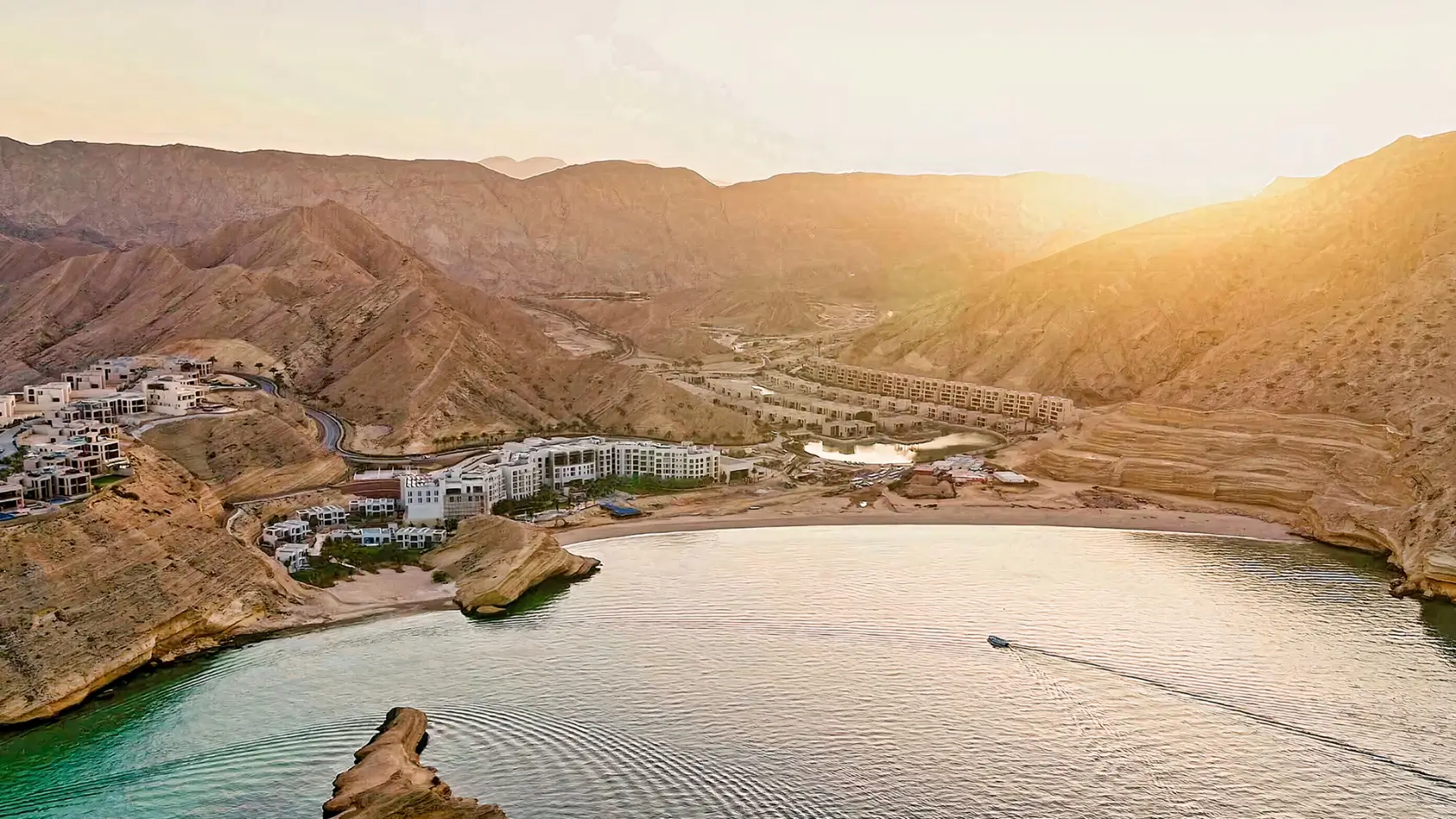
| Muscat Bay | Bandar Jissah, Muscat | Private cove, Jumeirah-operated resort village, mature resale market | Buyers who want a completed property with rental history to benchmark |
| Muscat Hills | Al Irfan, Muscat | Oman’s only 18-hole championship golf course | Golf-lifestyle buyers on a lower entry budget than Al Mouj |
| Jebel Sifah | 45 min south of Muscat | 117-berth marina, golf course, 5.5km of coastline | Holiday-home buyers and rental investors wanting delivered stock |
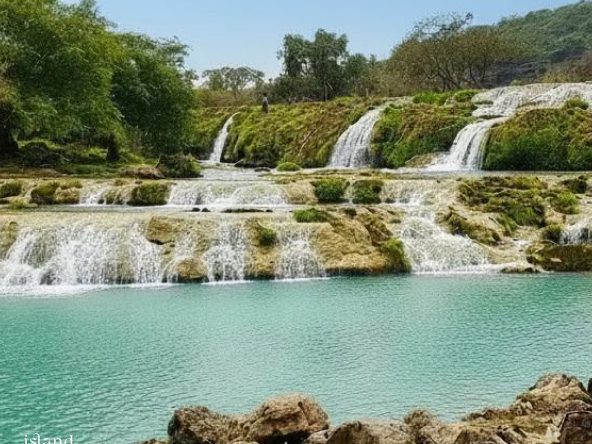
| Hawana Salalah | Salalah, Dhofar | 7km beach, marina, Khareef monsoon season tourism | Investors targeting a distinct, counter-seasonal rental calendar |
| The Sustainable City – Yiti | Southeast of Muscat | 100% renewable-energy masterplan, Nikki Beach-branded residences | Buyers prioritising sustainability positioning and long-term thesis |
| Sultan Haitham City | Al Seeb, near airport | 14.8 sq km new city, SOM masterplan, Vision 2040 flagship | Early-stage buyers comfortable with a longer development horizon |
| Duqm | Special Economic Zone | Port and industrial economy, not a resort-ITC model | Buyers with a specific logistics/industrial thesis, not lifestyle buyers |
| Sohar | Industrial north coast | Lowest entry prices among the areas on this list | Budget-first buyers prioritising affordability over amenities |
For a ranked, budget-first walk through all ten of Oman’s strongest investment areas, see our companion guide to the best areas to invest in Oman. This article takes a different approach: instead of ranking areas against each other, it compares them criterion by criterion so you can see exactly where each community wins and loses.
Al Mouj Muscat — The Established Waterfront Flagship
Al Mouj is Oman’s largest and most established freehold waterfront community, and the benchmark every newer ITC in the Sultanate is measured against. It’s built around a working 400-berth marina, a Greg Norman-designed championship golf course, and a W Muscat hotel, with more than a decade of delivered residential phases behind it. That maturity is the whole investment case: Al Mouj has the deepest resale market of any Oman ITC, the widest range of completed inventory, and the most established short-term and long-term rental demand.
The trade-off is price. Al Mouj commands the highest per-square-metre pricing of any community on this list, and buyers looking for value or a ground-floor entry point are usually better served elsewhere. What you’re paying for is certainty — a known quantity with a track record, rather than a bet on a masterplan still being built. For the full breakdown of districts, unit types, and current pricing bands, see our complete Al Mouj Muscat investment guide.
Muscat Bay — Boutique, Branded, and Already Trading Hands
Muscat Bay is Oman’s only fully integrated resort village, developed by Eagle Hills in partnership with OMRAN and operated under the Jumeirah hospitality brand. It’s wrapped around a private cove in Bandar Jissah, backed by mountains rather than open coastline, and is one of the few ITCs in the country where a genuine secondary market already exists — several villa and apartment collections have changed hands at least once.
That resale history is valuable for a specific reason: it lets a buyer benchmark actual achieved prices and actual rental performance, rather than relying on a developer’s projections. Entry pricing sits toward the premium end of the market, closer to Al Mouj than to Jebel Sifah, reflecting delivered infrastructure and the Jumeirah brand. Muscat Bay suits buyers who want a smaller, more boutique community than Al Mouj’s scale, with the reassurance of an inspectable, already-lived-in product.
Muscat Hills — Golf Living at a Lower Entry Price
Muscat Hills, in the Al Irfan district, is built around Oman’s only 18-hole championship golf course, and it exists as the accessible alternative to Al Mouj for buyers who want a golf-course lifestyle without marina-front pricing. Projects such as Golf Hills by Al Osool Group deliver golf-facing residential towers, while Opal Residence adds a mixed residential and retail component to the community.
Muscat Hills won’t give you Al Mouj’s marina or Muscat Bay’s cove setting, but it offers a genuinely lower cost of entry into a flagship-adjacent Muscat address, which makes it a common second choice for buyers priced out of the two communities above it. It’s a sensible pick for buyers who want an established freehold address in Muscat proper without stretching to top-tier pricing.
Jebel Sifah — Marina and Golf, 45 Minutes South of Muscat
Jebel Sifah, developed by Muriya, is a beachfront resort community roughly 45 minutes to an hour southeast of Muscat, set between the Al Hajar Mountains and 5.5 kilometres of coastline. It combines a 117-berth marina, a golf course, a boutique hotel, and a diving and water sports centre — and unlike some of the newer names in Oman’s property conversation, it is already built, already selling, and already home to residents and holidaymakers today rather than existing as an announcement.
That combination of delivered infrastructure and a meaningful distance from Muscat’s centre gives Jebel Sifah a distinct profile: prices are noticeably below Al Mouj and Muscat Bay, the pace of life is quieter, and the buyer base skews toward holiday homes and rental investment rather than full-time Muscat living. For investors comparing Oman’s more mature, amenity-rich communities against newer masterplans like Sultan Haitham City, Jebel Sifah is often the reference point. Full detail on collections, pricing, and returns is in our complete Jebel Sifah guide.
Hawana Salalah — The Monsoon-Season Outlier
Hawana Salalah sits apart from every other community on this list geographically and seasonally. It’s a beachfront resort ITC on Oman’s southern coast, about 20 minutes from Salalah city and roughly the same distance from Salalah International Airport, in Dhofar Governorate — over 1,000km from Muscat. Master-developed by Muriya, the same state-linked developer behind Jebel Sifah, it spans 13.6 million square metres and combines residential neighbourhoods with a marina, an aquapark, hotels, and 7 kilometres of sandy beach.
What genuinely sets Hawana Salalah apart is Dhofar’s Khareef monsoon season, which turns the region green and temperate from roughly June through September, drawing huge numbers of Gulf tourists escaping summer heat elsewhere in the region. That gives Hawana Salalah a rental calendar that runs opposite to Muscat’s ITCs, which makes it a genuinely useful diversification play for an investor who already owns in Al Mouj or Jebel Sifah and wants exposure to a different demand cycle rather than more of the same one. See our full Hawana Salalah guide for the latest phase, Amazi, and current pricing.
The Sustainable City – Yiti — Oman’s Net-Zero Bet
The Sustainable City – Yiti is Oman’s flagship net-zero masterplan, developed by Diamond Developers in partnership with OMRAN along the Arabian Sea coastline southeast of Muscat. It’s a direct Omani extension of Diamond Developers’ Sustainable City model first proven in Dubai, built around 100% renewable energy generation, water conservation infrastructure, and an integrated organic-farming and green-mobility framework — positioned as a flagship step toward Oman’s ambition to deliver the world’s first net-zero-emission city by 2040. OMRAN’s own project pages set out its wider portfolio of state-backed tourism developments alongside Yiti; see OMRAN Group for the full list.
The masterplan spans studios and apartments through to Nikki Beach-branded residences and 300 exclusive villas across 1,657 properties in total. Yiti suits a specific buyer: someone who wants exposure to Oman’s sustainability thesis specifically, values the wellness and eco-community positioning over marina or golf infrastructure, and is comfortable buying into a masterplan that’s still delivering phases rather than a fully mature community. Full detail is in our Sustainable City – Yiti investor guide.
Sultan Haitham City — The Earliest-Stage, Highest-Conviction Bet
Zoning and master-plan approval for Sultan Haitham City is overseen by Oman’s Ministry of Housing and Urban Planning, the same authority confirming freehold eligibility across every ITC on this list.
Sultan Haitham City is different in kind from every community above it: it’s not a resort ITC being built around a marina or golf course, but an entirely new city being commissioned by Oman’s Ministry of Housing and Urban Planning as a cornerstone of Oman Vision 2040. Named after Sultan Haitham bin Tariq, it’s rising on a 14.8 square kilometre site in the Wilayat of Al Seeb, just 12 to 15 minutes from Muscat International Airport, designed by the internationally renowned architecture firm SOM (Skidmore, Owings & Merrill) for a target population of 100,000 residents.
Buying into Sultan Haitham City today means buying earliest-stage, which is precisely its appeal and its risk in the same breath: entry pricing sits below the established marina communities, and the upside case rests on genuinely significant government infrastructure spending materialising on schedule. It suits buyers with a longer time horizon and a higher tolerance for construction and delivery timelines, rather than investors who want a rental-ready asset this year. Full detail is in our Sultan Haitham City investor guide.
Beyond the Flagship List: Duqm and Sohar
Population and construction data from the National Centre for Statistics and Information shows Duqm and Sohar growing on an industrial rather than tourism trajectory, a distinct demand driver from the coastal resort ITCs above.
Two more names come up often enough in Oman investment conversations to be worth a mention, even though neither fits the standard resort-ITC template. Duqm sits apart from Oman’s usual ITC model entirely — it’s administered under the Special Economic Zone at Duqm (SEZAD) rather than the tourism-ITC framework used everywhere else on this list, and it’s anchored by Duqm Port and a growing industrial and logistics economy rather than resort tourism. Freehold eligibility, residency qualification, and ownership structure can vary by individual development in Duqm, so it’s the one area here where confirming project-specific terms before committing matters more than usual, rather than assuming the same rules apply as in Muscat’s ITCs.
Sohar, on Oman’s industrial north coast, offers the lowest entry prices of any area covered in this guide. It won’t give you marina or golf-course lifestyle amenities, but for buyers whose priority is affordability first and lifestyle second — or investors targeting Sohar’s industrial and port-driven rental demand specifically — it’s a genuinely different proposition from anything in the Muscat or Salalah conversation.
How These Communities Compare on Price and Delivery Stage
Two variables explain most of the price gap between Oman’s ITCs: how delivered the community already is, and how central its location is to Muscat’s business district and airport. Al Mouj and Muscat Bay sit at the top of the pricing scale precisely because both variables work in their favour — mature infrastructure, established demand, and a genuine track record of resales at real, verifiable prices. Muscat Hills undercuts both while staying inside Muscat proper, which is why it functions as the natural next step down for buyers priced out of the top two.
Move outside Muscat and the picture changes. Jebel Sifah and Hawana Salalah both trade at a discount to the Muscat waterfront despite being fully delivered, simply because they’re 45 minutes to over an hour from the capital’s business district — you’re paying less for the same construction quality because the location trades convenience for lifestyle and coastline. Yiti and Sultan Haitham City sit at the earliest stage of delivery among the names covered here, which is reflected in entry pricing that’s generally the most accessible of the flagship projects — the trade-off being that buyers are underwriting a masterplan still being built out rather than a finished product. Duqm and Sohar operate on an entirely different logic again, driven by industrial and logistics fundamentals rather than resort positioning, which is why their entry prices sit apart from the rest of this comparison altogether.
Which ITC Fits Which Buyer?
| Buyer Profile | Best-Fit ITC |
|---|---|
| Maximum liquidity | Al Mouj Muscat |
| Ground-floor pricing | Sultan Haitham City |
| Golf lifestyle on a budget | Muscat Hills |
| Seasonal rental yield | Hawana Salalah |
| Sustainability-focused | Yiti |
Rather than asking “which is the best ITC,” it’s more useful to ask which one matches your actual goal. Here’s how the communities above sort by buyer profile.
You want the safest, most liquid asset and are prepared to pay for it. Al Mouj Muscat. The deepest resale market, the longest track record, and the widest range of completed inventory in the country.
You want a delivered, inspectable property with real rental history to underwrite against. Muscat Bay or Jebel Sifah. Both have meaningful secondary markets; Muscat Bay sits at the premium end, Jebel Sifah at a more moderate one.
You want an established Muscat address without paying marina-front prices. Muscat Hills. Golf-course lifestyle and flagship-adjacent positioning at a materially lower entry point than Al Mouj or Muscat Bay.
You already own in a Muscat ITC and want to diversify your rental calendar. Hawana Salalah. The Khareef monsoon season gives it a demand cycle that runs opposite to Muscat’s peak seasons, which is genuinely useful portfolio construction rather than just a second holiday home.
You care about the sustainability thesis and are comfortable with a still-delivering masterplan. The Sustainable City – Yiti. This is a values-and-thesis purchase as much as a yield purchase — go in understanding that.
You have a long time horizon and want the earliest possible entry into Oman’s biggest infrastructure story. Sultan Haitham City. Highest conviction required, but also the lowest entry pricing among the government-backed flagship projects, with upside tied directly to Vision 2040 spending.
Budget is the overriding constraint. Sohar, or the more affordable phases within Muscat Hills. Neither will give you resort infrastructure, but both keep the entry ticket meaningfully lower than anything on Muscat’s waterfront.
A Short Due-Diligence Checklist Before You Commit
Whichever community you land on, a handful of checks apply regardless of which ITC you’re buying into:
- Confirm the title category. Most ITC property is sold on full freehold title, but usufruct structures exist in some developments and behave differently on resale and inheritance — always verify which one applies to the specific unit.
- Check the developer’s delivery track record on this specific project, not just their reputation generally — a strong name doesn’t guarantee every phase lands on schedule.
- Understand the residency threshold that applies to your purchase. See our guide to Oman’s Golden Residency and Owner Visa routes for the current thresholds and which one fits your purchase size.
- Model the real transaction costs, not just the headline price — our Oman property tax guide breaks down transfer fees and the other costs that apply on top of the purchase price.
- Get a realistic rental yield estimate for the specific community and unit type, rather than an average across the country — our Oman rental yields guide breaks down returns by area.
- Confirm financing options if you need them. Not every bank lends against every ITC on the same terms — see our Oman mortgage guide for foreign buyers for how financing actually works community by community.
Frequently Asked Questions
Which Oman ITC has the best rental yields?
It depends on unit type and season more than it depends on which community you pick in isolation. Jebel Sifah and Hawana Salalah tend to perform well on holiday-let yield given their resort infrastructure; Al Mouj and Muscat Bay tend to command lower gross yield but higher price stability and liquidity. See our full rental yields breakdown for area-by-area figures.
Is it better to buy in a mature ITC or an early-stage one like Sultan Haitham City?
Mature communities like Al Mouj and Muscat Bay give you certainty and liquidity today; early-stage projects like Sultan Haitham City offer lower entry pricing with more upside tied to infrastructure delivery, but more risk if that delivery slips. Neither is objectively better — it depends on your time horizon and risk tolerance.
Can I get a mortgage on property in any of these ITCs?
Financing is generally available against freehold units in established ITCs, though terms and loan-to-value ratios can vary by community and developer. See our Oman mortgage guide for current terms.
Do all of these communities qualify for Oman residency?
Property purchases across Oman’s ITCs generally qualify for residency once they meet the applicable value threshold, whether under the long-standing Golden Residency programme or the newer Owner Visa. Thresholds and renewal terms differ between the two — see our residency comparison guide for the current rules.
Which community is best for a family relocating full-time rather than investing?
Al Mouj and Muscat Hills, both inside Muscat proper, offer the shortest commutes to the city’s schools, hospitals, and business districts. Jebel Sifah, Hawana Salalah, and Yiti suit families prioritising lifestyle and space over daily proximity to central Muscat.
Is Hawana Salalah worth considering if I’m not interested in the Khareef season specifically?
It can be, but the investment case is weaker without it. Hawana Salalah’s rental demand is heavily seasonal, so buyers uninterested in the monsoon-tourism dynamic should weigh whether a Muscat-area ITC with more consistent year-round demand fits their goals better.
Talk to Us Before You Choose
Every community in this guide has a genuinely different risk, liquidity, and lifestyle profile, and the right answer depends on what you’re actually optimising for — capital security, rental yield, lifestyle, or long-term upside. UInvest Group works across all of Oman’s major freehold communities, not just one developer’s inventory, so we can compare real, current listings across Al Mouj, Muscat Bay, Muscat Hills, Jebel Sifah, Hawana Salalah, Yiti, and Sultan Haitham City side by side for your specific budget and goals.
Tell us your budget and what you’re optimising for, and one of our Oman specialists will put together a shortlist across the communities that actually fit — not just the one we happen to have the most listings in. Message us on WhatsApp or Telegram, or use the contact form to get started.