

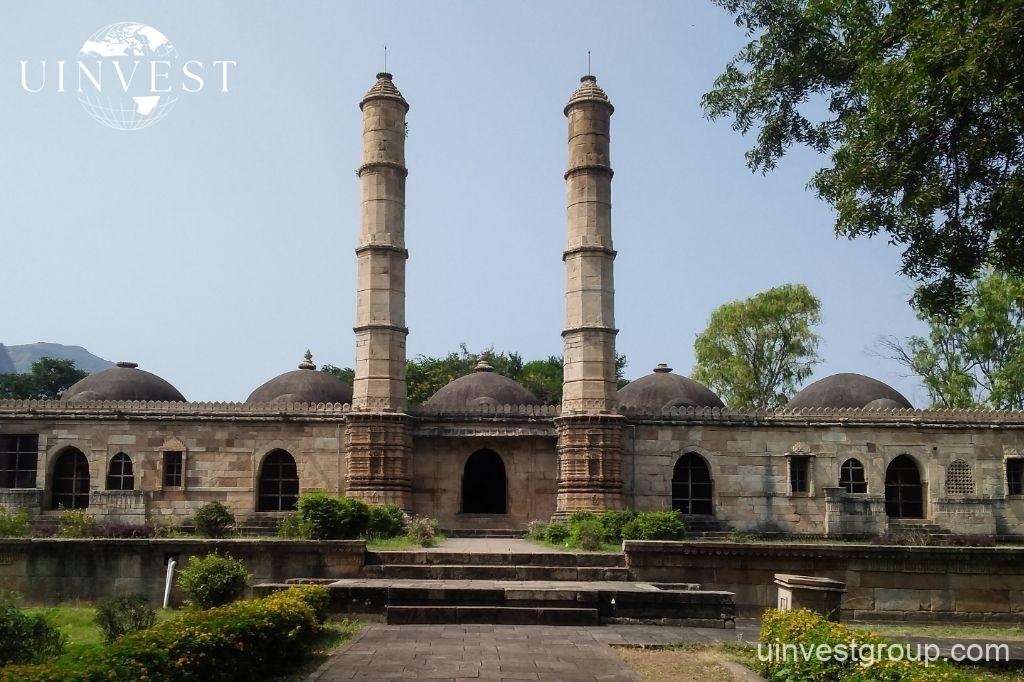
This Salalah Oman travel guide covers a city unlike anywhere else in the Sultanate: Salalah, the capital of Omans southern Dhofar region, is unlike anywhere else in the Sultanate — and unlike almost anywhere else in the Arabian Peninsula. While most of Oman and its Gulf neighbors bake under relentless summer heat, Salalah transforms each year during the Khareef monsoon season into a landscape of mist, waterfalls, and green hillsides more reminiscent of East Africa than the desert Gulf. For travelers and for the growing number of buyers exploring property investment in Oman beyond Muscat, Salalah offers a genuinely distinct destination — one built on frankincense heritage, dramatic coastline, and a tourism season that runs opposite to the rest of the regions calendar. This guide covers what to see, when to visit, and what makes Salalah worth serious attention.
When to Visit: Understanding the Khareef Season
Salalahs defining feature is the Khareef (monsoon) season, running roughly from late June through early September, when moisture-laden winds off the Arabian Sea bring sustained drizzle, cooling temperatures, and a dramatic transformation of the surrounding Dhofar mountains into lush green terrain, complete with seasonal waterfalls and grazing livestock on hillsides that are dry and brown the rest of the year. This is genuinely unusual for the region — while the rest of the Gulf swelters through peak summer heat, Salalah during Khareef offers daytime temperatures often in the low-to-mid 20s Celsius, drawing large numbers of visitors from across the Gulf specifically to escape the heat elsewhere.
Outside Khareef season, Salalah reverts to a more typical warm, dry climate, and the winter months (November through March) offer pleasant, comfortable weather for exploring the coast, historical sites, and souks without the crowds and moisture of peak Khareef season. Travelers specifically chasing the green-season phenomenon should plan around the Khareef window deliberately, since the transformation is temporary and the crowds — largely regional visitors from Gulf countries — peak accordingly during those weeks.
Top Attractions in and Around Salalah
Ayn Razat and Ayn Athum
These natural spring sites sit in valleys at the base of the Dhofar mountains and are among the most popular Khareef-season destinations, with cool spring water, lush greenery, and a noticeably cooler microclimate than the coastal city center. Outside Khareef season, the springs still flow, offering a quieter, less crowded visit.
Al Husn Souk and Al Haffa Souk
Salalahs traditional markets are centered on frankincense — the aromatic resin that has been the regions signature export for millennia, harvested from trees native to the Dhofar mountains. Al Haffa Souk, close to the coast, is particularly known for frankincense, along with traditional Omani textiles, spices, and handicrafts, and remains one of the most authentic traditional market experiences in Oman.
Land of Frankincense UNESCO Sites
Dhofars frankincense heritage is significant enough to have earned UNESCO World Heritage status across several related sites, including the ancient port of Al-Baleed, once a major hub in the historic frankincense trade route connecting Arabia to India, East Africa, and the Mediterranean. The Al-Baleed Archaeological Park, alongside the adjacent Museum of the Frankincense Land, offers the most accessible introduction to this history for visitors.
Mughsail Beach and the Blowholes
West of the city, Mughsail Beach offers a dramatic coastal landscape framed by cliffs, with natural blowholes that, particularly during Khareef season when swells are stronger, shoot seawater dramatically through rock formations along the shore — one of Salalahs most photographed natural features.
Sultan Qaboos Mosque, Salalah
Salalah has its own Sultan Qaboos Mosque, distinct from the larger Grand Mosque in Muscat, offering an accessible example of contemporary Omani religious architecture for visitors interested in the countrys Islamic heritage.
Jobs Tomb (Nabi Ayoub)
Located in the hills above Salalah, this site, revered as the tomb of the Prophet Job in Islamic tradition, offers both religious significance for visitors and sweeping views over the Dhofar coastline and mountains from its elevated position.
Frankincense: Salalahs Signature Product
No visit to Salalah is complete without engaging with its frankincense heritage in some depth. The Dhofar regions specific climate and soil conditions produce what is widely considered among the highest-quality frankincense resin in the world, harvested from Boswellia sacra trees that grow wild in the surrounding hills. Visitors can see the trees themselves in several accessible locations outside the city, purchase resin directly from souk vendors at a wide range of quality grades, and learn about the traditional harvesting and grading process — knowledge passed down through generations of Dhofari families involved in the trade.
Day Trips from Salalah: Mirbat and Taqah
Mirbat
A historic fishing town roughly an hour east of Salalah, Mirbat offers a quieter, more traditional glimpse of coastal Dhofar life, along with its own historic fort and a working harbor where visitors can watch the daily fish market in action. Mirbats relative lack of development compared to central Salalah appeals to travelers seeking a more authentic, less tourist-oriented stop.
Taqah
Between Salalah and Mirbat, Taqah offers its own restored fort, a scenic lagoon (khor) popular with birdwatchers given the wetland habitat it creates, and a smaller-scale souk experience compared to Salalahs larger markets. The town makes an easy half-day addition to a Mirbat excursion given its position along the same coastal route.
Wadi Darbat
One of Dhofars most scenic valleys, particularly spectacular during and immediately after Khareef season when seasonal waterfalls cascade down the valleys limestone cliffs into pools below. Boat rides are commonly available on the valleys seasonal lake during peak Khareef season, and the surrounding hills offer some of the most reliably green scenery in the region during the monsoon window.
Dhofari Culture and Cuisine
Dhofars culture carries distinct regional characteristics within Oman, shaped by its historic role in the frankincense trade and its geographic and climatic separation from the rest of the country. The Dhofari dialect of Arabic differs noticeably from the Arabic spoken in Muscat and northern Oman, and the regions cuisine reflects both its Arabian and East African historical trade connections, with dishes incorporating coconut, seafood, and spice combinations less commonly found in northern Omani cooking. Visitors interested in food should seek out grilled fish specialties along the coast, traditional Dhofari bread, and the regions distinctive approach to preparing dates and other local produce, widely available in Salalahs central market areas.
Where to Stay in Salalah
Salalahs accommodation ranges from international resort-standard hotels along the coast, popular with Khareef-season visitors seeking a full resort experience, to smaller boutique and mid-range hotels closer to the city center, more convenient for visitors prioritizing access to the souks and historical sites over beachfront resort amenities. Given the sharp seasonal demand spike during Khareef, pricing and availability both tighten considerably during that window, and travelers planning a Khareef visit are well advised to book several months ahead rather than assuming last-minute availability, particularly for the most established beachfront resort properties.
Getting to Salalah
Salalah Airport offers direct domestic connections from Muscat, roughly a 90-minute flight, as well as a growing number of regional international connections given the citys popularity as a Khareef-season destination for Gulf travelers. The overland route from Muscat to Salalah is a substantial multi-hour desert drive, more commonly undertaken by travelers specifically wanting to see the desert landscape en route, or by residents relocating between the two cities, rather than as the primary way most visitors reach Salalah.
Salalahs Growing Role in Omans Property and Tourism Strategy
Beyond its tourism appeal, Salalah plays a meaningful role in Omans broader economic diversification strategy under Vision 2040, with continued investment in tourism infrastructure, port and logistics capacity (Salalahs port is one of the regions major container transshipment hubs), and — increasingly relevant for property investors — freehold real estate development aimed at both regional and international buyers. The citys unique Khareef-season tourism draw, combined with its year-round port and logistics economic base, gives it a genuinely different growth profile from Muscats more diversified, capital-city economy, appealing to investors specifically interested in Omans secondary cities rather than concentrating solely on the capital.
Wildlife and Nature Beyond the Waterfalls
Dhofars unique monsoon-fed ecosystem supports a range of wildlife not typically associated with the Arabian Peninsula, including migratory bird species that pass through the regions wetlands and lagoons (khors) at Taqah and elsewhere along the coast, making the area a genuine draw for birdwatchers, particularly during migration seasons. The mountains behind Salalah also support populations of the endangered Arabian leopard, though sightings are extremely rare and generally confined to specific protected conservation areas rather than accessible tourist routes. Camel and goat herding remain visible traditional practices in the hills around the city, particularly noticeable against the green Khareef-season backdrop.
Shopping Beyond Frankincense
While frankincense is Salalahs signature purchase, the souks also offer high-quality Omani silver jewelry, traditional textiles, and locally produced perfumes and oils that make use of the regions frankincense and other aromatic resources in more processed forms — attar-style oils and frankincense-infused products are widely available alongside the raw resin itself. Bargaining is generally expected and accepted practice in the traditional souks, in contrast to fixed-price shopping malls elsewhere in the city, and a polite, unhurried negotiating style is well received by vendors accustomed to dealing with both regional and international visitors.
Practical Travel Tips
- Book accommodation well in advance for Khareef season (late June through early September), since this is by far Salalahs busiest period and hotel availability tightens significantly.
- Visit outside Khareef for a quieter, still-pleasant experience if crowds are a concern, particularly the winter months of November through March.
- Rent a car for exploring beyond the city center, since many of Salalahs best attractions — Ayn Razat, Mughsail Beach, Jobs Tomb — are located outside the immediate urban area and are most easily reached independently.
- Sample frankincense at multiple souk vendors before buying, since quality and pricing vary considerably, and an experienced vendor can walk first-time buyers through grading differences.
- Respect local dress and customs as in the rest of Oman, particularly at religious sites like Jobs Tomb and the Sultan Qaboos Mosque.
Al-Baleed and the Deeper History of the Frankincense Trade
The Al-Baleed Archaeological Park deserves particular attention beyond a brief stop, since it preserves the remains of a major medieval port city that once anchored one of the ancient worlds most valuable trade networks. Frankincense from Dhofar was shipped from ports like Al-Baleed across the Indian Ocean and up the Red Sea, eventually reaching markets as far as Rome and China, and the wealth this trade generated shaped the regions history for centuries before modern Oman took its current form. The adjacent Museum of the Frankincense Land contextualizes this history with artifacts recovered from the site, alongside broader exhibits on Omani maritime and trading history, making the combined visit one of the most substantive cultural stops in the entire Dhofar region rather than simply a photo opportunity among ruins.
Environmental and Conservation Considerations
Dhofars frankincense trees face genuine long-term sustainability pressure from a combination of overharvesting, grazing pressure from livestock, and slow natural regeneration rates, and various conservation and sustainable-harvesting initiatives have been introduced in recent years to protect the resource that has defined the regions identity and economy for millennia. Visitors purchasing frankincense can support these efforts indirectly by buying from established, reputable souk vendors rather than informal roadside sellers, since established vendors are more likely to source from sustainably managed harvesting operations.
How Salalah Compares to Muscat for Visitors and Investors
- Muscat: Omans capital and largest city, offering the widest range of urban amenities, the main international airport hub, and the countrys most established freehold property market.
- Salalah: A distinct climate and landscape experience built around Khareef-season tourism, frankincense heritage, and a significant port and logistics economy, with a smaller but growing freehold property market attracting both regional Gulf visitors and international investors drawn to its unique seasonal appeal.
For travelers, the two cities offer genuinely different experiences rather than competing versions of the same thing — Muscat for Omans urban, historical, and capital-city character, Salalah for its unique monsoon-driven landscape and frankincense heritage.
Suggested Itineraries
A Three-Day Salalah Visit
- Day 1: Al-Baleed Archaeological Park and the Museum of the Frankincense Land in the morning, Al Haffa Souk in the afternoon, and a coastal sunset walk near the city center.
- Day 2: Full-day excursion west to Mughsail Beach and the blowholes, continuing to Jobs Tomb for its elevated views over the coastline.
- Day 3: Day trip east to Taqah and Mirbat, taking in both towns forts and, during Khareef season, a stop at Wadi Darbat en route.
Extending to Five Days
Adding two further days allows time for Ayn Razat and Ayn Athum at a relaxed pace, a deeper exploration of Salalahs central souks and shopping beyond the first days introduction, and additional flexibility to extend any excursion that particularly appeals — Khareef-season visitors in particular often find the green valleys and waterfalls worth returning to more than once during a longer stay.
Frequently Asked Questions
What is the best time of year to visit Salalah?
For the unique Khareef monsoon transformation, late June through early September; for a quieter visit with pleasant, dry weather, the winter months of November through March.
Is Salalah the same as the Sahara Desert?
No — this is a common point of confusion given the phonetic similarity. Salalah is a coastal city in southern Omans Dhofar region, entirely distinct from the Sahara Desert in North Africa.
What is Salalah known for?
Its Khareef monsoon season, frankincense heritage and trade history, UNESCO-listed archaeological sites, and dramatic coastal and mountain landscapes distinct from the rest of Oman and the wider Gulf region.
How do I get to Salalah from Muscat?
By a roughly 90-minute domestic flight, the most common option for visitors, or by a substantial multi-hour overland drive across the desert for those specifically wanting the road-trip experience.
Is Salalah a good place to invest in property?
It offers a smaller, earlier-stage freehold market than Muscat, supported by its unique tourism draw and significant port and logistics economy — worth evaluating alongside Muscat for investors specifically interested in Omans secondary cities rather than only the capital.
Do I need a car to see Salalah properly?
Not strictly for the city center itself, but a rental car or arranged driver is strongly recommended for reaching the outlying attractions — Ayn Razat, Mughsail Beach, Jobs Tomb, Wadi Darbat, and the Mirbat and Taqah day trip — since public transport options to these sites are limited.
Is Salalah safe for tourists?
Yes, Salalah shares Omans broadly strong safety reputation, and the city is well accustomed to tourism, particularly during the Khareef season when regional visitor numbers are highest.
How does Salalahs climate compare to Muscat?
Muscat has a more typical hot, dry Gulf climate year-round; Salalah shares that pattern outside Khareef season but transforms dramatically during the June-to-September monsoon window, a distinction unique to Dhofar within Oman.
Can I combine a Salalah trip with visiting Muscat?
Yes, this is a common itinerary given the short domestic flight connecting the two cities, allowing visitors to experience both Omans capital and the distinct Dhofar region within a single trip.
Key Takeaways
- Khareef season (late June to early September) is Salalahs signature draw, transforming the Dhofar mountains into green, waterfall-fed landscapes unlike anywhere else in the Gulf.
- Al-Baleed, Al Haffa Souk, and the frankincense trade heritage give Salalah cultural depth well beyond the seasonal weather spectacle.
- Mughsail Beach, Mirbat, Taqah, and Wadi Darbat all reward a rental car and a day or two beyond the city center.
- Outside Khareef, Salalah offers a quieter, still-pleasant visit, particularly November through March.
- Salalahs port and logistics economy, alongside its growing freehold property market, make it worth a look for investors interested in Oman beyond Muscat.
The Bottom Line
Salalah offers one of the most genuinely distinctive travel experiences in the Arabian Peninsula, built around a monsoon season that transforms its landscape unlike anywhere else in the Gulf, alongside deep frankincense heritage and significant archaeological sites. For visitors planning around the Khareef window, or those exploring Omans property market beyond Muscat, Salalah rewards the extra effort to reach it well beyond its reputation as simply a monsoon-season curiosity.

