



То, что определяет всё остальное
Оман — самый доступный рынок фрихолда в Заливе с серьёзной правовой базой за ним. Вы владеете полностью, на своё имя, не платите ежегодного налога на недвижимость, налога на прирост капитала при перепродаже и подоходного налога с аренды, а достаточно крупная покупка конвертируется в десятилетнее резидентство. Вход начинается с $76 700 — заметно ниже всего сопоставимого в ОАЭ.
А затем — граница. Иностранный фрихолд в Омане существует только внутри интегрированных туристических комплексов (ITC). За пределами ITC неоманец, как правило, не может купить фрихолд ни за какие деньги, ни в одном городе, как бы ни хотел. Это единственное правило определяет, что вы можете купить, где вы можете это купить и — вот часть, которую пропускает большинство страниц, — сколько вы сможете на этом заработать.
Поскольку ITC — курортные проекты, они не там, где находится самая высокая арендная доходность Омана. Сильнейшая доходность в Маскате — в обычных жилых районах вроде Аль-Хувайра, Аль-Губры и Аль-Хауда, а они для вас закрыты. Остаётся качественно построенный, хорошо регулируемый и по-настоящему привлекательный курортный рынок с валовой доходностью примерно в коридоре 5–8%. Это хороший рынок. Но не тот, который описывают таблицы доходности, и вы должны понимать, какой именно покупаете.
Оман кратко
| Оман | |
|---|---|
| Иностранная собственность | 100% фрихолд, но только внутри ITC |
| Правовая основа | Королевский декрет 12/2006, расширен декретом 38/2025 |
| Ежегодный налог на недвижимость | Нет |
| Налог на прирост капитала | Нет |
| Подоходный налог с аренды | Нет для физических лиц |
| Налог на наследство | Нет |
| Резидентство | Золотое резидентство от 200 000 OMR (~$520 160); виза владельца без минимальной стоимости |
| Гражданство | За инвестиции не предоставляется |
| Расходы на покупку | ~8% новостройка (3% + 5% НДС); ~3% вторичка (без НДС) |
| Валюта | Риал привязан к доллару США; 1 OMR ≈ $2,60 |
| Типичная валовая доходность | 5–8% внутри ITC |
| Наш портфель | 43 проекта, $76 700 – $1 950 000 |
Как на самом деле устроена система ITC
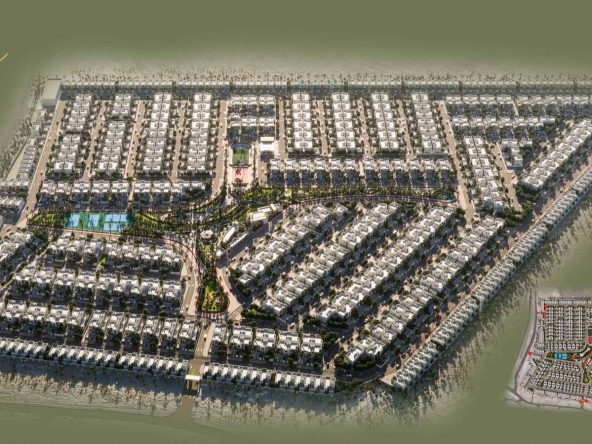
Интегрированный туристический комплекс — это лицензированный, спланированный проект, в котором государство разрешает неоманцам владеть фрихолдом. Это механизм — и единственный массовый, — через который в Омане происходит иностранная собственность.
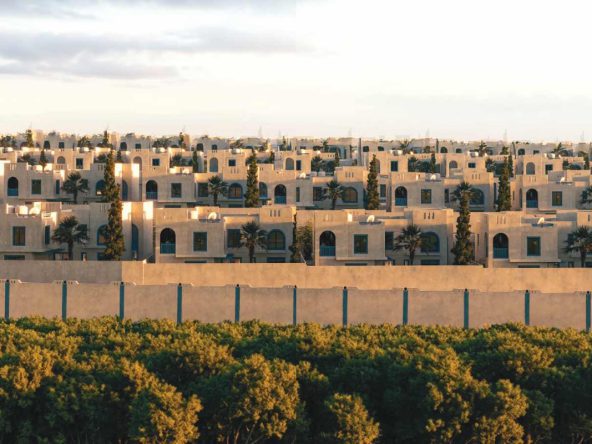
Основа заложена Королевским декретом 12/2006 и расширена Королевским декретом 38/2025, который увеличил число категорий проектов, способных предлагать иностранный фрихолд. Это расширение по-настоящему значимо и объясняет, почему несколько новых схем на этой странице вообще существуют. Telal Al Qurm, например, получил лицензию ITC в июле 2024 года и расположен гораздо ближе к центру Маската, чем старые курортные ITC.
Отсюда два практических следствия, и оба важнее теории.
Первое: статус ITC привязан к участку, а не к бренду. То, что другие проекты застройщика лицензированы как ITC, не говорит ничего о том, который перед вами. Запросите лицензию именно на этот проект и подтвердите её до любого платежа.
Второе: не каждый оманский проект открыт для вас. Оман также строит значительный объём жилья для граждан страны — схемы под брендом Surooh наиболее яркий пример, — и это другой продукт по другим правилам. Два проекта в нашем портфеле относятся к этой категории: Nismat Zain в Суре и Husn Al Zain в Бидбиде. Мы указываем их, потому что они реальны и хорошо построены, и прямо говорим: иностранному покупателю следует подтвердить право на покупку, прежде чем считать её возможной. Подробности в материалах покупка недвижимости в Омане иностранцем, фрихолд в Омане и сравнение ITC Омана.
Все 43 проекта по городам
Именно эта таблица показывает, чем оманский рынок является на самом деле: не одним рынком, а столицей, муссонным побережьем, новым плановым городом и россыпью региональных проектов.
| Город / зона | Проектов | Диапазон цен | Характер |
|---|---|---|---|
| Салала | 6 | $128 700 – $1 950 000 | Побережье Дофара; сезон муссона хариф |
| Маскат | 6 | $106 900 – $200 100 | Столица; ближе всего к городской жизни |
| Город Султана Хайтама | 6 | $82 160 – $499 100 | Новый плановый город к западу от Маската |
| Джебель Сифах | 5 | $130 040 – $1 300 000 | Марина, гольф и пляжный курорт |
| Маскат Бей | 4 | $234 100 – $479 200 | Эффектная бухта, 15 минут от города |
| Аль Мудж | 4 | $221 000 – $842 400 | Флагманский ITC Омана; самый глубокий вторичный рынок |
| Йити | 3 | $182 000 – $416 000 | Sustainable City и AIDA на скалах |
| Маскат Хиллз | 3 | $163 600 – $194 100 | Гольф-комьюнити внутри столицы |
| Шатти Эль-Курум | 1 | $447 416 | Брендированные резиденции на городском пляже |
| Ас-Сиб | 1 | $165 800 | Крупный новый прибрежный мастерплан |
| Бидбид | 1 | $123 500 | Внутренние районы; схема Surooh — уточняйте право покупки |
| Сур | 1 | $104 000 | Восточное побережье; схема Surooh — уточняйте право покупки |
| Сохар | 1 | $95 000 | Северный промышленный и портовый город |
| Дукм | 1 | $76 700 | Особая экономическая зона на Аравийском море |
Обратите внимание на концентрацию: 27 из 43 проектов находятся в Маскате или непосредственно вокруг него — сама столица, Город Султана Хайтама, Маскат Бей, Аль Мудж, Маскат Хиллз, Шатти Эль-Курум, Ас-Сиб и Йити. Для иностранного покупателя Оман — это в основном рынок Маската с существенным вторым актом в Салале и горсткой региональных исключений.
Ценовая лестница
| Проект | Где | От (USD) |
|---|---|---|
| Maysan | Дукм | $76 700 |
| Sarooj Oasis Apartments | Город Султана Хайтама | $82 160 |
| Uptown Muscat | Knowledge Oasis, Маскат | $106 900 |
| Solaris | Джебель Сифах | $130 040 |
| Mira Ocean Estates | Хавана Салала | $149 738 |
| Golf Hills | Маскат Хиллз | $163 600 |
| Yamal | Ас-Сиб | $165 800 |
| Olive Farms | Джебель Сифах | $195 100 |
| Telal Al Qurm | Маскат | $200 100 |
| Amazi | Хавана Салала | $202 862 |
| Azura Beach Residences | Аль Мудж | $221 000 |
| Lubana Island | Хавана Салала | $258 800 |
| Luma Residence | Маскат Бей | $300 500 |
| Al Mina | Маскат Бей | $479 200 |
| Raya | Джебель Сифах | $492 100 |
| St. Regis Residences | Аль Мудж | $842 400 |
Выше этого — земельные участки в Джебель Сифахе и Салале, за $1,3 млн и $1,95 млн соответственно: снова другое предложение, для тех, кто намерен строить.
Полезное сравнение — внешнее. Цена входа в Омане примерно на 30% ниже, чем в ОАЭ: $76 700 против $110 000 в нашем портфеле по Дубаю. Этот разрыв и есть суть оманского аргумента, и он разобран полностью в материале Оман против Дубая.
Два маршрута резидентства и какой вам действительно нужен
| Золотое резидентство | Виза владельца (ROP 87/2026) | |
|---|---|---|
| Минимальная стоимость объекта | 200 000 OMR (~$520 160) | Нет |
| Срок | 10 лет, продлевается | 6–12 месяцев, продлевается |
| Семья включена | Да | Уточняйте при подаче |
| Ведёт к гражданству | Нет | Нет |
Применительно к портфелю выше это конкретно: лишь несколько проектов достигают порога Золотого резидентства в 200 000 OMR по цене входа — St. Regis, Raya, Al Mina и земельные участки. Всё остальное подходит под визу владельца, у которой нижней границы стоимости нет вовсе.
Это делает Оман необычным. У большинства резидентских программ Залива есть жёсткий финансовый барьер; у оманской визы владельца его нет. Если ваша цель — просто законное право находиться в стране как собственник недвижимости, Оман требует от вас меньше, чем любая другая страна региона. Если цель — десятилетнее разрешение, смотреть нужно на объекты крупнее. Оба маршрута сравниваются в материалах Золотое резидентство против визы владельца и Золотая виза Омана; более широкая картина — на странице инвестиции и иммиграция в Оман.
Ни один маршрут не заканчивается паспортом. В Омане нет программы гражданства за инвестиции, и тот, кто предлагает оманский паспорт за деньги, описывает несуществующее.
Расходы — и те 5%, которые пропускают почти все
| Статья | Новостройка | Вторичка |
|---|---|---|
| Сбор Министерства жилищного строительства | 3% | 3% |
| НДС | 5% при первой продаже | Не облагается |
| Агентство и регистрация | Переменно | Переменно |
| Итого на приобретение | ~8% | ~3% |
Это самая ценная строка на странице. Покупка вторичного жилья в Омане обходится примерно в 3% расходов на приобретение; покупка эквивалентной новостройки — примерно в 8%, потому что НДС применяется только к первой продаже. На покупке в $300 000 это разница в $15 000 — больше годовой чистой аренды в большинстве этих схем, — и её регулярно упускают из виду те, кто смотрит на заголовочную цену. Подробности в материале налог на недвижимость в Омане. Если берёте кредит — ипотека для иностранцев; по наследованию — наследование для иностранных владельцев.
Доходность и её потолок
Валовая доходность внутри ITC обычно составляет 5–8%. Это достойно и ниже, чем в Дубае, — по структурной, а не рыночной причине, как сказано в начале: самые доходные оманские районы закрыты для иностранной собственности, поэтому сравнение никогда не бывает равным.
Сервисные сборы в ITC, которые мы покрываем, обычно составляют от 3 до 5,5 OMR за квадратный метр в год, с объектами у воды и марины по верхней границе. Это заметно предсказуемее, чем разброс между зданиями в Дубае, и это одно из более тихих преимуществ оманского рынка. Всё равно запрашивайте цифру по конкретному зданию. Полный разбор — в материалах доходность аренды в Омане и сервисные сборы в Омане.
Со стороны спроса: пул арендаторов меньше дубайского и иначе устроен — экспаты-профессионалы в Маскате и туризм почти везде ещё. Салала — исключение, которое стоит понять: муссон хариф делает Дофар зелёным примерно с июня по сентябрь и привлекает более миллиона гостей в год, что делает его единственным местом в Заливе, где лето — высокий сезон. Он же концентрирует спрос примерно в четверти года. Сравнение — в материале Маскат против Салалы.
Строящееся или готовое?
Значительная часть оманского портфеля продаётся до завершения, по планам рассрочки, привязанным к этапам строительства. Компромиссы здесь не те же, что в Дубае, и разницу стоит понять до выбора.
| Строящееся | Готовое | |
|---|---|---|
| Цена входа | Ниже | Выше |
| Оплата | Поэтапно по прогрессу стройки | Полностью при переоформлении |
| НДС | 5% применяется — это первая продажа | Не облагается при покупке у прежнего владельца |
| Доход начинается | После передачи | Сразу |
| Главный риск | Сроки сдачи и качество отделки | Вы наследуете состояние дома |
| Резидентство | Обычно привязано к зарегистрированному титулу, то есть следует за завершением | Доступно при переоформлении |
Два оманских момента заслуживают акцента, потому что они работают иначе, чем принято в Заливе.
Позиция по НДС тихо благоприятствует готовой вторичке. Любая покупка на этапе строительства — первая продажа и несёт 5% НДС; перепродажа от прежнего владельца — нет. Вместе с 3% сбором это разница между примерно 8% и примерно 3% расходов на приобретение. Строящееся обычно предлагает более низкую заголовочную цену и рассрочку — но проверьте, превышает ли скидка те 5%, которые вы добавляете: часто она превышает их не настолько, как кажется.
Резидентство, как правило, следует за зарегистрированным титулом, а не за договором. Если вы покупаете ради Золотого резидентства или визы владельца, покупка на этапе строительства означает ожидание передачи и регистрации до подачи заявления. Покупатели со сроками регулярно упускают это и удивляются задержке, измеряемой годами, а не месяцами. Если резидентство критично по времени, готовый объект — более надёжный инструмент.
Рынок застройщиков в Омане также меньше, чем в ОАЭ, и это работает в обе стороны: меньше спекулятивных игроков, но и меньше застройщиков с длинной историей сдачи, которую можно проверить. Спрашивайте, что застройщик реально завершил и передал именно в Омане, а не что группа построила в других странах региона.
Куда движется рынок
Три вещи стоит отслеживать, и они на очень разных стадиях определённости.
Город Султана Хайтама строится к западу от Маската и является крупнейшим единичным пополнением жилого фонда столицы за поколение. Шесть из наших 43 проектов там, в диапазоне от $82 160 до $499 100 — самый широкий ценовой коридор среди всех локаций портфеля. Подробности в нашем гиде инвестора.
Сама система ITC расширяется. Королевский декрет 38/2025 увеличил круг того, что может квалифицироваться, а лицензии вроде полученной Telal Al Qurm в июле 2024 года приближают доступный иностранцам фонд к центру Маската ближе, чем позволяла курортная модель. Это самая значимая тенденция для покупателей, потому что она медленно размывает то самое ограничение, вокруг которого построена вся эта страница.
Метро Маската изучено, но не профинансировано. Мы относимся к нему как к неоценённой опции, а не как к причине покупать — честная позиция, изложенная в материале метро Маската и стоимость недвижимости.
Более широкая рамка — Оман 2040, стратегия диверсификации, движущая либерализацию туризма и недвижимости. Наше прочтение рынка — в обзоре рынка Омана, а контраргумент, который мы предпочли бы, чтобы вы прочитали, — в материале риски рынка Омана.
Оман или ОАЭ?
| Оман | ОАЭ | |
|---|---|---|
| Цена входа | $76 700 | $110 000 |
| Проектов в нашем портфеле | 43 | 69 |
| Где могут владеть иностранцы | Только ITC | Отведённые зоны, обширные в Дубае |
| Порог резидентства | Отсутствует, по визе владельца | Минимальная ступень 750 000 AED |
| Ликвидность вторички | Тонкая | Самая высокая в Заливе |
| Расходы на покупку вторички | ~3% | ~7–8% |
| Налоги на аренду, прирост, имущество | Нет | Нет |
| Валюта | Привязана к доллару | Привязана к доллару |
| Гражданство | Нет | Нет |
Ни один не лучше в абстракции. В Оман дешевле войти, заметно дешевле покупать вторичку, и он ничего не требует от вас финансово ради базового резидентства; ОАЭ дают больше выбора и рынок, из которого действительно можно быстро выйти. Налоги и валюта идентичны — поэтому любое сравнение, начинающееся с них, не сообщает вам ничего.
Жизнь в Омане и кому он действительно подходит
Значительная доля покупателей в Омане — не чистые инвесторы. Они собираются проводить в стране реальное время, а Оман по-настоящему отличается от соседей так, как таблица доходности передать не может.
| Оман | |
|---|---|
| Ритм и плотность | Малоэтажно, тихо, неспешно; высотность ограничена |
| Ландшафт | Горы, выходящие к морю, вади, пустые пляжи — не искусственная береговая линия |
| Безопасность | Стабильно среди самых безопасных стран региона |
| Стоимость жизни | Заметно ниже, чем в ОАЭ |
| Школы и медицина | Хорошо и улучшается; выбор меньше, чем в Дубае |
| Авиасообщение | Маскат силён регионально, значительно слабее глобально |
| Вождение | Лёгкое, и страну действительно стоит объехать за рулём |
| Лето | Тяжёлое в Маскате; зелёное и мягкое в Салале во время харифа |
Честное резюме: Оман меняет выбор на характер. Вы отказываетесь от плотности международных школ, глобальной авиасети и самой опциональности Дубая. Взамен получаете страну, которая сознательно не застроила себя высотками, где сорок минут за рулём от столицы выводят к по-настоящему пустому побережью и где повседневная жизнь ощутимо дешевле.
Этот обмен особенно хорошо подходит трём группам. Пенсионерам и полупенсионерам, для которых стоимость жизни и спокойствие важнее карьерной инфраструктуры. Удалённым работникам и владельцам вторых домов, которым нужна база в Заливе без его интенсивности и для которых отсутствие финансового порога у визы владельца решает дело. И покупателям, уже вложившимся в ОАЭ, которым нужна региональная диверсификация без новой валютной или налоговой сложности: обе страны привязаны к доллару и ни одна не облагает арендный доход, поэтому оманский второй объект добавляет реальную диверсификацию почти без структурных издержек.
И заметно хуже подходит одной группе: тем, кому нужна возможность быстро продать. Вторичный рынок Омана тонкий, и именно это ограничение вероятнее всего окажется значимым, если обстоятельства изменятся. Если приоритет — ликвидность, а не стоимость, честная рекомендация — Дубай, и мы её дадим.
Риски, прямо
- Граница ITC ограничивает и выбор, и доходность. Самые доходные оманские районы вам недоступны.
- Вторичный рынок тонкий. Продажа занимает больше времени и сильнее зависит от поиска конкретного покупателя именно на эту схему.
- Не каждый проект доступен иностранцам. Жильё для граждан типа Surooh — другой продукт; уточняйте до сделки.
- Гражданства нет ни при какой стоимости. Только резидентство, по обоим маршрутам.
- Спрос в Салале сезонный, сконцентрированный в месяцы харифа.
- Строящееся несёт риск сдачи, а рынок застройщиков Омана меньше, чем в ОАЭ.
- Привязка к доллару защищает вашу валюту, а не вашу оценку.
Семь проверок до покупки в Омане
- Получите лицензию ITC именно на этот участок, а не на другие схемы застройщика.
- Подтвердите, что проект вообще открыт для иностранных покупателей — особенно за пределами устоявшихся курортных ITC.
- Установите, первая это продажа или вторичная. От этого зависит, применяется ли 5% НДС.
- Получите сервисный сбор в OMR за кв. м в год, по этому зданию, письменно.
- Спросите, сколько сопоставимых юнитов в этой схеме перепродали за прошлый год и по какой цене. Именно эта цифра показывает реальную ликвидность.
- Решите, какой маршрут резидентства вам нужен, до выбора объекта: у визы владельца порога нет, Золотое резидентство требует 200 000 OMR.
- Считайте одиннадцать месяцев аренды, а не двенадцать — а в Салале считайте сезон честно.
Частые вопросы
Могут ли иностранцы покупать недвижимость в Омане?
Да, с одним существенным условием: покупка фрихолда неоманцами ограничена интегрированными туристическими комплексами, лицензированными по Королевскому декрету 12/2006 и расширенными декретом 38/2025. За пределами ITC иностранный фрихолд, как правило, недоступен.
Какой у вас самый дешёвый объект в Омане?
Maysan в Дукме, от $76 700, затем Sarooj Oasis Apartments в Городе Султана Хайтама за $82 160 и Plumeria в Сохаре за $95 000.
Даёт ли покупка недвижимости в Омане резидентство?
Да. У визы владельца по решению ROP 87/2026 нет минимальной стоимости объекта, поэтому её может обеспечить любая покупка. Десятилетнее Золотое резидентство требует 200 000 OMR, около $520 160. Ни то ни другое не ведёт к гражданству.
Есть ли в Омане налог на недвижимость?
Нет ежегодного налога на недвижимость, нет налога на прирост капитала при перепродаже и нет подоходного налога с аренды для физических лиц. Есть 3% сбор Министерства жилищного строительства и 5% НДС только на новостройки первой продажи.
На какую доходность рассчитывать?
Обычно 5–8% валовой внутри ITC. Ниже, чем в Дубае, в основном потому, что иностранные покупатели исключены из самых доходных жилых районов Омана, а не потому, что рынок слабее.
Что дешевле в Омане — новостройка или вторичка?
Вторичка, решительно. Расходы на приобретение составляют около 3% на вторичке против около 8% на новостройке, потому что НДС применяется только к первой продаже.
Оман дешевле Дубая?
На входе да: $76 700 против $110 000 в наших портфелях, разрыв примерно 30%. Взамен Дубай даёт гораздо больший выбор и намного лучшую ликвидность. См. Оман против Дубая.
Где покупать в Омане?
Ради ликвидности и готовой инфраструктуры — Аль Мудж. Ради марины и гольфа по более низкой цене входа — Джебель Сифах. Ради близости к городу — Маскат и Маскат Хиллз. Ради самого широкого диапазона цен — Город Султана Хайтама. Ради сезонного туристического дохода — Салала. Глубже — в наших гидах лучшие районы Маската и Маскат как направление инвестиций.
Связанные подборки на сайте
По месту: Аль Мудж, Джебель Сифах, Хавана Салала, Город Султана Хайтама, Сохар, Дукм, Йити, Мусандам. По типу: виллы, квартиры, таунхаусы, дома у пляжа, брендированные резиденции. По характеристике: доступ к марине, собственный пляж, доступ к полю для гольфа.
Вывод
Оман — рынок фрихолда с лучшим соотношением цены и качества в Заливе для покупателя, который понимает ограничение ITC и покупает соответственно. Вход от $76 700, расходы на приобретение вторички около 3%, отсутствие налогов на аренду и прирост, привязанная к доллару валюта, предсказуемые сервисные сборы и маршрут резидентства вообще без финансового порога — это по-настоящему сильная комбинация, и ничто в ней не зависит от истории роста, которая может и не случиться.
Чем он не является — так это самым доходным рынком Залива, и он не ликвиден. Вы покупаете актив курортного рынка в стране, ограничивающей, где вам можно владеть, и должны ожидать, что продажа займёт время. Покупайте ради стоимости, качества жизни и низких текущих расходов — а не потому, что таблица доходности пообещала вам то, чего правила не позволят получить.
UInvest Group представляет 43 проекта в 14 оманских городах и курортах и 69 в ОАЭ. Мы подтвердим статус ITC конкретного участка, скажем, первая это продажа или вторичная и во что это вам обойдётся, дадим реальный сервисный сбор здания и прямо скажем, когда честный ответ — другой город или другая страна.
Запросить бесплатную консультацию по недвижимости в Омане
Дополнительно: Invest Oman — официальная инвестиционная платформа правительства; Министерство наследия и туризма отвечает за лицензирование ITC; Национальный центр статистики и информации публикует данные по жилью и туризму; Центральный банк Омана поддерживает привязку к доллару.
