



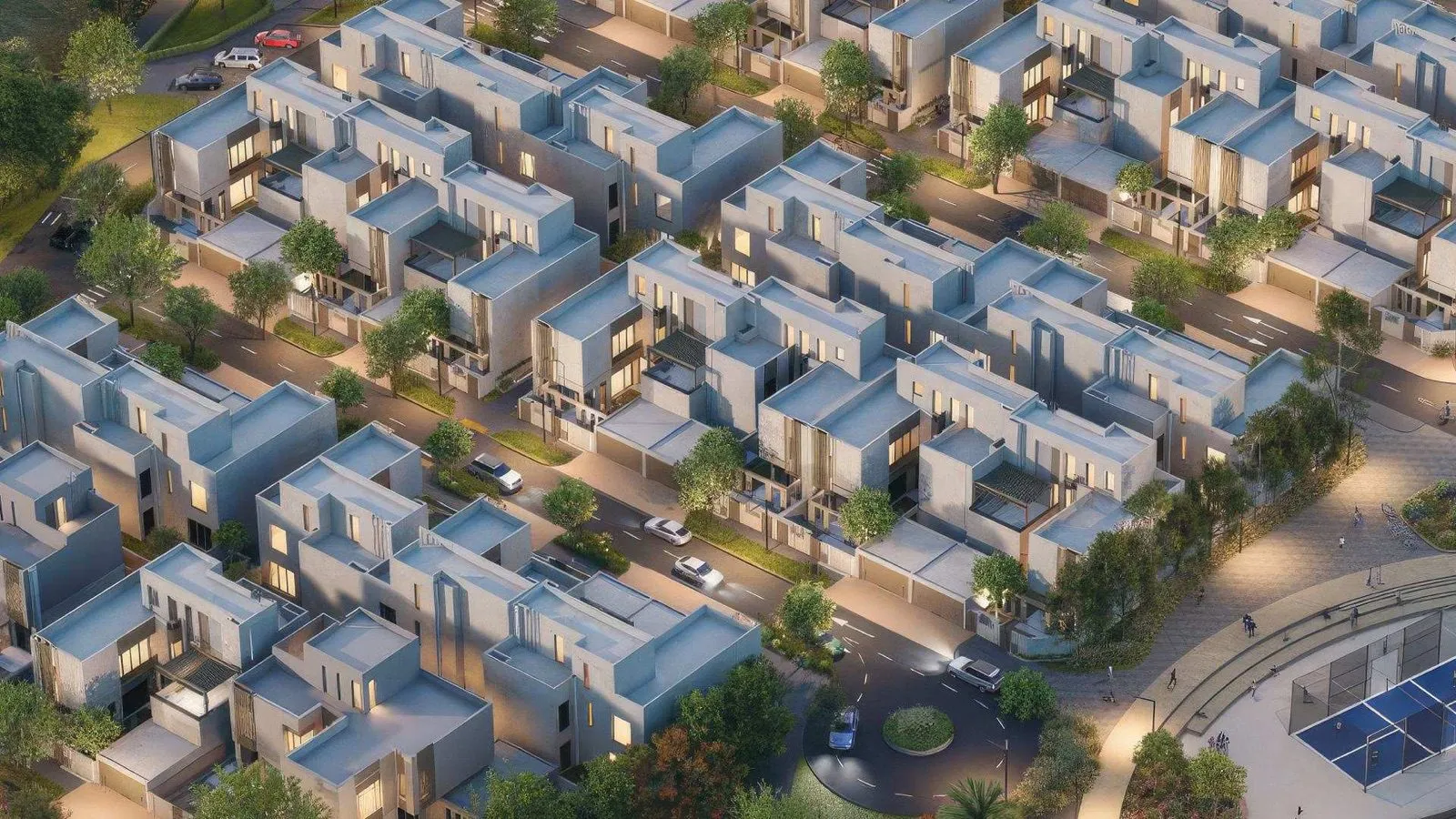
Browse every house currently for sale
Every one of the houses for sale in Oman that we represent, with live prices and photographs — twenty-one projects across ten districts, from $125,000 to $842,400, all open to buyers of any nationality on freehold title.
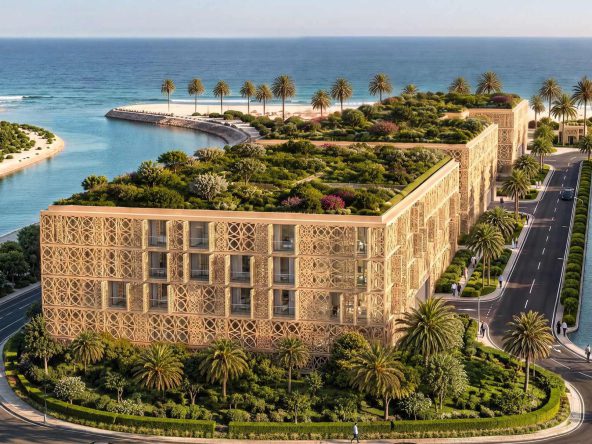
Mira Ocean Estates, Hawana Salalah, Oman
Mira Ocean Estates, Hawana Salalah, Dhofar, Oman Details
Telal Al Qurm, Muscat — Freehold ITC Apartments & Townhouses, Oman
Telal Al Qurm, Muscat, Oman Details
Yamal, Al Seeb — TMG Waterfront ITC Residences in Muscat, Oman
Yamal, Al Seeb, Muscat, Oman Details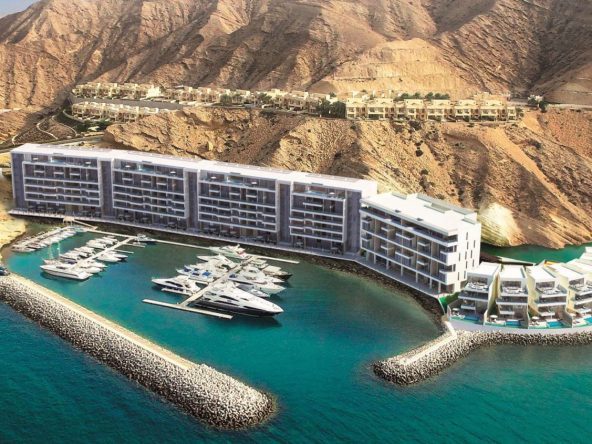
Al Mina, Barr Al Jissah, Muscat, Oman — Marina Residences & Beachfront Villas
Al Mina, Barr Al Jissah, Muscat, Oman Details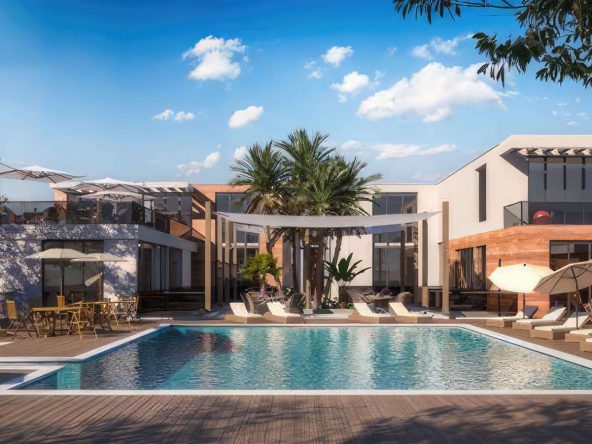
Luma Residence, Bandar Jissah, Muscat Bay, Oman
Luma Residence, Bandar Jissah, Muscat Bay, Muscat, Oman Details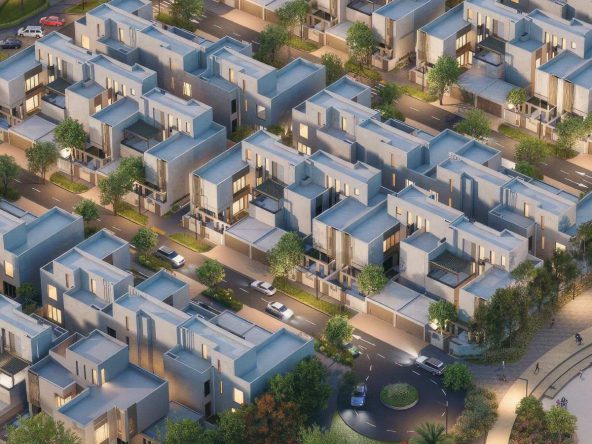
Al Ahlam District, Sultan Haitham City — Freehold Villas in Muscat, Oman
Al Ahlam District, Sultan Haitham City, Muscat, Oman Details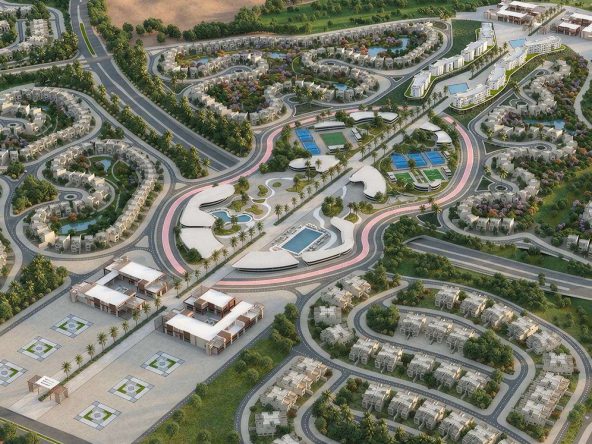
Jood, Sultan Haitham City — Freehold Apartments & Villas in Muscat, Oman
Jood, Sultan Haitham City, Muscat, Oman Details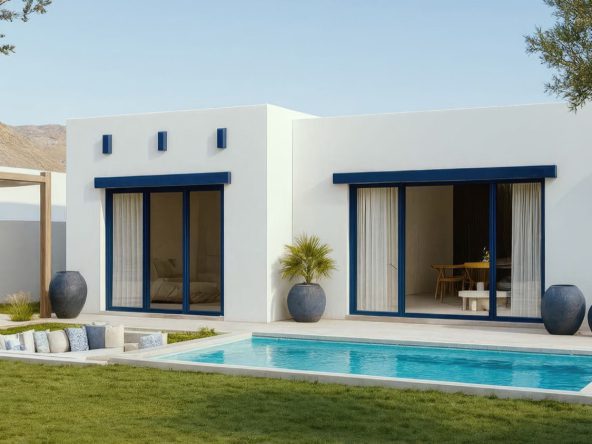
Olive Farms, Jebel Sifah, Oman — 46 Freehold Villas from $195,100
Olive Farms, Jebel Sifah, Muscat, Oman Details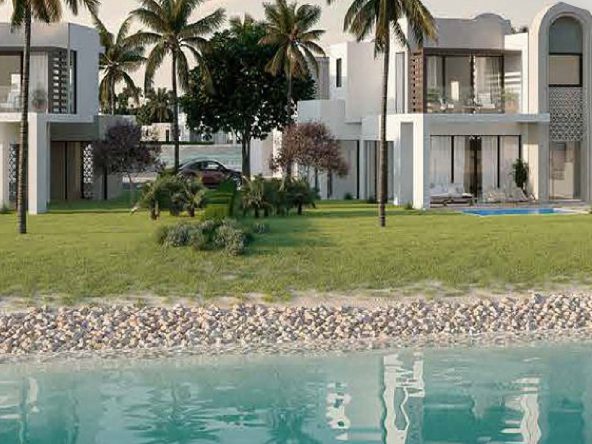
Lubana Island, Amazi — Freehold Waterfront Residences in Hawana Salalah, Oman
Lubana Island, Amazi, Hawana Salalah, Dhofar, Oman Details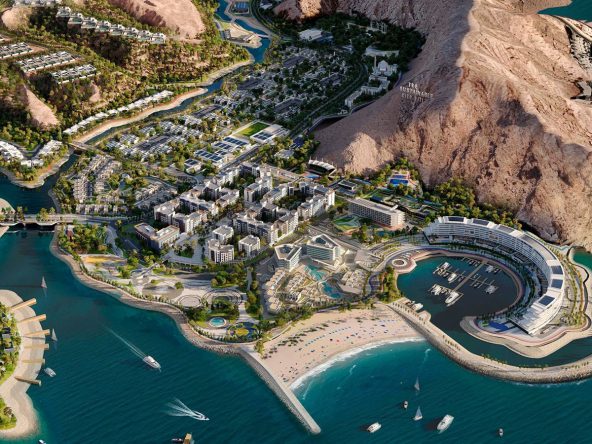
The Sustainable City – Yiti (TSCY) — Net-Zero Freehold Homes in Muscat, Oman
The Sustainable City - Yiti, Bandar Jissah, Muscat, Oman Details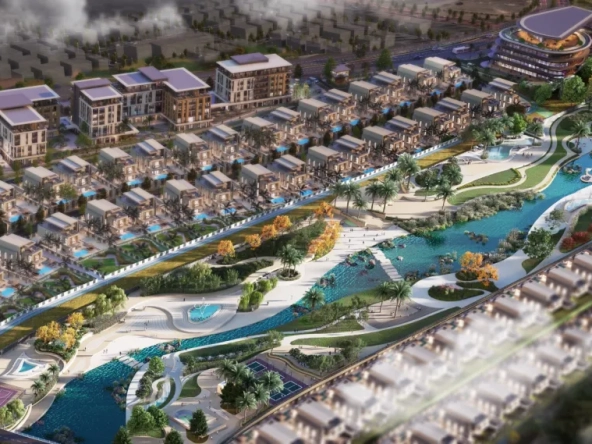
Sarooj Oasis Villas, Sultan Haitham City — Freehold Villas in Oman
Sarooj Oasis, Sultan Haitham City, Muscat, Oman Details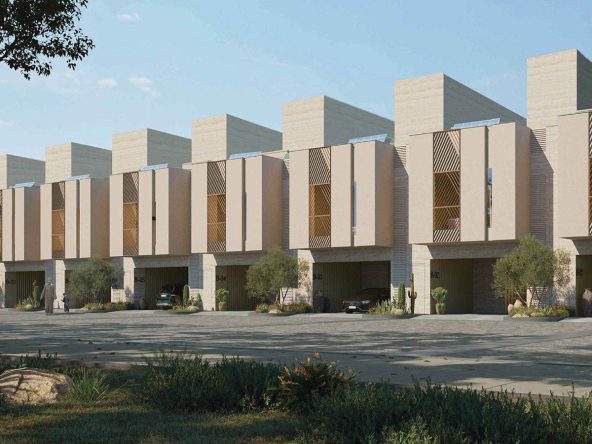
Hay Al Wafa, Sultan Haitham City — Freehold Apartments, Townhouses & Villas in Muscat
Hay Al Wafa, Sultan Haitham City, Muscat, Oman Details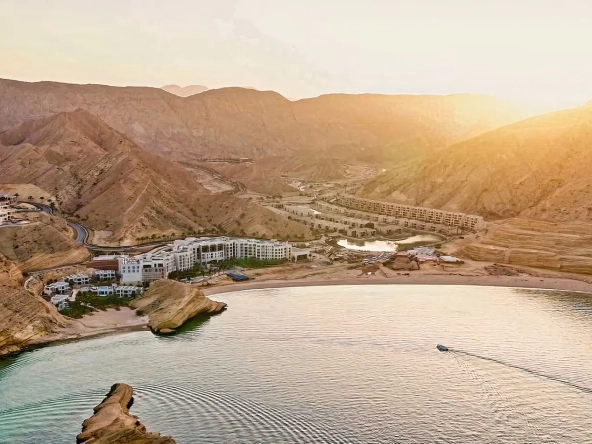
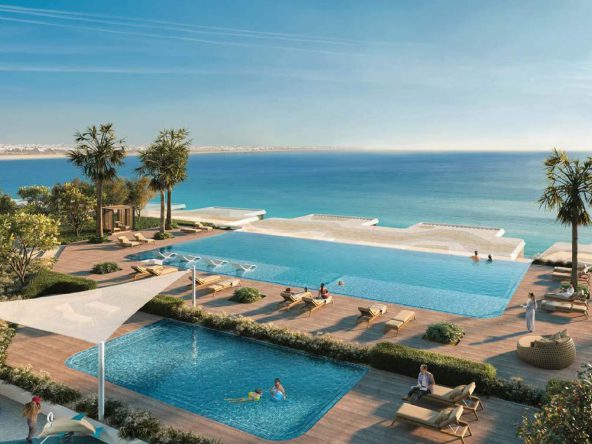
Azura Beach Residences, Al Mouj — Freehold Beachfront Apartments in Muscat, Oman
Al Mouj, Muscat, Oman Details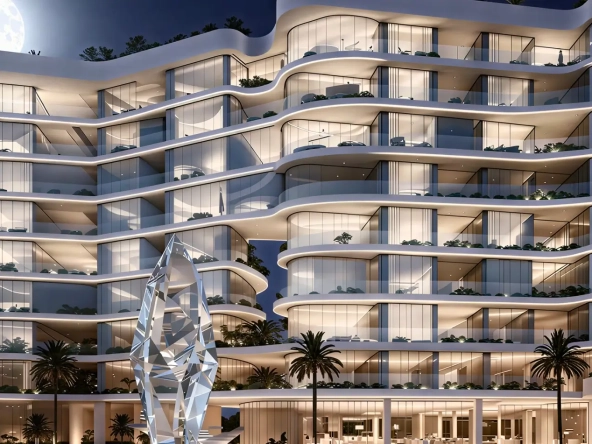
Vistal by Victoria Swarovski, Al Mouj — Branded Freehold Residences in Muscat, Oman
Al Mouj, Muscat, Oman Details
The St. Regis Residences, Al Mouj — Branded Freehold Living in Muscat, Oman
Al Mouj, Muscat, Oman Details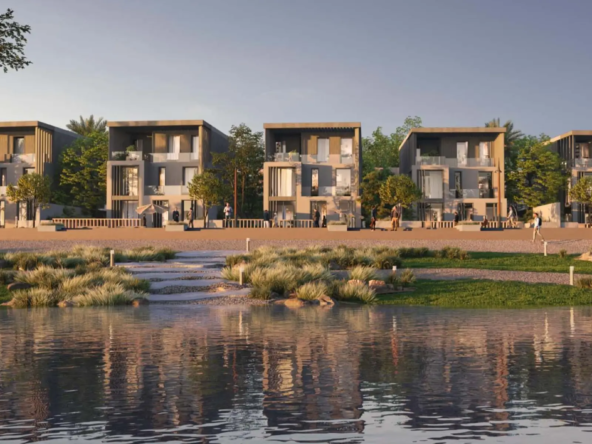
Wadi Zaha, Sultan Haitham City — Freehold Living in Oman’s New Capital District
alseeb oman Details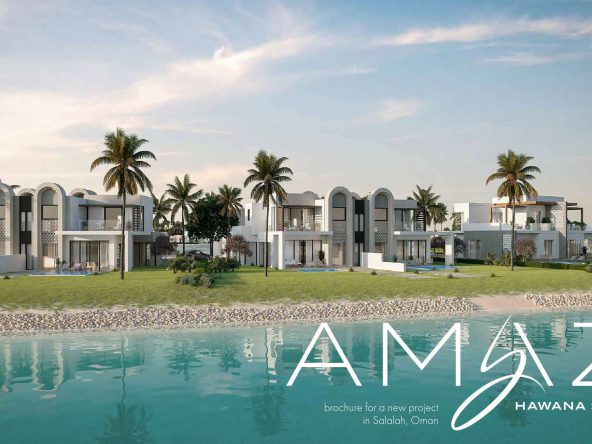
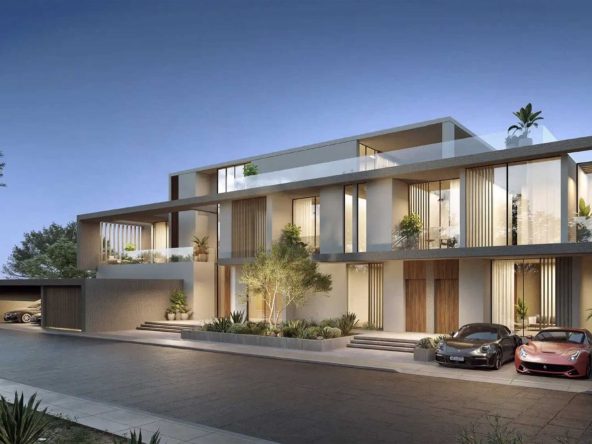
AIDA by DarGlobal, Yiti — Villas & Branded Residences with Trump Golf in Muscat, Oman
AIDA by DarGlobal, Yiti, Muscat, Oman Details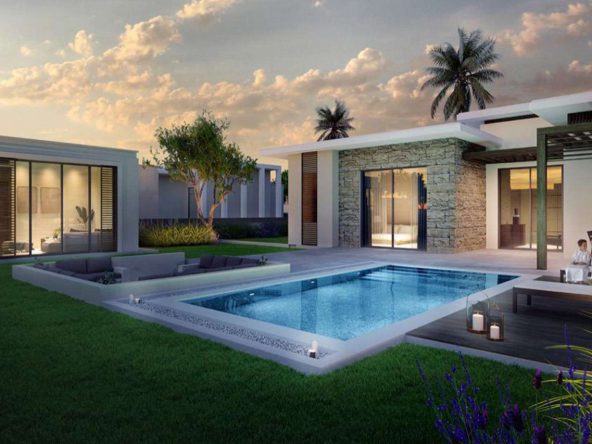
Raya, Jebel Sifah, Oman — Wellness & Majlis Villas with Private Pools
Raya, Jebel Sifah, Muscat, Oman DetailsThe short answer, before anything else
Oman lets foreigners of any nationality own houses outright — full freehold, registered in your own name, inheritable and resellable — inside designated Integrated Tourism Complexes and a growing set of approved districts. There is no annual property tax, no personal income tax on rent, and no restriction on taking your money out.
We list 23 projects in Oman that include a house — a villa, a townhouse or both. Two of them you almost certainly cannot buy. This page sets out all 23, what each costs per square foot, and which is which.
Three numbers frame the whole market. The cheapest house a foreigner can buy on freehold title is $125,000 at Wadi Zaha in Sultan Haitham City. The cheapest house per square foot is about $100, at Hay Al Wafa in the same district — a 1,700 sq ft home for $170,600. And the most expensive is roughly $387 per square foot at Al Mina in Muscat Bay, close to four times the cheapest.
The two you cannot buy are Nismat Zain in Sur at $104,000 and Husn Al Zain in Bidbid at $123,500. They are the two cheapest houses in the country and they are government housing for Omani citizens. If a listing anywhere quotes you a house in Oman below $125,000, check the eligibility before you check anything else.
Houses in Oman at a glance
| Buying a house in Oman | |
|---|---|
| Who can buy | Any nationality, inside an ITC or an approved district — no sponsor, no local company |
| What you get | Full freehold title in your own name, inheritable and resellable |
| Houses we list | 23 projects, of which 21 are open to foreign buyers |
| Entry price | $125,000 (Wadi Zaha, Sultan Haitham City) |
| Top of market | $842,400 (The St. Regis Residences, Al Mouj) |
| Per sq ft range | $100 – $387 |
| Biggest house | 4,216 – 4,464 sq ft villas at Al Ahlam District |
| Ready now | Muscat Bay only — everything else hands over 2026 – 2033 |
| Purchase costs | About 3% transfer fee, plus legal and registration; VAT to confirm per project |
| Annual tax | None — no property tax, no income tax on rent, no capital gains tax |
| Residency | Owner Visa on any valid freehold purchase; Golden Residency needs OMR 200,000 |
Every house, villa and townhouse we sell in Oman
This is the table the rest of the page explains. Prices are the entry point for each project and move with plot, orientation and phase.
| Project | Where | From | Size from | ~ Per sq ft | Handover |
|---|---|---|---|---|---|
| Nismat Zain | Sur | $104,000 | 1,862 sq ft | ~$56 | 2033 |
| Husn Al Zain | Bidbid | $123,500 | 1,862 sq ft | ~$66 | 2027 |
| Wadi Zaha | Sultan Haitham City | $125,000 | 538 sq ft | ~$232 | 2028 |
| The Beachfront, As Sifah | Jebel Sifah | $143,000 | 431 sq ft | ~$332 | 2025 |
| Mira Ocean Estates | Salalah | $149,738 | — | — | 2028 |
| Yamal | Al Seeb | $165,800 | 743 sq ft | ~$223 | 2029 |
| Hay Al Wafa | Sultan Haitham City | $170,600 | 1,700 sq ft | ~$100 | 2027 |
| The Sustainable City – Yiti | Yiti | $182,000 | 531 sq ft | ~$343 | 2027 |
| Olive Farms | Jebel Sifah | $195,100 | 807 sq ft | ~$242 | 2028 |
| Telal Al Qurm | Muscat | $200,100 | 958 sq ft | ~$209 | 2028 |
| Amazi, Hawana | Salalah | $202,862 | 624 sq ft | ~$325 | 2026 |
| Jood | Sultan Haitham City | $204,000 | 1,141 sq ft | ~$179 | 2030 |
| Azura Beach Residences | Al Mouj | $221,000 | — | — | 2026 |
| Muscat Bay | Muscat Bay | $234,100 | 850 sq ft | ~$275 | Complete |
| Lubana Island | Salalah | $258,800 | 721 sq ft | ~$359 | 2029 |
| Luma Residence | Muscat Bay | $300,500 | 1,211 sq ft | ~$248 | 2029 |
| Sarooj Oasis Villas | Sultan Haitham City | $390,000 | 2,307 sq ft | ~$194 | 2028 – 29 |
| AIDA by DarGlobal | Yiti | $416,000 | 1,345 sq ft | ~$309 | 2027 |
| Vistal by Victoria Swarovski | Al Mouj | $439,754 | — | — | 2029 |
| Al Mina, Barr Al Jissah | Muscat Bay | $479,200 | 1,238 sq ft | ~$387 | 2027 |
| Raya | Jebel Sifah | $492,100 | 1,690 sq ft | ~$291 | 2027 |
| Al Ahlam District | Sultan Haitham City | $499,100 | 4,216 sq ft | ~$118 | 2027 |
| The St. Regis Residences | Al Mouj | $842,400 | — | — | 2028 |
Four rows have no per-foot figure because no floor area is published for the entry unit. That is not a small omission — it is the one number that makes any two houses comparable, and its absence is the first thing to ask about. Where a size does exist, we have divided the published entry price by the published entry size; if the two describe different units, the real rate is lower, so treat those figures as a ceiling and confirm against a named plot.
Which houses a foreigner can actually buy
Twenty-one of the twenty-three are open to buyers of any nationality. Two are not, and they happen to be the two cheapest — which is exactly why this section exists.
| Project | Price | Why it is closed |
|---|---|---|
| Nismat Zain, Sur | $104,000 | Ministry of Housing Surooh scheme for Omani citizens; ordinary land, two-storey houses, part sold as bare plots |
| Husn Al Zain, Bidbid | $123,500 | Same programme, same structure — ordinary land in Ad Dakhiliyah, outside the ITC framework |
Oman has two established routes for a non-Omani individual, and a house has to satisfy one of them:
| Route | What it requires |
|---|---|
| ITC freehold | The property sits inside a designated Integrated Tourism Complex or an approved district. This is how all 21 of the buyable houses qualify. |
| Expatriate usufruct | Units in buildings of at least four floors — buyer 23+, two years’ residency, one unit each, 40% cap per building. Villas and townhouses are two storeys, so this route never applies to a house. |
| Bare land | The most restricted category of all for non-Omani individuals. A scheme selling serviced plots is telling you who it is for. |
The practical test takes a minute. Ask what land the house sits on, and whether the sale includes plots. Inside a designated complex, you are fine. On ordinary land, you almost certainly are not — unless that specific parcel has been opened, which does happen: Hay Al Wafa belongs to the same family of government scheme as the two closed projects and is sold freehold to all nationalities. Eligibility attaches to the parcel, never to the programme name, so have an independent Omani lawyer confirm it at the land registry before you pay anything. Our full guide is at buying property in Oman as a foreigner.
The cheapest house you can actually buy
Strip out the two closed schemes and the entry point becomes $125,000 at Wadi Zaha in Sultan Haitham City, on full freehold title with a Q1 2028 handover. Wadi Zaha runs the full range from studios up to three-storey villas, so the house itself costs more than the headline — but it is the lowest door into a house-type product on title you can register.
If value per square foot is the real question, the answer is different and much clearer.
| Rank | House | Per sq ft | What it buys |
|---|---|---|---|
| 1 | Hay Al Wafa apartment-scale homes | ~$100 | 1,700 sq ft from $170,600 |
| 2 | Al Ahlam District villas | ~$118 | 4,216 sq ft from $499,100 |
| 3 | Jood | ~$179 | 1,141 sq ft from $204,000 |
| 4 | Sarooj Oasis Villas | ~$194 | 2,307 sq ft from $390,000 |
| 5 | Telal Al Qurm townhouses | ~$209 | 958 sq ft from $200,100 |
Notice what dominates that list. Four of the five cheapest houses per square foot are in Sultan Haitham City, the new 14.8 km² city being built in Al Seeb. That is not an accident — it is inland, government-anchored and building at volume, which is exactly the combination that produces space per dollar.
The biggest house for the money
If what you want is simply a large family home, the ranking inverts and one project wins outright.
| House | Size from | Price from | Cost per sq ft |
|---|---|---|---|
| Al Ahlam District villa | 4,216 sq ft | $499,100 | ~$118 |
| Hay Al Wafa villa | 4,627 sq ft | $629,400 | ~$136 |
| Sarooj Oasis villa | 2,307 sq ft | $390,000 | ~$194 |
| Jood villa | 2,400 sq ft | $412,400 | ~$172 |
| Raya, Jebel Sifah | 1,690 sq ft | $492,100 | ~$291 |
The comparison worth holding on to is the last row against the first. Raya at Jebel Sifah and Al Ahlam at Sultan Haitham City cost almost exactly the same — about $492,000 and $499,000 — and one is two and a half times the size of the other. The difference is what the extra money is buying: Raya sits inside a marina-and-golf resort forty minutes from Muscat with a beach; Al Ahlam sits in a planned inland city with three parks. Neither is wrong. But if you have half a million dollars and you want floor area, the choice is not close.
Villa, townhouse or apartment — what “house” means here
| Type | What it is in Oman | Typical size | Where to find it |
|---|---|---|---|
| Standalone villa | Detached, own plot and garden, usually two storeys, 3–5 bedrooms plus a maid’s room, 2–4 parking spaces | 2,300 – 4,600 sq ft | Al Ahlam, Hay Al Wafa, Sarooj Oasis, Raya, AIDA |
| Townhouse | Terraced or semi-detached over two to three floors, private back garden, neighbours on one or both sides | 1,700 – 1,900 sq ft | Hay Al Wafa, Telal Al Qurm, Azura Beach, St. Regis |
| Apartment | Covered on our apartments page — the only format the usufruct route reaches | 400 – 2,100 sq ft | Every district |
One quirk of the Omani market is worth knowing before you compare. A townhouse frequently costs more per square foot than a villa in the same scheme. At Hay Al Wafa the townhouse runs about $153 per foot and the villa about $136, despite the villa being nearly three times larger. That is plot efficiency, not quality: the villa spreads land and construction cost across far more floor area. If you are buying on a price-per-foot basis the villa wins; if you want a smaller, cheaper total ticket with a garden, the townhouse is the product.
Ready now, or waiting until 2033
Almost every house in Oman is sold off-plan. Exactly one project in our portfolio is finished.
| Handover | Houses |
|---|---|
| Complete today | Muscat Bay — the only finished house stock we sell |
| 2025 – 2026 | The Beachfront As Sifah, Amazi Hawana, Azura Beach Residences |
| 2027 | Hay Al Wafa, Al Ahlam, Raya, AIDA, Al Mina, The Sustainable City Yiti, Husn Al Zain |
| 2028 | Wadi Zaha, Olive Farms, Telal Al Qurm, Mira Ocean Estates, Sarooj Oasis, St. Regis |
| 2029 | Yamal, Lubana Island, Luma Residence, Vistal |
| 2030 | Jood |
| 2033 | Nismat Zain — and not available to foreign buyers in any case |
The gap between the earliest and latest handover is eight years, and it should change what you pay. A house completing in 2027 starts earning rent or housing your family three years before one completing in 2030 — so a 2030 project has to be cheaper, bigger or better to be worth choosing. Run that comparison explicitly rather than letting a payment plan decide it for you.
What it costs beyond the price
| Item | Typical | Notes |
|---|---|---|
| Transfer fee | 3% of the purchase price | The main one-off cost for foreign buyers |
| VAT | 5% where it applies | Confirm in writing for your specific project — treatment varies |
| Legal and registration | Budget separately | Independent lawyer strongly advised, not the developer’s |
| Service charge | Often not published off-plan | Hay Al Wafa publishes OMR 300–500 a year; Wadi Zaha OMR 5–6 per m² |
| Annual property tax | None | Oman levies none |
| Tax on rental income | None | No personal income tax |
| Capital gains tax | None | On residential resale |
Budget roughly 8% on top of the purchase price as a working figure where VAT applies, and confirm the split. The genuinely unusual thing about Oman is the second half of that table: once you own the house, the recurring cost is close to the service charge alone. That is a materially different holding cost from most of Europe, and it is the strongest single argument for the market. Details are in our property tax in Oman guide.
The line to press on is the service charge. Most off-plan projects do not publish one, which means you are underwriting an unknown recurring cost. Two here do, and Hay Al Wafa’s works out at roughly 0.46% of the purchase price a year — low by Gulf standards, where 1% to 2% is common. Ask for the number, in writing, before you reserve.
Residency: which houses reach the ten-year permit
Two routes exist and they behave very differently. The Owner Visa is sponsor-free, tied to ownership, renewable for as long as you hold the property, covers your spouse and first-degree relatives, and has no minimum purchase value — so any valid freehold house on this page supports it.
The Golden Residency is a ten-year renewable permit requiring OMR 200,000 — about $520,160 — of qualifying property. On published entry prices, exactly one house clears it.
| House | Price | In OMR | Against OMR 200,000 |
|---|---|---|---|
| The St. Regis Residences | $842,400 | OMR 323,900 | Clears comfortably |
| Hay Al Wafa 5-bed villa | $629,400 | OMR 242,004 | Clears |
| Al Ahlam District | $499,100 | OMR 191,903 | Short by OMR 8,097 |
| Raya, Jebel Sifah | $492,100 | OMR 189,211 | Short by OMR 10,789 |
| Vistal | $439,754 | OMR 169,084 | Short by OMR 30,916 |
| AIDA by DarGlobal | $416,000 | OMR 159,951 | Short by OMR 40,049 |
Two rows deserve a second look. Al Ahlam’s entry villa misses the threshold by OMR 8,097 — about $21,000, or 4% of the bar — and Raya misses by OMR 10,789. Both projects sell larger units than their entry size, so a bigger plot at either could well clear it. That is a specific, answerable question to put to the developer, and far more useful than being told to “buy something more expensive”. Compare the two routes in Golden Residency vs Owner Visa.
Where to buy a house, by what you actually want
| If you want… | Look at | From |
|---|---|---|
| The most space per dollar | Sultan Haitham City | $125,000 |
| A beach on your doorstep | Jebel Sifah, Muscat Bay, Salalah | $143,000 |
| A house that is finished | Muscat Bay | $234,100 |
| Golf and a marina | Jebel Sifah, Muscat Hills | $195,100 |
| To be inside the capital | Muscat — Telal Al Qurm townhouses | $200,100 |
| A branded address | Al Mouj — St. Regis, Vistal | $439,754 |
| Sustainability credentials | Yiti — The Sustainable City | $182,000 |
| Year-round rental demand | Muscat and Sohar | — |
Renting out a house in Oman
Houses and apartments do not behave the same way as rentals, and the difference matters more than the yield headline. Villas and townhouses let to families on twelve-month contracts — expatriate professionals with children, who want space, parking and a school run. That is a slower, stickier market than the studio-and-one-bed segment, with lower turnover and lower vacancy, but a smaller pool of tenants.
Where the house is decides everything else. In Muscat and Sultan Haitham City the demand is corporate and year-round. In Muscat Bay and Jebel Sifah it is holiday and second-home, which means seasonality and a management company. In Salalah the khareef monsoon concentrates demand into roughly three months.
Two practical notes. Furnishing a villa is a five-figure cost that rarely appears in a yield calculation — Hay Al Wafa handing over with fitted kitchens is worth real money against that. And service charges on a large villa scale with floor area where they are charged per square metre, so the biggest house is not automatically the best yield. Broader context is in rental yields in Oman.
Mistakes we see buyers make
Comparing headline prices instead of price per square foot. A $499,100 villa at Al Ahlam and a $492,100 villa at Raya cost the same and differ by 2,500 sq ft. The headline hides that completely.
Assuming a cheap house is a bargain. The two cheapest houses in Oman are cheap because foreigners cannot buy them. Price is information — read it before you celebrate it.
Not asking for the floor area. Four of the twenty-three projects on this page do not publish one for the entry unit. Without it, no comparison on this page applies to what you are being sold.
Budgeting for the Golden Residency without doing the arithmetic in rials. Only two houses clear OMR 200,000 on published entry prices, and two more miss by less than OMR 11,000.
Ignoring the handover date. Eight years separates the earliest from the latest. Three years of lost rent is a real cost that no brochure will price for you.
Seven checks before you buy a house in Oman
- Confirm the plot’s designation in writing and have an independent Omani lawyer verify it at the land registry — not the sales office, and not us.
- Get the built-up area of your exact unit, and whether it is gross or net. On a small home the difference is often 15%.
- Ask for the annual service charge. Most off-plan projects have not published one.
- Ask whether the headline is the cash price or the instalment price, and get any markup as a percentage you can compare against a mortgage.
- Confirm the escrow structure named in the sale agreement, and the milestone schedule behind the handover date.
- If residency is the goal, do the sums in rials against OMR 200,000 before you choose a unit.
- Compare the villa against the townhouse in the same scheme on plot and per-foot cost, not on bedroom count.
Frequently asked questions
Can foreigners buy a house in Oman?
Yes. Buyers of any nationality can own a house on full freehold title, registered in their own name, inside a designated Integrated Tourism Complex or an approved district — no Omani sponsor or local company required. Of the 23 house projects we list, 21 are open to foreign buyers. The two that are not are government housing schemes for Omani citizens on ordinary land.
How much does a house cost in Oman?
From $125,000 for the cheapest house on freehold title a foreigner can buy, at Wadi Zaha in Sultan Haitham City, up to $842,400 for a branded townhouse at The St. Regis Residences in Al Mouj. Per square foot the range runs from about $100 to about $387.
What is the cheapest house in Oman?
Nismat Zain in Sur at $104,000 is the cheapest house we list, but it is a Ministry of Housing scheme for Omani citizens and not available to foreign buyers. The cheapest house a foreigner can buy is Wadi Zaha at $125,000, and the best value per square foot is Hay Al Wafa at roughly $100 per foot — a 1,700 sq ft home from $170,600.
Can you get residency by buying a house in Oman?
A valid freehold purchase supports the sponsor-free Owner Visa, which is tied to ownership, renewable, covers immediate family and has no minimum value. The ten-year Golden Residency requires OMR 200,000 (about $520,160) of qualifying property — on published entry prices only The St. Regis Residences and the Hay Al Wafa five-bedroom villa clear it, while Al Ahlam misses by OMR 8,097.
Are there taxes on owning a house in Oman?
There is no annual property tax, no personal income tax on rental income and no capital gains tax on residential resale. The main cost is a one-time transfer fee of about 3% for foreign buyers, plus legal and registration costs, and 5% VAT where it applies. Budget roughly 8% on top of the price and confirm the VAT treatment for your project.
Is it better to buy a villa or a townhouse?
A villa gives you a detached house, a plot and a garden, and usually costs less per square foot. A townhouse gives you a smaller total ticket with a private garden but neighbours on one or both sides — and often a higher per-foot rate. At Hay Al Wafa the townhouse is about $153 per foot against $136 for the villa, despite the villa being almost three times bigger.
Which house in Oman is the biggest for the money?
Al Ahlam District at Sultan Haitham City — 4,216 to 4,464 sq ft villas from $499,100, about $118 per square foot. For almost the same money, Raya at Jebel Sifah gives you 1,690 sq ft in a marina and golf resort. The choice is floor area against setting.
Are any houses in Oman ready to move into?
Only Muscat Bay, from $234,100, which completed in 2024. Everything else on this page is off-plan, handing over between 2026 and 2033.
Where is the best place to buy a house in Oman?
It depends on what you are buying for. Sultan Haitham City gives the most space per dollar and holds four of the five cheapest houses per square foot. Jebel Sifah, Muscat Bay and Salalah give you a beach. Muscat puts you inside the capital. Al Mouj gives you branded, established coastal addresses at the top of the market.
Can I get a mortgage to buy a house in Oman?
Banks in Oman lend to non-resident freehold buyers, typically around 6.00% a year. Several developers also offer instalment plans running from three to seven years, which are sometimes cheaper than a bank loan and sometimes not — ask for the markup as a percentage and compare. See mortgages in Oman for foreigners.
Related pages on this site
By property type: apartments for sale in Oman, townhouses, penthouses, beach houses, cheap houses, land. By city: Muscat, Sultan Haitham City, Muscat Bay, Jebel Sifah, Al Mouj, Muscat Hills, Shatti Al Qurum, Yiti, Al Seeb, Salalah, Sohar, Duqm, Sur, Bidbid. Rules and process: buying as a foreigner, freehold property in Oman, compare the ITCs, property tax, rental yields, market outlook 2026, all Oman property.
The verdict
Buying a house in Oman is more straightforward than most of the Gulf, and the reasons are structural rather than promotional. You get full freehold title in your own name, there is no annual property tax and no tax on rental income, and the residency permit attached to ownership has no minimum purchase value. Very few markets in the region offer all three.
What the market does not give you is a deep choice of finished houses. Exactly one project on this page is complete, and the rest hand over between 2026 and 2033 — so buying a house here almost always means buying a plan, an escrow account and a delivery date. That is the central risk, and it is priced into everything you see.
Where the value sits is unambiguous. Four of the five cheapest houses per square foot are in Sultan Haitham City, and the single best space-per-dollar buy in the country is a 4,216 sq ft villa at Al Ahlam for $499,100 — around $118 a foot, less than a third of what a house costs on the water at Muscat Bay. If floor area is what you are buying, that comparison should decide it.
Two closing instructions. Compare per square foot, never by headline price — the two most expensive-looking villas on this page differ in size by a factor of two and a half at the same money. And check eligibility before anything else: the two cheapest houses in Oman are cheap because they are not for sale to you, and no payment plan or brochure will say so.
Ask us which houses fit your budget — and which title actually holds
Further reading: the Ministry of Housing and Urban Planning registers title; the Ministry of Heritage and Tourism licenses Integrated Tourism Complexes; the Central Bank of Oman publishes lending benchmarks.
